How to create impactful E – learnning videos with animation

Strong training content shapes skill growth, safety habits, and daily work quality. Animated learning media now guides many training plans, and teams expect clarity, pace, and visual order. Viewers value rhythm, tone, and message flow, so every frame must respect consistency in voice and structure. Brands that invest in clear planning see higher watch time, higher recall, and better test scores. Many training leaders search for e-learning video production partners that keep consistency across style, pacing, and delivery.

A clear plan guides script flow, scene length, and graphic tone. Animation adds motion that supports memory and attention, so each cue must respect consistency across transitions and colors. Learners trust material that feels stable and well paced, and this trust builds focus. A steady production model keeps budget control and timeline order. This discipline defines high quality animated e-learning videos with measurable learning value and visible consistency.

Understanding the Role of Animation in Learning

Animation explains steps that static slides fail to show. Motion supports spatial memory and reduces reading load, and this link builds consistency in learner response. Clear icons, arrows, and timed reveals guide attention to one idea per frame. Each sequence follows a pattern that trains the eye and supports consistency across lessons. Teams that master these rules deliver better retention and fewer support calls.

Short visual stories match human memory cycles. A learner tracks a simple path from problem to action to result, and this pattern keeps consistency in message flow. Animated cues replace long text blocks and hold focus for longer sessions. Trainers gain a repeatable method that supports scale and brand voice consistency. This structure explains the rising demand for animated e-learning videos across compliance, onboarding, and sales training.

Setting Clear Learning Objectives

Every project starts with a defined goal and a learner profile. A clear objective guides script length, scene depth, and quiz style, and this planning supports consistency. Teams list three outcomes and map each to a visual action. This map avoids content drift and keeps tone steady across modules. Trainers measure progress with simple tests that reflect the same structure and consistency.

Learning goals shape the animation style and pace. Safety training favors calm motion and stable colors, and this supports emotional consistency. Sales training uses faster cuts and bold charts that still keep brand consistency. A stable rule set helps writers and animators align their work. Many e-learning video production teams follow this method to protect quality and delivery consistency.

Scriptwriting for Animated Learning

A strong script reads like a spoken guide and avoids long clauses. Each sentence carries one idea and keeps rhythm for voice clarity and consistency. Writers choose simple verbs and short phrases that support clear timing. Repeated phrasing across lessons builds memory and reinforces consistency. Review cycles remove filler words and tighten message flow.

Visual notes sit next to each line of script. These notes guide camera moves, icons, and charts with visual consistency. A fixed template speeds reviews and keeps production order steady. This method reduces rework and protects schedule consistency. Professional teams that produce animated e-learning videos rely on this discipline to keep cost and quality in balance with consistency.

Storyboarding and Visual Planning

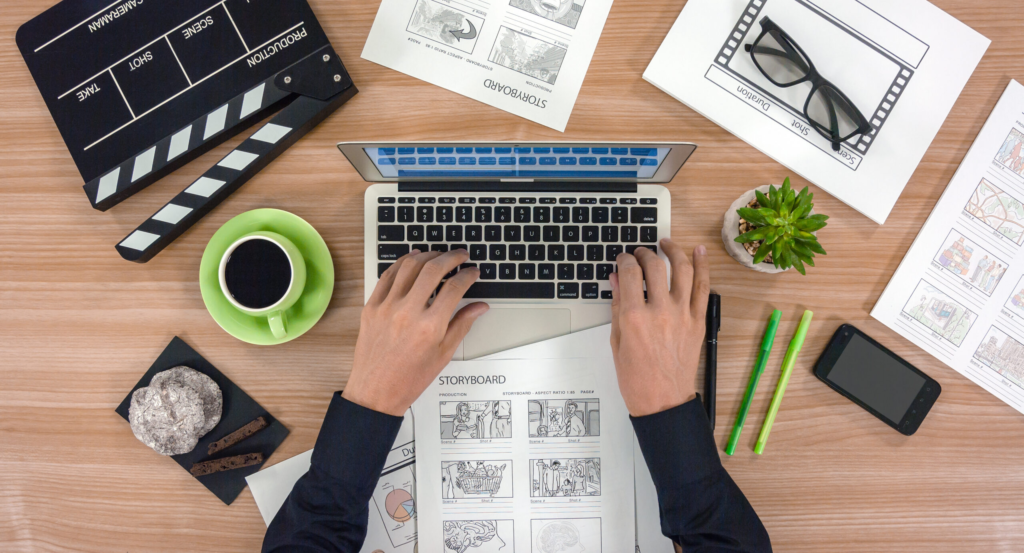
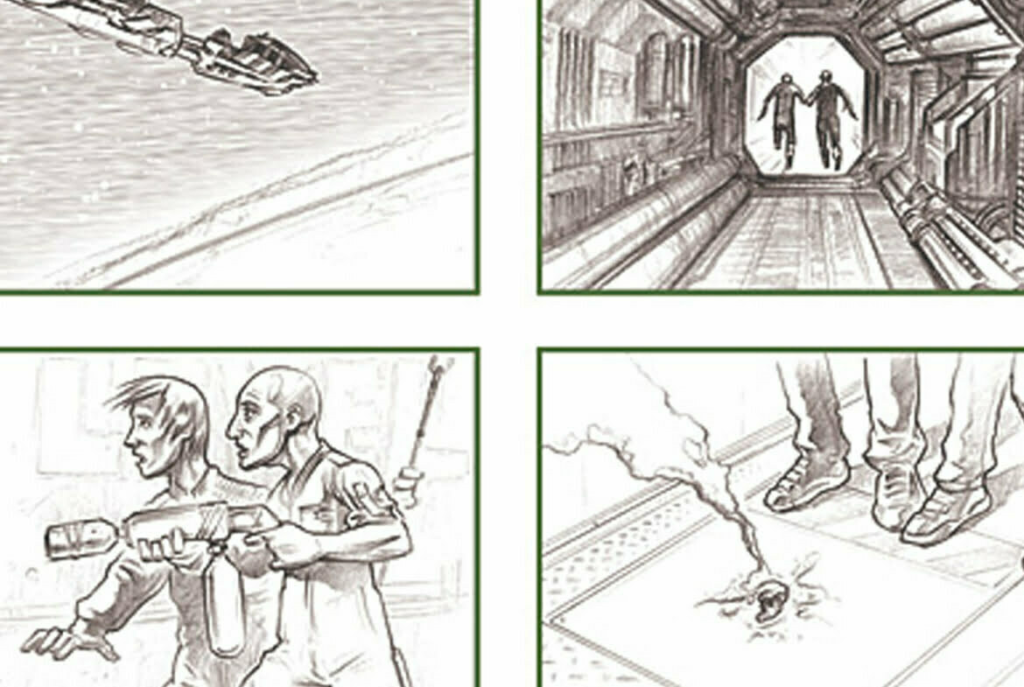
Storyboards convert script lines into frame logic. Each panel shows layout, motion cue, and text block with clear consistency rules. Designers use grid systems and spacing guides to keep balance across screens. This structure lowers visual noise and keeps learner focus steady. A stable storyboard format also supports handoff clarity and team consistency.

Color palettes and icon sets remain fixed across the course. This visual order builds brand memory and learning consistency. Viewers recognize patterns and predict flow, so cognitive load drops. Teams store assets in shared libraries to protect file consistency. Many video production companies in Kolkata follow this system to meet client brand rules with consistency.

Choosing the Right Animation Style

Flat motion suits policy training and data slides. Character animation fits soft skill topics and role play, and this match supports narrative consistency. Whiteboard style works for step training with a calm tempo that keeps visual consistency. The key is a stable style guide that defines stroke weight, motion speed, and text scale. This guide prevents random choices and protects visual consistency.

Style choice affects production speed and cost. A simple motion set reduces render time and keeps schedule consistency. Complex rigs raise review cycles and risk drift in visual consistency. Teams align style choice with timeline and learner need to protect project consistency. Many clients who seek e-learning video production value this clarity in planning and delivery consistency.

Voice, Music, and Sound Design

Voice tone guides learner trust and pacing. A steady voice profile across modules supports auditory consistency. Pronunciation rules and pacing notes guide narrators during recording. Clean audio removes distractions and keeps message clarity consistent. Audio checks run before animation lock to protect workflow consistency.

Music adds mood but must stay light and steady. Repeating a small theme builds brand recall and emotional consistency. Volume rules protect voice clarity and prevent fatigue. Sound effects stay subtle and repeat in the same contexts for behavioral consistency. High quality animated e-learning videos respect these sound rules to maintain learner focus and consistency.

Editing and Post Production Workflow

Editing shapes timing, transitions, and text rhythm. A fixed cut style keeps scene flow steady and supports visual consistency. Editors follow a shared timeline template that locks intro length and outro format. This template speeds delivery and protects brand consistency. Review rounds follow a checklist to catch drift and restore consistency.

Compression and export settings affect clarity across devices. A single preset avoids playback issues and supports technical consistency. File naming rules protect asset tracking and audit clarity. Version logs track changes and keep approval history consistent. Many video production companies in Kolkata use this system to manage volume work with consistency.

Accessibility and Learning Compliance

Captions support hearing access and search indexing. A fixed caption style keeps reading flow steady and protects visual consistency. Font size and contrast meet global standards and reduce eye strain. Transcript files follow a naming rule to protect archive consistency. Accessibility audits run at each release stage to protect compliance consistency.

Screen reader tags and alt text support inclusive learning. Simple phrasing helps clarity and keeps tone consistency. Keyboard navigation tests verify player control order and functional consistency. These steps reduce risk and build trust with learners. Strong e-learning video production teams treat accessibility as a core quality rule tied to consistency.

Measuring Performance and Feedback

Analytics track watch time, drop points, and quiz scores. A standard dashboard keeps reporting format consistent. Teams compare data across cohorts and adjust content flow to restore learning consistency. Short surveys capture learner sentiment in a structured form. Feedback cycles follow a calendar that supports review consistency.

A data log stores change history and test results. This record guides future updates and protects version consistency. Clear metrics support budget planning and content scale control. Teams refine scripts and visuals using these signals to sustain quality consistency. Strong animated e-learning videos evolve through this measured cycle with visible consistency.

Choosing a Production Partner in Kolkata

Local studios support faster coordination, clear review cycles, and direct access to creative teams. Face to face meetings shorten feedback loops and reduce rework, which supports schedule consistency and delivery accuracy. Many organizations search for video production companies in Kolkata that follow strict workflow order, stable staffing, and repeatable quality checks. A studio visit reveals asset handling practice, file security rules, and review discipline, all of which signal long term consistency.

Client references provide proof of delivery habits and revision control standards. A stable portfolio shows repeat color use, steady pacing, and uniform typography, which confirm visual consistency. Contract terms define scope limits, review rounds, and change control that protect budget consistency. Teams that value predictable timelines and steady output focus on these signals to protect learning program stability and operational consistency.

Cputek in E Learning Video Production

  • Structured Production Model: Cputek follows a structured production model that prioritizes planning accuracy, disciplined execution, and repeat quality checks to maintain workflow consistency.
  • Clear Script and Visual Framework: Each project begins with a clear script framework, fixed visual rules, and stable review cycles that protect production consistency from kickoff through final delivery.
  • Predictable Schedules and Brand Alignment: Clients receive predictable schedules, accurate brand alignment, and controlled asset handling that maintain consistency across large training libraries.
  • Internal Style Guides and Asset Libraries: Internal style guides define layout rules, typography use, and motion pacing to protect tone and visual consistency across long programs. Shared asset libraries support reuse of icons, charts, and motion elements, which protects brand consistency and reduces rework cycles.
  • Version Tracking and File Control: Version tracking systems maintain change history, audit clarity, and file control consistency across all stages of production.
  • Unified Operating Standards Across Teams: Designers, editors, and voice teams follow the same operating standards, which reduces revision risk and protects timeline consistency.
  • Clear Communication and Review Discipline: Clear communication practice supports alignment during reviews and prevents scope drift that disrupts delivery consistency.
  • Trusted Partner for Scalable Learning Programs: Organizations that invest in e-learning video production often select Cputek for reliable workflow discipline, stable delivery records, and consistent execution across learning campaigns.

Why E Learning Exists in Modern Training

The details are followed below.

Consistent Training Across Locations

E learning delivers structured training through digital platforms that staff can access at any time. Companies train teams across offices, shifts, and regions, and classroom sessions struggle to keep message consistency. Digital modules deliver the same content, visuals, and pacing to every learner, which protects policy accuracy and operational consistency. Training managers value this control when tracking skill standards and safety habits.

Faster Knowledge Distribution

Digital delivery shortens training rollout time for product updates and rule changes. Teams publish content quickly and reach large groups without travel delays or room limits. Learners complete lessons during work gaps or remote schedules, which improves completion consistency. This access model supports workforce flexibility and predictable training coverage.

Lower Long Term Training Cost

Cost control drives adoption across large organizations. Once a module is built, repeat use requires minimal spending. Travel costs, instructor fees, and printed material drop sharply, which stabilizes training budgets and reporting consistency. Finance teams prefer this model for forecast clarity and predictable annual planning.

Measurable Learning Performance

Performance tracking strengthens accountability across departments. Learning platforms record completion time, test scores, and retry patterns. Managers review this data to confirm knowledge transfer consistency and audit readiness. Classroom programs rarely provide this depth of reporting control.

Visual Learning for Complex Tasks

Visual instruction supports complex work procedures and safety behavior. Motion explains process order, safety steps, and system flow with higher clarity than text alone. This strength explains the growing reliance on animated e-learning videos across manufacturing, healthcare, finance, and logistics sectors. Organizations that invest in structured e-learning video production gain scalable training delivery, measurable performance control, and long term content stability with steady consistency.

Conclusion

Organizations that adopt animated e-learning videos gain long term content value, faster onboarding cycles, and measurable performance tracking with steady consistency. Partner choice shapes success, and firms that evaluate workflow order, asset control, and review discipline reduce delivery risk and protect budget consistency. Teams that work with trusted providers such as Cputek strengthen brand alignment, production stability, and learning reliability through consistent execution and accountable governance.

Frequently Asked Questions

What length works best for animated training videos

Short modules between three and seven minutes hold attention and support memory consistency. This range allows one topic per segment and keeps pacing steady for cognitive consistency. Teams link several short clips into a learning path to protect flow consistency. Learners prefer this format for mobile access and time control with strong consistency.

How often should animated courses receive updates

Annual reviews keep policy and product data current and protect content consistency. High change sectors run quarterly checks to maintain accuracy consistency. A fixed review calendar supports planning clarity and workload consistency. Version tracking logs each change to preserve audit consistency.

Can animation fit technical and compliance topics

Yes, diagrams, callouts, and motion steps explain rules and processes with visual consistency. Complex flows break into short scenes that maintain message consistency. Clear labels and repeat icons reduce confusion and support recall consistency. Many regulated firms adopt animated e-learning videos for this reason and value the stable consistency.

Why Motion Graphics Are Essential for Professional Video Production

Introduction

People lose interest in videos within seconds. Static visuals and plain narration often fail to hold attention. Motion graphics in professional video solve this problem by adding movement, clarity, and visual appeal. 

It breaks down complex ideas, enhances storytelling, and keeps viewers engaged. Whether in marketing, training, or social media, motion graphics make videos more effective, ensuring the message is understood and remembered.

In this blog, you will understand why motion graphics are essential for professional video production.

What Are Motion Graphics?

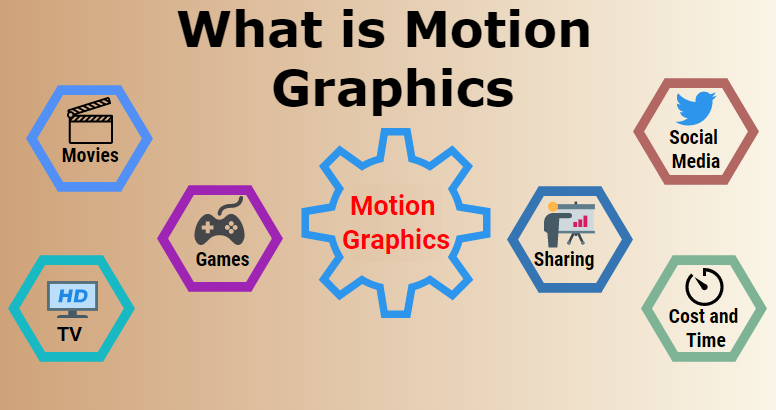
Motion graphics are animated visual elements used to enhance video content. They include moving text, icons, charts, shapes, and illustrations that add depth and clarity to a video. Unlike traditional animation, motion graphics do not focus on character-driven storytelling. Instead, they serve as a visual aid to explain concepts, highlight key messages, and make information more engaging.

These graphics bridge the gap between static visuals and full-motion animation. They appear in various forms, such as kinetic typography (animated text), data visualization (charts and infographics), animated transitions, and interactive elements. Their primary function is to simplify complex ideas, making them easier to understand within a short time.

Key elements of motion graphics include:

  • Typography Animation: Moving text that emphasizes critical points.
  • Infographics and Data Animation: Graphs, charts, and statistics brought to life.
  • Logo Animations: Animated brand elements that add professionalism.
  • Lower Thirds and Titles: Informational text overlays that improve clarity.
  • Seamless Transitions: Smooth movements between scenes for a polished look.

Motion graphics are widely used in corporate videos, advertisements, explainer videos, and social media content. They help capture attention, keep audiences engaged, and deliver messages with impact. In professional video production, they are a powerful tool to enhance storytelling and elevate visual appeal.

Why Motion Graphics Matter in Professional Video Production

Professional video production is about delivering a clear and impactful message. Motion graphics in professional video play a crucial role in enhancing storytelling, simplifying communication, and making content more engaging. Here’s why they are essential:

1. They Enhance Storytelling

Every video has a message to deliver. Motion graphics in professional video add depth to storytelling by visually representing ideas. Whether it’s a corporate presentation, product advertisement, or explainer video, well-crafted graphics help simplify complex concepts and maintain audience interest.

2. They Capture Attention Immediately

People decide within seconds whether to continue watching a video. Motion graphics add movement and visual appeal right from the start. Animated text, dynamic transitions, and engaging visuals keep viewers hooked.

3. They Simplify Complex Information

Some topics are too detailed or abstract for plain narration or live-action footage. Motion graphics clarify ideas through animated charts, infographics, and visual storytelling, making content easier to understand.

4. They Keep Viewers Engaged

A static video can become monotonous. Motion graphics in professional video add variety, keeping content fresh and engaging. Moving elements hold attention, preventing viewers from losing interest.

5. They Strengthen Brand Identity

A brand’s identity should remain consistent across all content. Motion graphics incorporate custom colors, typography, and design elements, reinforcing a recognizable and professional look.

6. They Improve Information Retention

People remember visuals better than plain text. Motion graphics in professional video make key points stand out, increasing recall and ensuring the message is not forgotten.

7. They Add a Professional Touch

Even well-shot footage sometimes needs extra refinement. Motion graphics provide seamless transitions, smooth animations, and polished effects, making videos look high-quality and well-produced.

8. They Make Content More Accessible

Not all viewers watch videos with sound. Motion graphics in professional video ensure messages are delivered effectively, even when audio is turned off. Animated text, subtitles, and visual cues improve accessibility.

9. They Boost Social Media Engagement

Social media is saturated with content. Videos that include motion graphics perform better, receive more shares, and attract more engagement. High-energy visuals help brands stand out in crowded feeds.

10. They Increase Conversion Rates

Marketing videos aim to persuade viewers to take action. Motion graphics in professional video make call-to-action messages clearer and more compelling, increasing the chances of audience response.

Types of Motion Graphics Used in Professional Video Production

Different types of motion graphics in professional video serve specific functions, enhancing communication and engagement. Here are the most impactful ones:

1. Animated Text and Typography

Text animations are a simple yet powerful way to emphasize key points. Moving words highlight important messages, making content more memorable. Motion graphics in professional video often use kinetic typography to introduce speakers, reinforce statements, or create an engaging narrative flow.

2. Infographics and Data Visualization

Numbers and statistics often feel overwhelming. Motion graphics in professional video help present data in a visually appealing way. Animated charts, graphs, and infographics turn raw information into easy-to-understand visuals. Whether showcasing company growth, survey results, or financial insights, motion graphics make data engaging and digestible.

3. Logo Animations

A static logo represents a brand, but an animated logo adds energy and personality. In professional video production, logo animations are used in intros, outros, and branding sequences. Subtle movements, dynamic transitions, and creative effects ensure that a brand’s visual identity remains memorable.

4. Lower Thirds

Lower thirds provide essential information without interrupting the main content. These small text overlays introduce speakers, display locations, or highlight key facts. Motion graphics in professional video use lower thirds to add professionalism while keeping the video uncluttered.

5. Transitions and Effects

Jumping from one scene to another can feel abrupt without smooth transitions. Motion graphics in professional video create seamless movement between segments, keeping content visually polished. Whether using slide-ins, fades, or motion blur, well-designed transitions maintain continuity and flow.

6. Explainer Videos

Explaining a product, service, or concept is easier with animation. Motion graphics in professional video help businesses simplify complex ideas. Explainer videos use a combination of animated text, icons, and storytelling to communicate messages clearly. They are widely used in marketing, education, and corporate training.

7. Call-to-Action Animations

A video should guide viewers toward a specific action, whether subscribing, purchasing, or signing up. Motion graphics enhance call-to-action (CTA) elements, making them visually compelling. Animated buttons, highlighted text, and directional cues help increase engagement and conversion rates.

8. User Interface (UI) and App Demonstrations

Many brands showcase websites, apps, or digital platforms in their videos. Instead of using static screenshots, motion graphics in professional video animate UI elements to demonstrate functionality. This technique helps audiences understand how an application works in a smooth and visually engaging way.

How Motion Graphics Improve Different Types of Professional Videos

Motion graphics in professional video enhance communication, engagement, and clarity across various types of content. Here’s how they add value to different professional videos:

1. Corporate Videos

Businesses rely on corporate videos for presentations, training, and internal communications. Motion graphics in professional video simplify complex topics, making them easier to understand. Animated visuals, graphs, and timelines help employees and stakeholders retain key information.

2. Marketing and Advertising

A marketing video needs to capture interest instantly. Motion graphics in professional video add energy, movement, and emphasis to brand messaging. Animated product highlights, text overlays, and engaging transitions make advertisements more visually appealing. This helps increase audience engagement and recall.

3. Social Media Content

Social media platforms prioritize engaging and dynamic content. Motion graphics in professional video make short-form videos stand out. Animated elements grab attention in crowded feeds, improving viewer retention and interaction rates on platforms like Instagram, TikTok, and LinkedIn.

4. Explainer and Educational Videos

Explaining a concept is more effective with visuals. Motion graphics in professional video break down complicated ideas into simple, digestible parts. Whether for e-learning courses, product tutorials, or industry insights, animated graphics improve comprehension and engagement.

5. Product Demonstrations

Product features are better showcased through motion rather than text alone. Motion graphics in professional video highlight key functions, benefits, and usability with smooth transitions, dynamic overlays, and step-by-step walkthroughs. This makes it easier for customers to see the value of a product.

6. Event and Webinar Promotions

Promotional videos for events, webinars, and conferences benefit from motion graphics in professional video. Animated countdowns, agenda highlights, and speaker introductions add a polished and professional feel. These elements create excitement and encourage participation.

7. Testimonial and Case Study Videos

Customer testimonials and case studies become more compelling with motion graphics in professional video. Animated statistics, infographics, and key takeaways reinforce credibility while keeping the content visually engaging.

8. News and Industry Updates

Businesses and media platforms use motion graphics in professional video to deliver news and updates effectively. Animated headlines, data visualization, and branded visuals ensure that key information is communicated clearly and concisely.

In professional video production, motion graphics go beyond aesthetics—they improve clarity, engagement, and storytelling. By integrating them strategically, businesses and content creators enhance viewer experience across various video formats.

Best Practices for Using Motion Graphics in Professional Videos

Using motion graphics in professional video effectively requires thoughtful execution. Overuse or poor design can reduce clarity instead of enhancing it. Here are key best practices:

1. Keep It Simple

Too many animations create unnecessary distractions. Motion graphics in professional video should serve a purpose- enhancing content, not overpowering it. Subtle movements and clean designs work best.

2. Maintain Brand Consistency

Videos should reflect a brand’s identity. Stick to a uniform color scheme, typography, and animation style. This strengthens recognition and professionalism.

3. Use Smooth Transitions

Abrupt cuts can disrupt the flow of a video. Motion graphics in professional video should provide seamless transitions, keeping the content visually polished.

4. Prioritize Clarity

Animations should clarify information rather than complicate it. Every graphic should support the message, ensuring easy comprehension.

5. Optimize for Different Platforms

Different platforms have unique viewing habits. Motion graphics in professional video should be formatted for mobile, desktop, and social media to maximize reach and engagement.

6. Control Speed and Timing

Animations that move too fast or too slow can confuse viewers. Timing should align with the pacing of the narration or visual sequence.

7. Balance Motion with Static Elements

Not everything needs movement. Static visuals combined with motion graphics provide balance and avoid overwhelming viewers.

8. Test Before Finalizing

Always review and test motion graphics in professional video before publishing. Ensuring smooth playback and clear visuals prevents technical issues.

The Role of Expert Teams in Creating Motion Graphics Videos

Creating high-quality motion graphics in professional video takes more than just software skills. Experience, creativity, and a deep understanding of what works in different industries also is a huge factor. 

Teams of skilled video editors in branding agencies, animation studios, or professional video editing firms bring expertise that ensures a motion graphics video is not just visually appealing but also effective in delivering a clear message. 

  • Understanding Market Trends: Experts know what visuals and animation styles resonate with specific audiences. They create motion graphics that align with current industry trends and viewer preferences.
  • Crafting Seamless Storytelling: Professional teams focus on narrative structure, ensuring that animations flow naturally and engage viewers.
  • Technical Mastery: Skilled animators and video editors use advanced layering, timing, and effects to make motion graphics look smooth and professional.
  • Balancing Creativity and Branding: They maintain a brand’s identity by integrating consistent colors, typography, and animation styles across all content.
  • Optimizing for Different Platforms: Whether it’s for social media, corporate presentations, or TV ads, experts tailor motion graphics to fit different viewing formats.

Popular Motion Graphics Tools and How AI is Changing the Game

When it comes to motion graphics in professional video, tools play a crucial role in bringing ideas to life. Experts swear by specific software and AI-powered solutions that streamline animation, improve efficiency, and enhance creativity. 

With the right tools and a skilled creative team, motion graphics become more than just animations—they turn into powerful visual stories that leave a lasting impression. Here are some of the most widely used tools and how they contribute to storytelling:

1. Adobe After Effects – The Core of Motion Graphics

This is the industry standard for creating motion graphics. It allows editors to animate text, create dynamic visual effects, and add smooth transitions. Professionals use it for everything from simple lower-thirds to high-end cinematic animations.

2. Cinema 4D – Bringing 3D Motion to Life

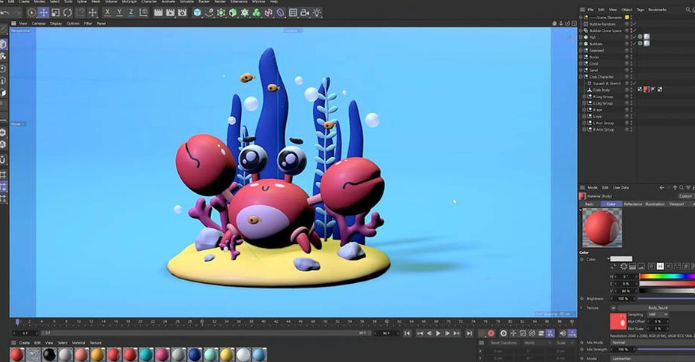
For more advanced motion graphics, Cinema 4D is used to create 3D animations. It helps designers build complex 3D motion sequences, product visualizations, and animated logos that add depth to video content.

3. Blender – The Open-Source Powerhouse

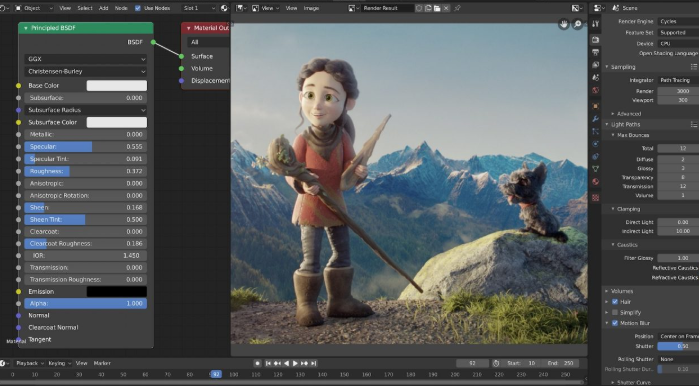
Blender is a free yet powerful tool that many experts use for 3D modeling, animation, and rendering. It’s especially popular for creating animated sequences in explainer videos and motion-heavy storytelling projects.

4. AI-Powered Motion Graphics – The New Frontier

AI is making motion graphics more efficient and accessible. Tools like Runway ML and DeepMotion automate animation processes, helping video editors generate effects with minimal manual effort. AI-powered captioning and voice-syncing tools also improve video accessibility.

5. Vyond – Simplifying Animated Storytelling

This tool is widely used for explainer videos. It allows businesses to create animated stories without needing deep animation knowledge. AI-assisted customization speeds up production while keeping content engaging.

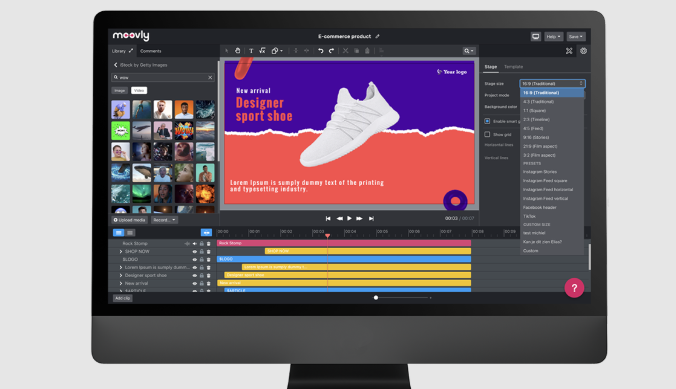
6. Moovly and Animoto – Quick Motion Graphics for Social Media

For brands that need fast, high-quality motion graphics without complex editing, these platforms offer easy drag-and-drop animation tools. AI-driven templates help businesses create professional-looking content in minutes.

FAQs

1. How do motion graphics in professional video improve engagement?

Motion graphics in professional video grab attention instantly by adding movement, color, and dynamic transitions. They make content more visually appealing, preventing viewers from losing interest. By incorporating animated text, infographics, and smooth transitions, motion graphics help keep audiences engaged throughout the video. 

They also reinforce key messages, making information easier to absorb and remember. This is especially useful in marketing, corporate training, and social media content.

2. Are motion graphics necessary for all types of professional videos?

While not every video requires animation, motion graphics in professional video significantly improve clarity and engagement. They are particularly useful for explainer videos, corporate presentations, advertisements, and product demos. 

Motion graphics simplify complex ideas and add a polished, professional look. Even subtle animations, such as lower thirds and smooth transitions, enhance storytelling. The right balance ensures that motion graphics support the content without becoming distracting.

3. What types of motion graphics in professional video are most effective?

Different types of motion graphics in professional video serve different purposes. Animated text highlights key points, making messages more memorable. Infographics and data visualization simplify complex statistics, helping viewers understand key insights. 

Logo animations add brand identity, while lower thirds introduce speakers or locations. Smooth transitions ensure seamless scene changes. Explainer videos and UI animations showcase products in a visually engaging way, making them effective across various industries.

4. How can businesses maintain brand consistency using motion graphics in professional video?

Brand consistency is crucial for recognition. Motion graphics in professional video should follow the same color schemes, typography, and visual styles used across all branding materials. Custom animations, logos, and transitions that align with a company’s identity reinforce professionalism. 

Using templates and style guides ensures uniformity across different videos. Consistent motion graphics help businesses build trust with their audience while making content visually appealing and recognizable.

Conclusion

Motion graphics in professional video do more than just make your content look good, they make it work better also. They help break down complex ideas, keep viewers engaged, and add a polished, professional touch. 

Whether it’s a corporate video, an ad, or a social media post, motion graphics make sure your message sticks with your audience. They grab attention, improve clarity, and strengthen branding. 

The key is using them the right way, keeping it simple, maintaining consistency, and making sure they enhance, not overpower, the content. When done well, motion graphics turn an ordinary video into something truly memorable and impactful.

The Importance of 2D Storyboard Animatics in eLearning Video Production

Introduction

A clear roadmap is essential for professionals in eLearning video production, whether tackling a detailed educational series, a concise animated ad, or a compelling promotional video. Without it, project deadlines, misaligned messaging, and avoidable revisions would stretch. This is where 2D storyboard animatics redefine the pre-production process.  

While traditional storyboards offer a sequence of static images to outline the narrative, they often feel limited in conveying the flow and emotion of a project. Animatics, on the other hand, turn these static visuals into dynamic, timed sequences by adding motion, sound, and transitions. This evolution takes a set of disconnected still frames and turns them into a lively preview of the final product, making it easier for creators and clients to engage with the material and evaluate its effectiveness early on.  

In the eLearning industry, where the goal is to capture and sustain a learner’s attention while delivering clear educational content, this difference is critical. Animatics allow teams to test pacing, refine transitions, and align audio-visual elements with learning objectives in a way that static storyboards simply cannot. This added layer of motion ensures that instructional videos feel cohesive and engaging, paving the way for smoother production and fewer revisions down the line.  

By bridging the gap between concept and execution, 2D storyboard animatics offer an invaluable tool for refining eLearning videos. They empower production teams to make informed decisions, anticipate challenges, and deliver content that meets both educational and creative goals on time and within budget.

What Are 2D Storyboard Animatics?

2D storyboard animatics are a sequence of detailed sketches or frames arranged to simulate the motion, timing, and structure of the final animation. By integrating visuals and sound, animatics offer a near-complete preview of the eLearning video before full production begins.

These animatics serve as a creative blueprint, allowing creators to:

  • Map out visual storytelling effectively.
  • Establish the pacing, timing, and seamless scene transitions.
  • Highlight and emphasize key learning objectives through carefully planned visual elements.
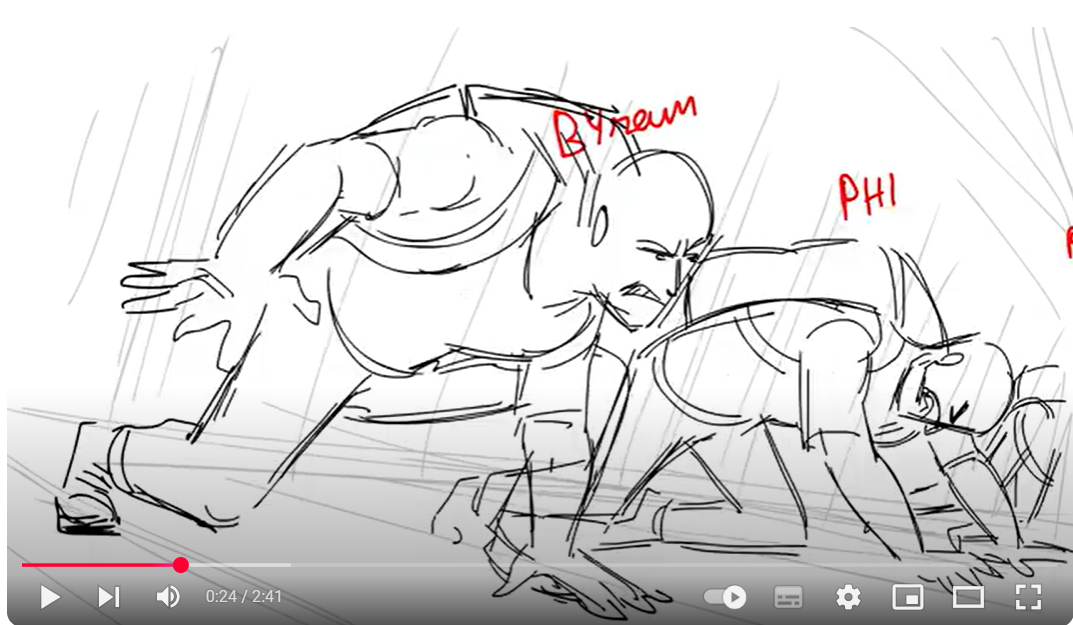
Animatics: A Plane Crash and the Battle with Bats

Think of a 2D storyboard animatic as the test drive for your animation. It allows creators to refine the journey, identify potential issues, and make improvements before moving into the production stage. This early visualization ensures that the final video is cohesive, engaging, and aligned with its educational purpose, making it a crucial tool for animation explainer video makers.

Why Are 2D Storyboard Animatics Important in eLearning Video Production?

Engaging 2D animation videos needs planning for successful execution. These videos have to hold a learner’s attention to the course material alongside delivering the core knowledge. This is why animatics should be a part of the video production process that will let you know which parts seem less engaging. 

2D eLearning video on Evaporation

1. Precision in Storytelling

2D storyboard animatics ensure that complex concepts are simplified into visually manageable pieces. Each scene is meticulously planned to deliver the intended message. By integrating graphics, animations, and voiceovers, animatics align perfectly with instructional goals. This structured approach ensures that every visual and auditory element complements the learning content seamlessly, making it both accessible and engaging for the audience.

Why it matters: Simplifying complex ideas into clear, organized visuals ensures better understanding and retention, enhancing the learning experience.

2. Improved Communication

Animatics provide a common language for animators, scriptwriters, and clients. They offer a visual representation of the eLearning video’s progression, including timing, transitions, and key visual elements. This allows all stakeholders to visualize the final product and ensure that their expectations align with the creative output. Misunderstandings are significantly reduced during production.

Why it matters: A shared visual reference keeps everyone on the same page, eliminating confusion and ensuring cohesive execution.

3. Efficient Feedback Loop

One of the key benefits of storyboard animatics is the opportunity for early feedback. Stakeholders can review the animatics and suggest improvements at this stage without affecting the production schedule. Changes are easier and less costly to implement before full-scale production begins. This iterative process ensures the final video meets all expectations.

Why it matters: Addressing potential issues early avoids expensive rework, saving both time and money in the production process.

4. Time Management

Animatics serve as a detailed roadmap, defining timing, character actions, and transitions. This structured plan reduces guesswork during production and streamlines workflows. The production team can efficiently follow the sequence, knowing exactly how each element should come together to achieve the desired outcome.

Why it matters: A clear framework ensures timely project completion without unnecessary delays, improving overall efficiency.

5. Enhanced Learning Outcomes

Effective animatics enhance eLearning videos by making them engaging and educational. The synchronization of visuals, narration, and transitions creates a cohesive flow that supports learners in grasping key concepts. When videos are designed with this precision, they hold the learner’s attention and improve information retention.

Why it matters: Well-designed animatics ensure that eLearning videos are impactful, leaving a lasting impression and facilitating better learning outcomes.

Technical Details and Process of 2D Storyboard Animatics

Creating 2D storyboard animatics for eLearning videos requires a blend of creativity and technical skill. Each step contributes to a cohesive and engaging final product. Below is a detailed walkthrough of the process, highlighting the tools used and their benefits.

1. Scriptwriting

The process begins with a well-crafted script that outlines the learning objectives, key messages, and narration. The script is divided into sections, with each segment corresponding to a frame or scene in the storyboard. This division ensures that the content flows logically and aligns with the intended educational goals.

How it works: A structured script ensures that every scene communicates the intended message clearly, making the learning content coherent and easy to follow.

2. Sketching Frames

Artists create rough sketches for each scene, focusing on important visual elements like characters, backgrounds, and objects. Each frame includes directional notes, such as “Zoom in,” “Pan left,” or “Fade out,” providing clarity on how the animation will unfold. These sketches form the backbone of the animatic.

How it works: Detailed sketches and directional notes give animators precise instructions, reducing ambiguities during production and ensuring smoother execution.

3. Timing and Pacing

Each frame is assigned a specific duration to establish the pacing of the video. For instance, a title card may last 2 seconds, while an animated sequence may take 10 seconds. Timing is carefully planned to ensure smooth transitions and synchronization with the narration or background music.

How it works: Proper timing and pacing keep the audience engaged, preventing rushed or dragging sequences that could disrupt the learning process.

4. Voiceover Integration

Placeholder voiceovers are incorporated into the animatics to synchronize the visuals with the narration. This ensures that the animation supports the educational content effectively. Tools like Adobe Premiere Pro or Toon Boom are often used for precise synchronization.

How it works: Syncing voice overs with visuals improves comprehension, as learners can easily follow the narration alongside the corresponding animation.

5. Feedback and Revisions

The initial animatics are shared with stakeholders for feedback, focusing on the flow, clarity, and alignment with learning objectives. Necessary changes are then implemented to refine the animatic before production. This iterative process ensures that the animatic meets expectations.

How it works: Early feedback reduces the risk of costly rework during production, saving time and ensuring a polished final video.

6. Tools for Animatics Creation

Professional tools like Toon Boom Storyboard Pro, Adobe After Effects, and ShotGrid are used in animatics creation. These tools enable detailed storyboarding, basic motion integration, and efficient team collaboration for revisions.

How it works: Using advanced tools enhances precision, streamlines workflows, and ensures high-quality animatics that serve as a reliable foundation for production.

How Animatics Improve eLearning

Visual Representation of Abstract Ideas

Animatics bring abstract or theoretical concepts to life through dynamic animations, enabling learners to visualize ideas that are challenging to grasp through static text or images. By creating motion-based representations, animatics simplify complex topics and present them in a visually engaging format. This approach makes it easier for learners to connect with the subject matter and retain information effectively.

How it happens: Animatics use sequential visuals and motion to break down difficult concepts into simpler, relatable components, making the learning process intuitive and enjoyable.

Maintains Consistency in Branding

For organizations using eLearning as part of their training initiatives, consistency in branding is essential. Animatics ensure that colors, logos, fonts, and the overall tone of the content align with the organization’s identity. This consistent branding reinforces the organization’s image while maintaining a professional and cohesive look throughout the video.

How it happens: Animatics establishes a unified visual framework that incorporates branding elements from the outset, ensuring uniformity across all content.

Simplifies Complex Workflows

By structuring the video into manageable segments, animatics enable animators, designers, and editors to work efficiently without overlapping responsibilities. Each team member has clear guidance on their role, reducing confusion and streamlining the production process.

How it happens: Animatics provides a roadmap that divides tasks into smaller, well-defined segments, fostering better collaboration and timely completion.

Supports Learner Engagement

Engagement is critical in eLearning, and animatics ensure that the visual and auditory elements complement each other seamlessly. They create a rhythm and flow that keeps learners focused and interested, helping them absorb information without distractions.

How it happens: Animatics synchronize visuals and narration, using pacing and transitions to hold learners’ attention, ensuring a compelling and immersive experience.

Key Features of Effective 2D Animatics

Clear Scene Transitions: Use fade-ins, wipes, or cuts to guide the viewer’s attention seamlessly between scenes, maintaining narrative flow.

Well-Timed Actions: Ensure movements are synced with narration or sound effects, improving comprehension and emotional impact.

Annotations: Add detailed notes for animators and editors, specifying camera movements, transitions, and visual effects for clarity.

Dynamic Composition: Use varied angles, framing, and focal points to keep visuals engaging and prevent monotony.

Consistent Visual Style: Maintain uniformity in colors, fonts, and design elements to reinforce branding and visual identity.

Balanced Pacing: Adjust pacing to align with content complexity, giving learners enough time to process key information.

Integration of Audio Cues: Include placeholders for music and sound effects to assess their impact on mood and engagement.

Iterative Refinement: Continuously review and refine the animatic based on feedback to address potential gaps and inconsistencies.

Best Practices for eLearning Animation Creators

Understand the Audience: Research the demographics, learning preferences, and knowledge level of your audience to tailor visuals, tone, and pacing effectively.

Prioritize Educational Value: Ensure that every frame supports the learning objectives, avoiding any visuals or elements that do not add value to the content.

Collaborate Early and Often: Involve instructional designers, subject matter experts, and stakeholders at every stage to align the animatic with the training goals.

Test the Animatic: Share the animatic with a sample audience to gather feedback on clarity, engagement, and effectiveness, making necessary adjustments.

Maintain Visual Hierarchy: Design scenes with clear focal points, using size, color, and placement to direct attention to key elements.

Incorporate Accessibility Features: Include captions, subtitles, and alternative text to ensure the content is inclusive for all learners.

Plan for Multilingual Needs: Design animatics in a way that can be easily adapted for translations or regional customizations.

Iterate for Quality: Review and refine the animatic multiple times to identify and address potential issues before full production.

FAQs

1. Why are 2D storyboard animatics essential for explainer video makers?

2D storyboard animatics provide a clear visual framework, allowing creators to map scenes, test timing, and align narration before production. This helps identify issues early, streamlines workflows, reduce costs, and ensures the final video is engaging and effective.

2. How do animation explainer video makers use animatics to improve eLearning videos?

Animatics help explainer video makers plan sequences, align voiceovers, and test pacing, making complex topics engaging and easy to understand. This ensures better learner focus, improved retention, and visually compelling eLearning content.

3. Can animation companies in Kolkata benefit from using animatics in explainer videos?

Animatics helps animation companies in Kolkata visualize stories, refine timing, and reduce errors before production. This streamlines workflows, and cuts costs, for client-focused explainer videos.

Conclusion 

2D storyboard animatics are the backbone of engaging eLearning video production. By ensuring clarity, coherence, and creativity, animatics pave the way for impactful learning experiences.

If you’re part of an animation company in Kolkata or specialize as an animation explainer video maker, mastering storyboard animatics will set you apart in the competitive world of eLearning production. Embrace this tool, refine your process, and create videos that truly resonate with learners.

Neque porro quisquam est, qui dolorem ipsum quia dolor sit consectetur, aliquam quaerats voluptatem. Ut enim ad minima veniam, exercitationem laboriosam, nisi ut aliquid ex ea autem velit esse quam nihil

address CPUTEK PRIVATE LIMITED
80, Vidyasagar Sarani
Purba Barisha Kolkata – 700008
call now 8013920772
Let's Talk