In Corporate Video Storytelling, Both Vision and Passion Make the Difference

Introduction

Corporate videos have become a crucial tool for businesses. They are not just about showing products or services. They tell stories, create emotional connections, and influence decision-making. However, what separates a forgettable video from a powerful one? The answer is vision and passion.

A video with clear vision ensures that every scene, word, and shot aligns with the brand’s message. Passion, on the other hand, brings life into the story. It makes the audience feel something. Without passion, a corporate video remains just another piece of content buried in an endless stream of digital noise.

In this blog, we will explore how vision and passion drive corporate video storytelling, their impact on business success, and how companies can leverage them effectively.

What is Corporate Video Storytelling?

Corporate video storytelling is the art of using video to tell a brand’s story in a way that captivates and engages viewers. Unlike traditional advertisements that focus on selling, storytelling videos create emotional connections by presenting relatable narratives, real experiences, and meaningful resolutions. These videos focus on your brand’s story and background, what it stands for, and how it matters more rather than just listing product features.

Storytelling in corporate videos follows a structured narrative that includes a beginning (introducing a challenge), a middle (highlighting the journey or transformation), and an end (showing resolution and impact). The key to effective storytelling is emotion, authenticity, and clarity. When done well, these videos increase audience engagement, build trust, and enhance brand recall.

Businesses use corporate video storytelling for brand awareness, employee engagement, product education, investor relations, and customer testimonials. It helps simplify complex ideas, making them more accessible and memorable to the target audience.

The Role of Vision in Corporate Video Storytelling

Vision is the foundation of any successful corporate video. It shapes the message, tone, and overall impact. Without a clear vision, a corporate video can feel directionless, confusing, and forgettable. A well-defined vision ensures that every frame, word, and emotion aligns with the company’s purpose and brand identity. It gives your corporate video coherence, consistency, and meaning, making it more engaging and effective.

How It Works

Define the Objective:

  • What is the goal? (Brand awareness, product launch, recruitment, investor pitch?)
  • What action should viewers take after watching?

Understand the Audience:

  • Who is watching? What do they care about?
  • What emotions, challenges, or aspirations should the video address?
  • Is the target audience customers, employees, investors, or partners?

Choose the Right Storytelling Style:

  • Linear storytelling

Best for step-by-step narratives or tutorials.

  • Non-linear storytelling 

Uses flashbacks, multiple perspectives, or suspenseful elements.

  • The Hero’s Journey

Showcases a transformation—overcoming challenges to achieve success.

  • Testimonial-based storytelling

Uses real customer experiences to build credibility.

Plan Visual and Emotional Appeal:

  • Lighting

Bright for optimism, darker tones for seriousness.

  • Colors

Warm tones for trust, cool tones for professionalism.

  • Pacing

Fast for excitement, slow for depth and emotional impact.

  • Sound & Music

Sets the mood; uplifting, dramatic, or inspiring.

Why Does It Matter?

  • Strengthens Brand Identity

Ensures consistency in message and storytelling.

  • Enhances Viewer Engagement 

A structured video keeps audiences hooked from start to finish.

  • Prevents Wasted Resources 

A well-planned vision reduces reshoots, script rewrites, and production delays.

Examples of Vision in Action

  • Patagonia 

Uses corporate videos to promote sustainability and environmental activism instead of just clothing.

  • WeTransfer

Funds short documentaries and artistic projects to reinforce its creative brand identity.

  • Vimeo Staff Picks

Features high-quality films selected based on storytelling, originality, and technical craft.

A corporate video without vision lacks focus, leading to low engagement and forgettable storytelling. Companies that take the time to define a clear vision create memorable, impactful videos that leave a lasting impression.

The Importance of Passion in Corporate Video Storytelling

Passion makes the difference between a forgettable corporate video and one that leaves a lasting impact. It fuels authenticity, builds emotional connections with your audience, and drives action. Without passion, a video feels cliched and scripted. With passion, it inspires, engages, and motivates viewers to connect with your brand’s story.

A passionate corporate video is not just about a message, it’s about the conviction behind that message. Whether it’s the tone of voice, facial expressions, or the way a story unfolds, passion breathes life into storytelling, making it relatable and memorable.

How It Works

Authentic Emotions Over Perfection

  • Viewers connect with real people and real struggles, not rehearsed marketing lines.
  • Passionate videos embrace imperfections- a natural pause, a heartfelt expression, an unscripted reaction.

Compelling Storytelling Instead of Data Dumping

  • Facts alone don’t sell, stories do.
  • A corporate video should feel human, not just an informational slideshow.
  • Example: Nike’s “You Can’t Stop Us” campaign blended real sports footage and passionate narration to tell an inspiring story about perseverance.

Genuine Delivery

  • Passion is visible—it comes through in body language, voice modulation, and energy.
  • Example: Apple’s Steve Jobs’ iPhone launch was more than a product reveal, it was storytelling with genuine excitement and belief in the innovation.

Why Does It Matter?

  • Increases Audience Connection: People relate to real emotions, struggles, and triumphs.
  • Boosts Viral Potential: Emotionally powerful videos get shared more than generic ads.
  • Drives Brand Loyalty: Emotional storytelling fosters long-term trust and engagement.

Examples of Passion in Storytelling

  • Sylvester Stallone & Rocky: He refused $350,000 for the script because he believed he was the only one who could play Rocky. The film grossed over $200 million and won three Academy Awards.
  • Band of Brothers Tours: Uses real customer experiences and passion for history to create trust and engagement.
  • Cloudbeds: Uses humor and relatable situations to showcase passion for hospitality solutions.
  • Tesla’s Branding: Elon Musk doesn’t just sell cars, he sells a vision for the future—his passionate delivery makes Tesla’s message powerful.
  • Dove’s “Real Beauty” Campaign: The brand took a passionate stance on redefining beauty standards, making it one of the most successful brand storytelling campaigns ever.

A company that lacks passion in its video storytelling creates flat, forgettable content. But when passion is at the core, corporate videos inspire, engage, and leave a mark on the audience.

Key Elements of a Successful Corporate Video

A successful corporate video is more than just a collection of visuals and voiceovers. It strategically combines storytelling, emotion, production techniques, and audience psychology to create a compelling and engaging experience. 

Every element, from the characters to lighting, pacing, and sound design, plays a role in holding the viewer’s attention and delivering the message effectively. Below are the critical elements that define an impactful corporate video.

1. Relatable Characters

Characters in corporate videos should be real, relatable, and relevant to the audience. Whether it’s an employee, a customer, or a founder, the person in the video must feel authentic.

How It Works

  • Use real employees or customers instead of actors for testimonial-style videos.
  • Showcase real-life struggles and experiences to build credibility.
  • Ensure diverse representation to make the video inclusive.

Example

  • Dove’s “Real Beauty” Campaign: Used real women, not models, to discuss beauty standards.
  • Google’s “Year in Search” Videos: Highlights real people and events to connect emotionally.

2. Emotionally Driven Narrative

Corporate videos that evoke strong emotions are more impactful and memorable than purely informational content.

How It Works

  • Start with a relatable problem that the audience identifies with.
  • Build tension or anticipation to showcase struggles before revealing a solution.
  • End with a resolution, a product, service, or idea that makes a difference.
  • Use visuals, music, and tone to enhance the emotional effect.

Example

  • Nike’s “You Can’t Stop Us” Ad: Uses emotional storytelling, split-screen visuals, and inspiring narration.
  • Apple’s “Dear Apple” Video: Showcases real users whose lives were saved by Apple Watch’s health features.

3. Sound and Music

Sound design is just as critical as visuals in a corporate video. Poor audio quality can ruin an otherwise great video.

How It Works

  • Voiceover Clarity: The voiceover must be clear, well-paced, and suited to the brand tone.
  • Background Music: The right soundtrack enhances emotion (e.g., soft piano for emotional depth, upbeat music for energy).
  • Natural Sounds: Footsteps, rustling papers, keyboard typing make the video more immersive.
  • Audio Mixing: Ensure consistent volume levels for voice, music, and sound effects.

Example

  • Apple’s Product Launch Videos: Uses minimal background music to keep the focus on product features.
  • BMW’s Sound Design: Uses high-quality car engine sounds to reinforce luxury branding.

4. Pacing and Lighting

Pacing and lighting set the mood, energy, and engagement level of a corporate video.

How It Works

  • Fast-Paced Videos: Best for ads, event highlights, or promotional videos (Creates urgency & excitement).
  • Slow-Paced Videos: Used for emotional storytelling, documentaries, and interviews (Builds depth & connection).
  • Bright Lighting: Suitable for corporate office settings, explainer videos, and positive brand stories.
  • Dark Lighting: Creates mystery, drama, or seriousness (Common in luxury branding or intense storytelling).

Example

  • Tesla’s Product Launch Videos: Use dark lighting with spotlights to create a premium, futuristic look.
  • Coca-Cola’s Holiday Ads: Feature warm, bright lighting for a festive, emotional feel.

5. Video Length Optimization

The length of a corporate video depends on the platform and target audience.

How It Works

  • Short-form Videos (15-60 sec): Best for Instagram, TikTok, YouTube Shorts (Quick brand messages).
  • Medium-length Videos (1-3 min): Best for website homepages, LinkedIn, product explainers.
  • Long-form Videos (10-20 min): Best for documentaries, case studies, training videos.

Example

  • HubSpot’s 2-minute explainer videos: Concise, informative, and to the point.
  • Netflix’s Behind-the-Scenes Videos (10+ minutes): Gives in-depth storytelling for deeper audience engagement.

6. Strong Call to Action (CTA)

A corporate video should guide the viewer towards the next step – whether it’s visiting a website, signing up, or sharing the content.

How It Works

  • Use a clear CTA at the end (“Sign up today”, “Learn more”, “Subscribe now”).
  • Incorporate clickable elements for interactive videos.
  • Ensure CTA placement is natural, avoid aggressive sales pitches.

Example

  • Dropbox’s Explainer Video: Ends with a simple CTA directing users to sign up.
  • Nike’s Video Ads: Uses hashtags and campaign slogans as subtle CTAs.

7. High-Quality Production & Editing

Even with a great story, a corporate video must be well-shot, well-edited, and visually appealing.

How It Works

  • 4K Resolution: Ensures sharp visuals for professional-quality videos.
  • Stable Camera Work: Use gimbals, tripods, and proper framing for a polished look.
  • Smooth Transitions: Avoid excessive cuts; transitions should feel natural.
  • Motion Graphics & Text Overlays: Enhances engagement without distracting.

Example

  • Google’s “Search On” Campaign: Combines smooth transitions, engaging motion graphics, and high-quality production.
  • Red Bull’s Action Videos: Feature stunning cinematography and high-energy edits.

8. Interactive & Immersive Elements

Modern corporate videos are becoming interactive, allowing viewers to engage instead of just watching.

How It Works

  • Clickable Hotspots: Viewers can click on different sections to explore more.
  • 360-Degree Videos: Creates a VR-like immersive experience.
  • Branching Storylines: Lets viewers choose different video endings.

Example

  • Vimeo’s Interactive Video Feature: Allows brands to add clickable elements for better engagement.
  • IKEA’s Interactive Product Videos: Let customers shop directly from the video.

A successful corporate video is a blend of storytelling, technical quality, and audience engagement strategies. It should connect emotionally, deliver a clear message, and be visually appealing. Companies that prioritize these elements create videos that influence decisions, build brand loyalty, and stand out in a crowded market.

How to Make Corporate Videos That Stand Out

  • Understand Your Audience: Who are they? What do they care about?
  • Use a Clear Narrative Structure: Beginning, conflict, resolution.
  • Prioritize Authenticity: Avoid excessive scripting; let the story flow naturally.
  • Invest in High-Quality Production: Poor video quality reduces credibility.
  • Use Emotion to Drive Action: Inspire, entertain, or educate.
  • Leverage Customer Stories: Testimonial videos influence buying decisions.
  • Ensure Proper Distribution: Publish videos on YouTube, LinkedIn, websites, and social media.

Future of Corporate Video is Storytelling- Interactive Videos

Interactive videos are transforming corporate video storytelling by making content engaging, personalized, and action-driven. Unlike traditional videos, interactive videos allow viewers to interact with the content, increasing engagement and retention.

Why Interactive Videos Matter:

  • Higher Engagement: Viewers actively participate instead of passively watching.
  • Increased Retention: Interactive elements keep audiences focused longer.
  • Improved Conversion Rates: Directs users to products, sign-ups, or additional content.
  • Personalized Experience: Viewers control their journey, making it more relevant.
  • Better Data Collection: Tracks viewer interactions for deeper audience insights.

Key Interactive Video Features:

  • Clickable Hotspots: Viewers click on sections for more details.
  • Branching Storylines: Multiple video paths based on choices.
  • Shoppable Videos: Direct in-video purchases.
  • Quizzes & Polls: Interactive elements boost engagement.
  • 360-Degree Videos: Immersive VR-like experiences.

Examples:

  • IKEA’s Interactive Product Videos: Clickable product details.
  • Netflix’s “Bandersnatch”: Choose-your-own-adventure format.
  • Vimeo’s Interactive Video Tools: Customizable engagement options.

Interactive videos are the future of corporate video storytelling, making content more dynamic and user-driven.

FAQs

1. How does corporate video storytelling differ from traditional corporate videos?

Corporate video storytelling focuses on emotion, narrative, and engagement, while traditional corporate videos are often informational or promotional. Storytelling videos use relatable characters, real challenges, and meaningful resolutions to create an emotional connection. This approach increases viewer retention, brand trust, and engagement, making the content more impactful than a standard product showcase or company overview.

2. Why is vision important in corporate video storytelling?

Vision shapes the direction, message, and impact of a corporate video. It ensures that every scene, script, and visual aligns with the company’s goals and audience expectations. A strong vision prevents wasted resources, improves storytelling consistency, and enhances audience engagement. Without a clear vision, a video may feel disjointed, forgettable, or ineffective in delivering the intended message.

3. How can passion enhance the effectiveness of corporate videos?

Passion brings authenticity, energy, and emotion into corporate videos. It ensures that the message feels genuine, making it more relatable and engaging for viewers. Passion is visible through body language, voice modulation, and storytelling tone. Companies like Tesla, Apple, and Nike have successfully used passion-driven storytelling to inspire audiences and build brand loyalty through their video campaigns.

4. What are some examples of interactive corporate videos?

Interactive corporate videos engage viewers by allowing them to click, explore, and make choices. Examples include Netflix’s “Bandersnatch”, which lets viewers choose different storylines, IKEA’s shoppable product videos, where users click on items to learn more, and Vimeo’s interactive tools, which let brands add clickable elements for deeper engagement. These videos boost conversions and viewer retention significantly.

Conclusion

Corporate video storytelling is more than just filming a product or service. Creating a memorable, emotional, and engaging experience for the audience is all it requires. A well-crafted corporate video tells a story, connects with viewers, and drives action.

A strong vision ensures that the video stays focused, aligned with brand identity, and impactful. It defines the message, theme, and purpose, making the storytelling clear and effective. Passion, on the other hand, brings the story to life. It makes the video authentic, relatable, and emotionally powerful, increasing engagement and retention.

The key elements of a successful corporate video, relatable characters, emotional narratives, strong sound design, high-quality production, and interactive features, help brands capture attention and build lasting relationships with their audience.

As technology advances, interactive videos are shaping the future of corporate storytelling, offering higher engagement, personalized experiences, and improved conversion rates. Companies that embrace vision, passion, and innovation in their videos will stand out, inspire audiences, and drive business success in an increasingly competitive digital landscape.

Top 10 Explainer Video Makers in 2025: A Detailed Comparison

Introduction

In the digital age, a compelling explainer video can be the difference between capturing interest and losing it altogether. Whether it’s a startup introducing a new product, a company explaining its services, or an online educator simplifying complex topics, explainer videos make communication more engaging and effective.

With the rise of artificial intelligence (AI) and automation, creating professional-quality explainer videos is now easier than ever. Gone are the days when you needed expensive software or professional animators to craft compelling videos. Today, various explainer video makers offer user-friendly interfaces, AI-powered features, and vast libraries of assets, enabling users of all skill levels to create high-quality content.

However, with so many options available, choosing the right explainer video maker can be overwhelming. Each platform comes with unique features, pricing models, and customization options. Some cater to businesses looking for corporate-style animations, while others focus on social media-friendly video creation. That’s why we’ve created this detailed comparison of the top 10 explainer video makers in 2025—to help you find the best tool based on your needs.

Before diving into the list, let’s look at the key factors to consider when selecting an explainer video maker.

Criteria for Comparison

When selecting the best explainer video maker in 2025, it’s essential to evaluate several critical aspects. Here are the key factors that will help you make an informed decision:

1. Ease of Use

Not everyone is a professional video editor or animator. A great explainer video maker should offer an intuitive interface that allows users to create videos with minimal effort. Features like:

  • Drag-and-drop functionality
  • Pre-made templates
  • AI-assisted video generation
  • Beginner-friendly navigation

These elements make the tool accessible to both beginners and professionals, reducing the learning curve.

2. Features & Customization

A good explainer video maker should provide flexibility in design and storytelling. Customization options are crucial for branding and ensuring the video aligns with your message. Look for:

  • Various animation styles (2D, 3D, whiteboard, motion graphics)
  • Character customization (facial expressions, gestures, clothing)
  • AI-generated scripts and voiceovers
  • Rich asset libraries (stock videos, icons, illustrations, background music)
  • Advanced editing tools for transitions, overlays, and effects

3. Pricing & Plans

Pricing is a crucial factor, especially for startups and small businesses with budget constraints. Most explainer video makers offer multiple pricing tiers, including:

  • Free plans with limited features
  • Monthly or annual subscriptions
  • Pay-per-video pricing models
  • Enterprise-level packages for businesses

Understanding the cost-benefit ratio will help users select a tool that meets their budget without compromising on quality.

4. AI & Automation Capabilities

Artificial Intelligence is playing a significant role in video creation. The best explainer video makers in 2025 integrate AI to enhance productivity and creativity. AI-powered features include:

  • AI script generation – Generates video scripts based on input keywords.
  • AI voiceovers – Converts text to speech in various languages and tones.
  • Automated animations – AI-driven animation effects and transitions.
  • Smart editing – Automatically trims, resizes, and enhances video quality.

These features save time and effort, making video production more efficient.

5. Export & Integration Options

Once the video is created, the ability to export it in high quality and integrate it with various platforms is essential. The best explainer video makers should offer:

  • HD and 4K video exports
  • Compatibility with social media platforms (YouTube, Instagram, LinkedIn, TikTok)
  • Integration with marketing tools like HubSpot, Mailchimp, and Canva
  • Cloud storage options for easy collaboration and sharing

6. Customer Support & Community

Reliable customer support can make a big difference, especially when dealing with technical issues. Users should look for platforms that provide:

  • 24/7 live chat or email support
  • Comprehensive knowledge bases and tutorials
  • Active user communities and forums
  • Webinars and learning resources for skill improvement

By evaluating an explainer video maker based on these criteria, users can ensure they choose a tool that meets their needs in terms of functionality, ease of use, and cost-effectiveness.

Now that we have established the key factors to consider, let’s explore the top 10 explainer video makers in 2025 and see how they compare.

2. Top 10 Explainer Video Makers in 2025

The demand for explainer videos continues to grow, with businesses, educators, and content creators relying on them to communicate ideas effectively. The best explainer video makers offer easy-to-use tools, AI automation, and customizable templates to simplify video creation. Below is a detailed overview of the top 10 explainer video makers in 2025, their features, and their best use cases.

1. Vyond

Best for: Businesses, corporate presentations, and e-learning

Vyond is a professional-grade explainer video maker widely used in corporate settings for presentations, training, and marketing. It offers a vast library of customizable characters, animations, and AI-powered voiceovers, making it ideal for businesses that need high-quality, polished videos.

Key Features:

  • AI-assisted scriptwriting and voiceover capabilities
  • Character animations with realistic facial expressions and lip-syncing
  • Library of business-focused templates for training and marketing
  • Integration with PowerPoint and learning management systems for seamless workflow

Why Choose Vyond?
Vyond is perfect for organizations that need polished, professional-looking videos for corporate communication, training, and branding.

2. Animaker

Best for: Beginners, small businesses, and startups

Animaker is a user-friendly explainer video maker with a simple drag-and-drop interface. It is designed for beginners and non-designers who want to create animated videos without technical expertise. The platform provides a variety of animation styles, including 2D, whiteboard, and typography-based videos.

Key Features:

  • AI-powered auto lip-sync and voiceover generation
  • Pre-built templates with customizable animations
  • Huge collection of stock images, characters, and icons
  • Cloud-based platform for team collaboration

Why Choose Animaker?
If you’re looking for an affordable and easy-to-use tool to create animated explainer videos quickly, Animaker is a great option.

3. Doodly

Best for: Whiteboard animations and educational content

Doodly specializes in whiteboard-style animations, making it an excellent choice for educators, trainers, and businesses that want to present information in a visually engaging way. The software allows users to create hand-drawn explainer videos using pre-made sketch images or custom illustrations.

Key Features:

  • Whiteboard, blackboard, and glassboard animation styles
  • Hand-drawn animations with AI-assisted sketching
  • Ability to import and animate custom images
  • Simple drag-and-drop functionality for easy editing

Why Choose Doodly?
If you need engaging whiteboard animations for training or education, Doodly is one of the best tools available.

4. Powtoon

Best for: Corporate training, business presentations, and marketing videos

Powtoon is a hybrid explainer video maker that combines animation and real-life footage, making it ideal for business presentations, HR training, and promotional videos. It offers ready-made templates and business-focused design elements that allow professionals to create videos quickly.

Key Features:

  • Business-focused templates for training and corporate presentations
  • Custom animation effects and transitions
  • AI-powered voiceovers and scriptwriting assistance
  • Seamless integration with PowerPoint and Adobe software

Why Choose Powtoon?
If you need an explainer video maker that balances professional animations with real-life visuals, Powtoon is an excellent choice.

5. Renderforest

Best for: Quick video creation with AI automation

Renderforest is a cloud-based explainer video maker that uses AI to automate video creation. It is perfect for businesses and marketers who want high-quality videos without spending too much time on editing. The platform provides thousands of customizable templates, AI-generated scripts, and branding tools.

Key Features:

  • AI-powered script and scene generator
  • Wide range of customizable templates for different industries
  • Built-in branding tools for logo animation and promotional content
  • Cloud storage for easy collaboration

Why Choose Renderforest?
If you need a fast and efficient tool for creating high-quality explainer videos, Renderforest is a great option.

6. Toonly

Best for: Cartoon-style animations and fun explainer videos

Toonly is designed for users who prefer cartoon-style animations. It is an easy-to-use explainer video maker that allows businesses, content creators, and educators to create engaging and playful animated videos.

Key Features:

  • Library of cartoon-style characters and props
  • Simple drag-and-drop animation editor
  • Customizable backgrounds and animations
  • Voiceover recording and editing tools

Why Choose Toonly?
If you’re looking for a fun and engaging way to create animated explainer videos, Toonly is a great choice.

7. Biteable

Best for: Social media marketing videos and short animations

Biteable is an explainer video maker that specializes in quick and engaging content for social media. It is widely used by marketers and content creators who need fast, high-quality videos for advertisements, promotions, and brand storytelling.

Key Features:

  • Ready-made templates designed for marketing and social media
  • AI-driven video editing tools for faster content creation
  • Large stock footage and animation library
  • One-click social media sharing for fast publishing

Why Choose Biteable?
If you need to create short, eye-catching videos for social media and marketing, Biteable is a great option.

8. Wideo

Best for: Marketing teams and e-learning professionals

Wideo is a versatile explainer video maker that offers a range of customizable templates for businesses, educators, and marketers. The platform is known for its interactive video creation features, which help businesses engage their audiences more effectively.

Key Features:

  • Fully customizable animated templates for marketing and education
  • AI-powered script and voiceover features
  • Integration with popular marketing tools for lead generation
  • Cloud-based storage for easy team collaboration

Why Choose Wideo?
If you’re looking for a highly customizable tool for creating professional marketing and educational videos, Wideo is a strong choice.

9. Moovly

Best for: Business marketing and branding

Moovly is a flexible explainer video maker that offers a mix of AI-powered automation, stock assets, and customization options. 

Key Features:

  • AI-generated voiceovers and subtitles
  • Marketing-focused video templates
  • Extensive collection of animations and effects
  • Direct export options for social media and marketing platforms

Why Choose Moovly?
If you need a marketing-focused video maker with AI-powered features, Moovly is a great option.

10. FlexClip

Best for: Small businesses and content creators

FlexClip is a simple and efficient explainer video maker designed for small businesses, entrepreneurs, and content creators. 

Key Features:

  • AI script generator and voiceover tools
  • Drag-and-drop video editing interface
  • Large library of stock images, videos, and music

Why Choose FlexClip?
If you’re looking for an affordable and beginner-friendly video maker, FlexClip is a great option.

These top 10 explainer video makers offer different features and customization levels, catering to various needs. 

In the next section, we will compare them side by side to help you choose the best one for your projects.

An Overview:

Video MakerAI FeaturesCustomizationEase of UsePricingBest For
VyondAI-powered tools for video creation and editing, text-to-prop, instant translation.Extensive templates and character customization.Intuitive interface, suitable for beginners and professionals.Starts at $49/month (Essential plan) with a 14-day free trial.Business-oriented explainer videos.
AnimakerLimited AI features, primarily drag-and-drop functionality.Thousands of templates and diverse character customization.User-friendly for both beginners and advanced users.Starts at $10/month (Basic plan).Easy-to-use animation tools for beginners.
DoodlyBasic AI features for whiteboard animations.Limited to whiteboard styles but customizable characters.Simple drag-and-drop interface, easy to learn.Starts at $39/month (Standard plan).Whiteboard-style explainer videos.
PowtoonSome AI capabilities for character animations.Good selection of animated characters and templates.Easy to use with a playful interface.Starts at $15/month (Lite plan).Animated explainer videos with a playful tone.
RenderforestBasic AI features for video generation and editing.Versatile with options for logos, graphics, and websites.User-friendly, great for beginners.Starts at $9.99/month (Lite plan).Quick, professional-looking explainer videos.
ToonlyMinimal AI features; focuses on cartoon-style animations.Customizable cartoon characters and scenes.Easy to use with a straightforward interface.Starts at $39/month (Standard plan).Cartoon-style explainer videos with character animations.
BiteableBasic AI features for quick video creation.Good variety of templates but limited customization options.Fast and straightforward to use; ideal for quick projects.Starts at $29/month (Pro plan).Fast and straightforward explainer video production.
WideoLimited AI features; focuses on animation tools.Offers customizable templates for various styles.Easy to navigate, suitable for beginners and intermediates.Starts at $19/month (basic plan).Quick and easy explainer video creation.
MoovlySome AI capabilities for media integration and editing.Good customization options with mixed media elements.User-friendly but may have a learning curve for advanced features.Starts at $24.92/month (Pro plan).Creating explainer videos with mixed media elements.
FlexClipBasic AI features focused on template suggestions and editing assistance.Offers numerous templates and customization options.Very easy to use, designed for quick edits.Pricing starts around $8.99/month.Best for simple video projects with minimal effort.

Conclusion

In an increasingly visual world, the right explainer video maker can significantly enhance your ability to communicate ideas effectively. Each platform offers unique features tailored to different needs, whether you’re a small business owner, a marketer, or an educator. By understanding the strengths and weaknesses of each option, you can select the perfect tool to create engaging explainer videos that resonate with your audience. As you explore the top options available in 2025, remember that the best explainer video maker for you will depend on your specific goals and creative vision.

FAQs

1. What is an explainer video maker?

An explainer video maker is a software or online tool that allows users to create animated or live-action videos to explain concepts, products, or services. These tools often come with pre-made templates, AI-powered voiceovers, and drag-and-drop editors to simplify the video creation process.

2. What are the benefits of using an explainer video maker?

Using an explainer video maker can help businesses and educators create engaging content quickly without requiring professional video editing skills. Benefits include:

  • Increased audience engagement
  • Improved information retention
  • Cost-effectiveness compared to hiring video production teams
  • Easy customization for branding and messaging

3. Which explainer video maker is best for beginners?

For beginners, Animaker, Biteable, and FlexClip are great options. They offer user-friendly drag-and-drop editors, ready-made templates, and AI automation, making it easy to create videos without prior experience.

4. Which tool is best for business and corporate presentations?

For professional business presentations, Vyond, Powtoon, and Moovly are top choices. They provide high-quality animations, business-friendly templates, and integrations with corporate tools like PowerPoint and learning management systems.

5. What is the best explainer video maker for social media content?

If you’re creating videos for social media, Biteable and Renderforest are great options. They offer quick templates, AI-powered automation, and easy sharing features tailored for social media platforms.

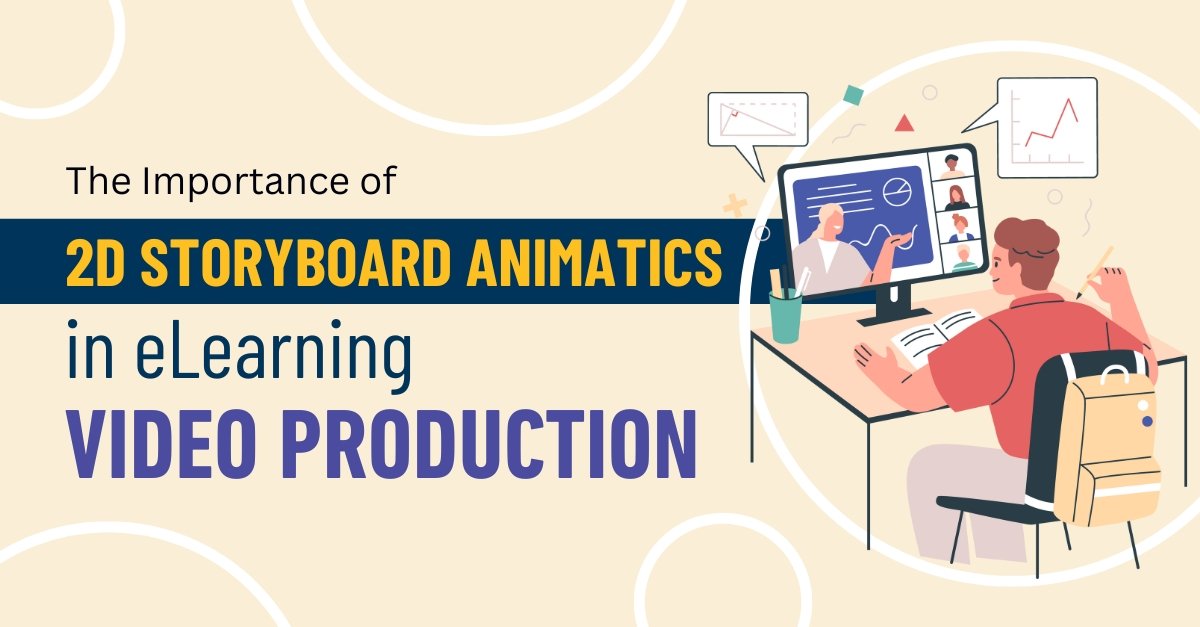
The Importance of 2D Storyboard Animatics in eLearning Video Production

Introduction

A clear roadmap is essential for professionals in eLearning video production, whether tackling a detailed educational series, a concise animated ad, or a compelling promotional video. Without it, project deadlines, misaligned messaging, and avoidable revisions would stretch. This is where 2D storyboard animatics redefine the pre-production process.  

While traditional storyboards offer a sequence of static images to outline the narrative, they often feel limited in conveying the flow and emotion of a project. Animatics, on the other hand, turn these static visuals into dynamic, timed sequences by adding motion, sound, and transitions. This evolution takes a set of disconnected still frames and turns them into a lively preview of the final product, making it easier for creators and clients to engage with the material and evaluate its effectiveness early on.  

In the eLearning industry, where the goal is to capture and sustain a learner’s attention while delivering clear educational content, this difference is critical. Animatics allow teams to test pacing, refine transitions, and align audio-visual elements with learning objectives in a way that static storyboards simply cannot. This added layer of motion ensures that instructional videos feel cohesive and engaging, paving the way for smoother production and fewer revisions down the line.  

By bridging the gap between concept and execution, 2D storyboard animatics offer an invaluable tool for refining eLearning videos. They empower production teams to make informed decisions, anticipate challenges, and deliver content that meets both educational and creative goals on time and within budget.

What Are 2D Storyboard Animatics?

2D storyboard animatics are a sequence of detailed sketches or frames arranged to simulate the motion, timing, and structure of the final animation. By integrating visuals and sound, animatics offer a near-complete preview of the eLearning video before full production begins.

These animatics serve as a creative blueprint, allowing creators to:

  • Map out visual storytelling effectively.
  • Establish the pacing, timing, and seamless scene transitions.
  • Highlight and emphasize key learning objectives through carefully planned visual elements.
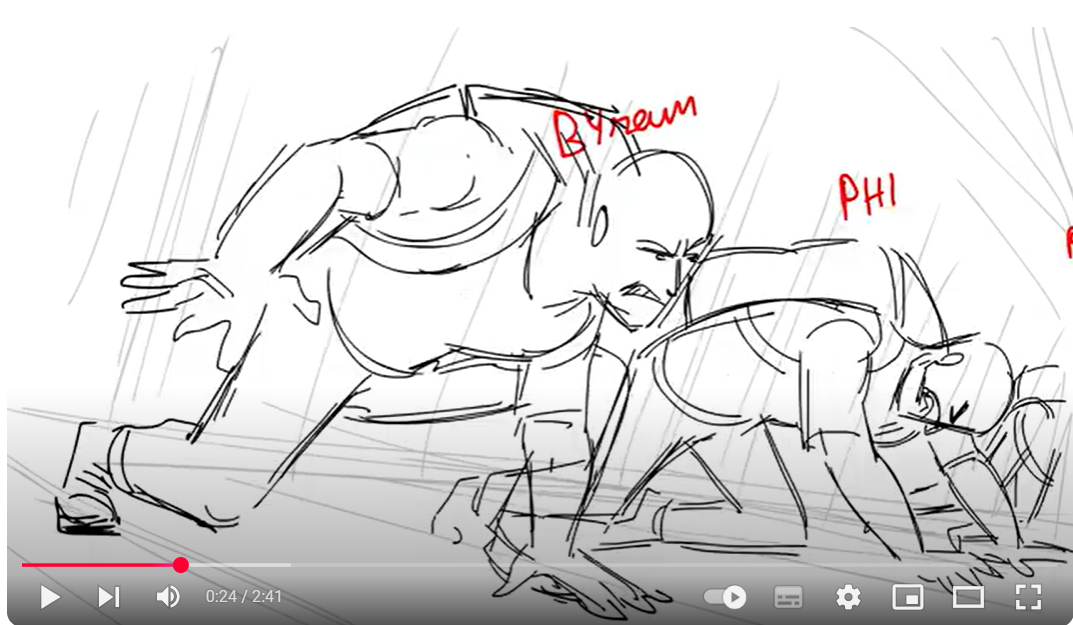
Animatics: A Plane Crash and the Battle with Bats

Think of a 2D storyboard animatic as the test drive for your animation. It allows creators to refine the journey, identify potential issues, and make improvements before moving into the production stage. This early visualization ensures that the final video is cohesive, engaging, and aligned with its educational purpose, making it a crucial tool for animation explainer video makers.

Why Are 2D Storyboard Animatics Important in eLearning Video Production?

Engaging 2D animation videos needs planning for successful execution. These videos have to hold a learner’s attention to the course material alongside delivering the core knowledge. This is why animatics should be a part of the video production process that will let you know which parts seem less engaging. 

2D eLearning video on Evaporation

1. Precision in Storytelling

2D storyboard animatics ensure that complex concepts are simplified into visually manageable pieces. Each scene is meticulously planned to deliver the intended message. By integrating graphics, animations, and voiceovers, animatics align perfectly with instructional goals. This structured approach ensures that every visual and auditory element complements the learning content seamlessly, making it both accessible and engaging for the audience.

Why it matters: Simplifying complex ideas into clear, organized visuals ensures better understanding and retention, enhancing the learning experience.

2. Improved Communication

Animatics provide a common language for animators, scriptwriters, and clients. They offer a visual representation of the eLearning video’s progression, including timing, transitions, and key visual elements. This allows all stakeholders to visualize the final product and ensure that their expectations align with the creative output. Misunderstandings are significantly reduced during production.

Why it matters: A shared visual reference keeps everyone on the same page, eliminating confusion and ensuring cohesive execution.

3. Efficient Feedback Loop

One of the key benefits of storyboard animatics is the opportunity for early feedback. Stakeholders can review the animatics and suggest improvements at this stage without affecting the production schedule. Changes are easier and less costly to implement before full-scale production begins. This iterative process ensures the final video meets all expectations.

Why it matters: Addressing potential issues early avoids expensive rework, saving both time and money in the production process.

4. Time Management

Animatics serve as a detailed roadmap, defining timing, character actions, and transitions. This structured plan reduces guesswork during production and streamlines workflows. The production team can efficiently follow the sequence, knowing exactly how each element should come together to achieve the desired outcome.

Why it matters: A clear framework ensures timely project completion without unnecessary delays, improving overall efficiency.

5. Enhanced Learning Outcomes

Effective animatics enhance eLearning videos by making them engaging and educational. The synchronization of visuals, narration, and transitions creates a cohesive flow that supports learners in grasping key concepts. When videos are designed with this precision, they hold the learner’s attention and improve information retention.

Why it matters: Well-designed animatics ensure that eLearning videos are impactful, leaving a lasting impression and facilitating better learning outcomes.

Technical Details and Process of 2D Storyboard Animatics

Creating 2D storyboard animatics for eLearning videos requires a blend of creativity and technical skill. Each step contributes to a cohesive and engaging final product. Below is a detailed walkthrough of the process, highlighting the tools used and their benefits.

1. Scriptwriting

The process begins with a well-crafted script that outlines the learning objectives, key messages, and narration. The script is divided into sections, with each segment corresponding to a frame or scene in the storyboard. This division ensures that the content flows logically and aligns with the intended educational goals.

How it works: A structured script ensures that every scene communicates the intended message clearly, making the learning content coherent and easy to follow.

2. Sketching Frames

Artists create rough sketches for each scene, focusing on important visual elements like characters, backgrounds, and objects. Each frame includes directional notes, such as “Zoom in,” “Pan left,” or “Fade out,” providing clarity on how the animation will unfold. These sketches form the backbone of the animatic.

How it works: Detailed sketches and directional notes give animators precise instructions, reducing ambiguities during production and ensuring smoother execution.

3. Timing and Pacing

Each frame is assigned a specific duration to establish the pacing of the video. For instance, a title card may last 2 seconds, while an animated sequence may take 10 seconds. Timing is carefully planned to ensure smooth transitions and synchronization with the narration or background music.

How it works: Proper timing and pacing keep the audience engaged, preventing rushed or dragging sequences that could disrupt the learning process.

4. Voiceover Integration

Placeholder voiceovers are incorporated into the animatics to synchronize the visuals with the narration. This ensures that the animation supports the educational content effectively. Tools like Adobe Premiere Pro or Toon Boom are often used for precise synchronization.

How it works: Syncing voice overs with visuals improves comprehension, as learners can easily follow the narration alongside the corresponding animation.

5. Feedback and Revisions

The initial animatics are shared with stakeholders for feedback, focusing on the flow, clarity, and alignment with learning objectives. Necessary changes are then implemented to refine the animatic before production. This iterative process ensures that the animatic meets expectations.

How it works: Early feedback reduces the risk of costly rework during production, saving time and ensuring a polished final video.

6. Tools for Animatics Creation

Professional tools like Toon Boom Storyboard Pro, Adobe After Effects, and ShotGrid are used in animatics creation. These tools enable detailed storyboarding, basic motion integration, and efficient team collaboration for revisions.

How it works: Using advanced tools enhances precision, streamlines workflows, and ensures high-quality animatics that serve as a reliable foundation for production.

How Animatics Improve eLearning

Visual Representation of Abstract Ideas

Animatics bring abstract or theoretical concepts to life through dynamic animations, enabling learners to visualize ideas that are challenging to grasp through static text or images. By creating motion-based representations, animatics simplify complex topics and present them in a visually engaging format. This approach makes it easier for learners to connect with the subject matter and retain information effectively.

How it happens: Animatics use sequential visuals and motion to break down difficult concepts into simpler, relatable components, making the learning process intuitive and enjoyable.

Maintains Consistency in Branding

For organizations using eLearning as part of their training initiatives, consistency in branding is essential. Animatics ensure that colors, logos, fonts, and the overall tone of the content align with the organization’s identity. This consistent branding reinforces the organization’s image while maintaining a professional and cohesive look throughout the video.

How it happens: Animatics establishes a unified visual framework that incorporates branding elements from the outset, ensuring uniformity across all content.

Simplifies Complex Workflows

By structuring the video into manageable segments, animatics enable animators, designers, and editors to work efficiently without overlapping responsibilities. Each team member has clear guidance on their role, reducing confusion and streamlining the production process.

How it happens: Animatics provides a roadmap that divides tasks into smaller, well-defined segments, fostering better collaboration and timely completion.

Supports Learner Engagement

Engagement is critical in eLearning, and animatics ensure that the visual and auditory elements complement each other seamlessly. They create a rhythm and flow that keeps learners focused and interested, helping them absorb information without distractions.

How it happens: Animatics synchronize visuals and narration, using pacing and transitions to hold learners’ attention, ensuring a compelling and immersive experience.

Key Features of Effective 2D Animatics

Clear Scene Transitions: Use fade-ins, wipes, or cuts to guide the viewer’s attention seamlessly between scenes, maintaining narrative flow.

Well-Timed Actions: Ensure movements are synced with narration or sound effects, improving comprehension and emotional impact.

Annotations: Add detailed notes for animators and editors, specifying camera movements, transitions, and visual effects for clarity.

Dynamic Composition: Use varied angles, framing, and focal points to keep visuals engaging and prevent monotony.

Consistent Visual Style: Maintain uniformity in colors, fonts, and design elements to reinforce branding and visual identity.

Balanced Pacing: Adjust pacing to align with content complexity, giving learners enough time to process key information.

Integration of Audio Cues: Include placeholders for music and sound effects to assess their impact on mood and engagement.

Iterative Refinement: Continuously review and refine the animatic based on feedback to address potential gaps and inconsistencies.

Best Practices for eLearning Animation Creators

Understand the Audience: Research the demographics, learning preferences, and knowledge level of your audience to tailor visuals, tone, and pacing effectively.

Prioritize Educational Value: Ensure that every frame supports the learning objectives, avoiding any visuals or elements that do not add value to the content.

Collaborate Early and Often: Involve instructional designers, subject matter experts, and stakeholders at every stage to align the animatic with the training goals.

Test the Animatic: Share the animatic with a sample audience to gather feedback on clarity, engagement, and effectiveness, making necessary adjustments.

Maintain Visual Hierarchy: Design scenes with clear focal points, using size, color, and placement to direct attention to key elements.

Incorporate Accessibility Features: Include captions, subtitles, and alternative text to ensure the content is inclusive for all learners.

Plan for Multilingual Needs: Design animatics in a way that can be easily adapted for translations or regional customizations.

Iterate for Quality: Review and refine the animatic multiple times to identify and address potential issues before full production.

FAQs

1. Why are 2D storyboard animatics essential for explainer video makers?

2D storyboard animatics provide a clear visual framework, allowing creators to map scenes, test timing, and align narration before production. This helps identify issues early, streamlines workflows, reduce costs, and ensures the final video is engaging and effective.

2. How do animation explainer video makers use animatics to improve eLearning videos?

Animatics help explainer video makers plan sequences, align voiceovers, and test pacing, making complex topics engaging and easy to understand. This ensures better learner focus, improved retention, and visually compelling eLearning content.

3. Can animation companies in Kolkata benefit from using animatics in explainer videos?

Animatics helps animation companies in Kolkata visualize stories, refine timing, and reduce errors before production. This streamlines workflows, and cuts costs, for client-focused explainer videos.

Conclusion 

2D storyboard animatics are the backbone of engaging eLearning video production. By ensuring clarity, coherence, and creativity, animatics pave the way for impactful learning experiences.

If you’re part of an animation company in Kolkata or specialize as an animation explainer video maker, mastering storyboard animatics will set you apart in the competitive world of eLearning production. Embrace this tool, refine your process, and create videos that truly resonate with learners.

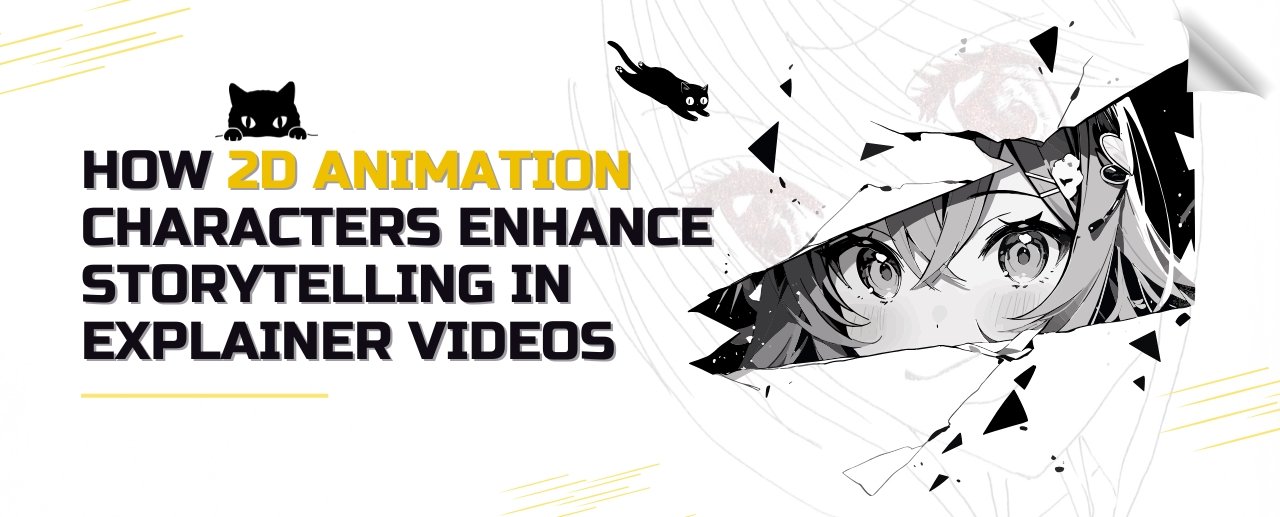
How 2D Animation Characters Enhance Storytelling in Explainer Videos

Introduction 

How many of you enjoyed comic books in childhood? Do you still remember that large character (Sabu) from Chacha Chaudhary? 

This is the magic of animated characters. They can easily leave an indelible mark in our memory (if not lives) in many ways. 

This is why big brands have used character animation strategically. With our eyes closed, we can all visualize the Amul Girl dancing happily with a piece of bread in her hand, her appealing eyes asking to spread the butter over her bread. 

As of now, I hope you understand the power of character animation. In this blog, we have explained why 2D animation characters should stand at the center stage of an explainer video. Happy reading.

What Are 2D Animation Characters? 

2D animation characters are flat, two-dimensional figures brought to life through sequential images. By displaying these images rapidly, they create the illusion of movement. This technique has been a staple in storytelling, from classic cartoons to modern digital media.

In marketing, 2D animated characters offer a unique advantage. Their engaging and relatable nature can simplify complex ideas, making them more accessible to audiences. This approach captures attention and improves brand recognition and emotional connection with consumers. By incorporating 2D animation, businesses can effectively convey their messages in a memorable and impactful way.

A professional animation explainer video maker now uses AI-powered tools for creating 2D animation characters that help break down complex ideas simply and engagingly. These videos make it easier for your audience to understand your message and connect with your brand.

We still associate the respective popular brands with these 2D animation characters; the Cheetah from the Chester Cheetah, the Surf Excel Girl, the Nirma Girl, and many others. 

Now, let’s understand how these characters play such crucial roles in enhancing storytelling in explainer videos that you can even increase sales using 2D animation characters.

How 2D Animation Characters Enhance Storytelling in Explainer Videos

From reflecting emotions related to real-life challenges or wins just like humans do, to making the animated scenario so relatable that consumers can’t help but imagine themselves in the shoes of the 2D animation characters. 

There are so many nuanced ways an animation character enhances storytelling in explainer videos.   

1. Adds Humor and Fun

2D animated characters bring a playful and humorous element to explainer videos, making the story more engaging. Through fun and exaggerated scenarios, these characters make complex ideas easier to understand while keeping the audience entertained. This light-hearted approach ensures that the story is not only informative but also memorable.

    You can understand this clearly in the video that we created for MSP Bandhan to infuse an intended pun into their loyalty program.  

    2. Generates Empathy and Emotions

    The emotional connection created by 2D animated characters is key to enhancing storytelling. These characters can express a wide range of emotions, making it easier for the audience to relate to the story. Whether they’re feeling happy, nervous, or excited, the audience experiences these emotions through the characters, making the story more impactful and encouraging viewers to take action.

      This video highlights the comfort of Darzee Ortho mattresses through our 2D explainer animation shows characters that viewers easily empathize with. 

      3. Helps Viewers Relate

      When animated characters reflect the audience’s personal experiences, it strengthens the storytelling. Viewers can see themselves in the characters, making it easier to connect with the message. By customizing these characters to resemble the target audience, the story becomes more relatable, making the brand’s message clearer and more persuasive.

        As a professional animation explainer video maker, we created an explainer animation for the MITHRON [Me & Drone] app to promote its features featuring characters of farmers that targeted customers could relate to directly and comprehend the message.

        4. Simplifies Complex Ideas

        2D characters are excellent at breaking down complex concepts into simple, visual stories. By demonstrating how a product or service works, these characters help clarify intricate details that would be hard to explain through words alone. This simplification allows the audience to quickly grasp the story, making it more effective in conveying key information.

          We crafted another explainer video featuring 2D characters to simplify the bulk email composition of the MSB app that shows the step-by-step process of the feature that was otherwise a little complex to explain. 

          5. Builds Trust

          Trust is vital for any brand story, and 2D animated characters help establish it in a friendly, approachable way. These characters create a sense of familiarity and comfort, which builds a connection with the audience. As the characters guide viewers through the story, trust in the brand grows, making the story feel authentic and reliable.

            As we are a professional animation explainer video maker from Kolkata, we knew how to use characters in this video to visually explain the concept of digital farming.

            6. Makes Your Story Engaging

            Storytelling is at the heart of every explainer video, and 2D animation brings it to life. The flexibility of 2D characters allows you to craft unique stories that capture the viewer’s attention. Whether through a journey or a problem-solving scenario, animated characters keep the narrative exciting, ensuring that the viewer stays engaged from start to finish.

              In this video, we crafted 2D animation characters out of two non-living objects to make the scaffolding safety more easily communicated to the target audience which enhances the visual storytelling. 

              This is a common trait of an experienced animation explainer video maker, and we crafted another explainer video for Car-O-Bar in which the characters engaged viewers till the end to show them the ultimate solution.

              7. Endless Creative Possibilities

              The creativity that 2D animated characters bring to storytelling is endless. You can design characters that visually represent the brand’s personality and narrative in creative, out-of-the-box ways. This freedom allows the storyteller to visually express abstract ideas, making the overall story more dynamic and interesting.

                Our Cputek team loves to experiment and play around with the common stuff in new ways. In another animation explainer video, we crafted two characters namely Donald and Ronald to present a business transformation story that viewers were able to relate directly. 

                FAQs

                1. Are animated explainer videos effective?

                Animated explainer videos are highly effective. They combine both visual and auditory elements, and lively characters, making it easier for viewers to understand and retain the message. Studies show that when both senses are engaged, retention increases significantly. 

                These videos are also more engaging, helping brands explain complex concepts simply and effectively, which leads to higher conversion rates. Brands like Dropbox and Crazy Egg have seen substantial increases in conversions thanks to their explainer videos.

                2. Why is 2D character animation a popular choice for brands?

                2D character animation is popular because it offers flexibility and creativity, allowing brands to design unique characters that express personality and emotions. It is cost-effective and requires fewer resources than 3D animation, making it an efficient choice. Plus, its timeless, nostalgic appeal helps brands connect with a wide audience and evoke strong emotional responses.

                3. What is character animation used for?

                Character animation is used to bring movement and life to characters, helping to tell stories compellingly and engagingly. It is widely used in marketing, entertainment, and educational content to simplify complex ideas, evoke emotions, and make the message more relatable and memorable. By adding personality and action to characters, animation enhances the effectiveness of explainer videos and other visual storytelling mediums.

                Conclusion 

                So, there you have it! Who knew those flat little cartoon folks could pack such a punch?

                2D animated characters are like the superheroes of explainer videos. They swoop in and rescue your message from the clutches of boredom! They make us laugh, they make us feel things, and they even help us understand those brain-twisting ideas.

                Think of them as your tiny, animated salesforce, building trust and making your brand the coolest kid on the block.  And the best part?  With 2D animation, your imagination is the limit! You can create a whole world of wacky characters and tell stories that stick in people’s minds like that catchy jingle you can’t get rid of (you know the one!).

                So, if you’re looking to give your explainer videos a serious boost of awesomeness, jump on the 2D animation bandwagon. It’s fun, it’s effective, and it might just turn your viewers into raving fans. Now go forth and animate! And if you need professional guidance or even consultation regarding how to do it, think of Cputek. Your go-to animation explainer video maker who is just an email or phone call away. Here’s to a new year full of growth. Cheers!

                Why More Brands Are Choosing Explainer Videos to Tell Their Story

                Introduction 

                Have you ever experienced a picture or a video sometimes communicating better than words? Well, explainer videos do this job so well that your target audience loves consuming more of that, eventually converting them into paying customers.

                While 60%+ businesses prefer explainer videos, more than 80% of B2B businesses use these videos to better explain their product or services. Not only that, but 76% of marketers believe that explainer videos also convert customers easily, increasing sales.

                There are more benefits of using explainer videos than you can imagine. In this blog, we have highlighted 7 key reasons why explainer videos will stand out even in 2025 and be the most preferred choice by brands, followed by tips to make better videos. Stick around. 

                7 Reasons Why More Brands Are Choosing Explainer Videos to Tell Their Story

                In 2025, explainer videos will be more cost-effective, versatile, and powerful tools for building connections, simplifying messages, and driving conversions because of generative AI. We have explained below a few key reasons why brands and their customers both love them.

                1. They Build Trust and Credibility

                Explainer videos allow brands to introduce themselves in an authentic, relatable way. For example, the video Vidico created for Zeelo immediately grabs attention by addressing a common problem and providing solutions, which builds trust. When your audience feels understood, they’re more likely to connect with your brand and its offerings.

                They Increase Brand Recognition

                Explainer videos help you engage your audience while showcasing your unique value. By incorporating these videos into your marketing, like our video for Car’O’Bar, you not only increase user engagement but also leave a lasting impression. This leads to better brand recall and customer loyalty.

                3. They Are Versatile Across the Sales Funnel

                From introducing your brand to nurturing leads, explainer videos fit every stage of the customer journey. For instance, a testimonial video can show how such videos can highlight success stories while building confidence in prospective clients and guiding them toward a purchase.

                4. They Simplify Complex Concepts

                  If your product or service is technical or intricate, explainer videos can break it down. JustCall’s collaboration with Hubspot showcased how their video simplified a potentially overwhelming concept, helping customers grasp their value more easily. Clear explanations translate to better customer understanding and conversions.

                  5. They Boost SEO and Website Traffic

                    Embedding explainer videos on your website can enhance engagement and boost search rankings. Google prioritizes content that retains users longer. UpSend’s video demonstrates this by making their offerings concise yet captivating, increasing time spent on their site and driving organic traffic.

                    6. They Engage Emotionally

                      Using storytelling and visuals, explainer videos build emotional connections. Our video on men’s day resonates by reflecting emotions that men can have too, along with relatable scenarios. This approach enhances customer loyalty and makes your brand memorable.

                      7. They Enhance Brand Personality

                        Explainer videos highlight your brand’s unique style and values. Hound Studios’ outdoor brand video used storytelling to convey a likable brand personality. This approach not only differentiates you from competitors but also ensures your audience resonates with your values.

                        6 Tips for Making Your Explainer Video Stand Out

                        As one of the best animation companies in Kolkata, we always make sure to follow these tips while creating explainer videos for our clients. Surely these tips will make your video loved by your customers.  

                        1. Know Your Audience Like the Back of Your Hand

                        Your video will only click with people if it feels like it’s made just for them. Research what they care about, the problems they’re trying to solve, and how they like to engage with content. Put extra effort into your research, and take ideas from surveys, social media comments, or even keyword searches to find out. 

                        When you address their exact needs, you do not just create a video, you build strong connections with customers. 

                        2. Use Storytelling to Simplify and Connect

                        People love a good story, especially one that reflects their experiences. A compelling narrative not only simplifies complex ideas but also makes your video more relatable and memorable. 

                        For example, start with a relatable problem, show how your product or service solves it, and end with a positive transformation. Stories don’t just sell, they inspire trust and emotion.

                        3. Invest in Professional Sound and Visuals

                        Ever clicked away from a video with bad sound or shaky visuals? Exactly. High-quality visuals and crisp audio show that you care about your content and, by extension, your audience. Use smooth animations, clear narration, and balanced sound design to create a polished experience. Viewers are more likely to stick around and remember your brand when the video feels professional.

                        4. Build on What the Data Tells You

                        The beauty of digital marketing is the data it provides. Check where viewers drop off in your videos, which parts they rewatch, and what grabs their attention. Use these insights to refine your approach. Maybe it’s shortening the intro or reworking the CTA. Data lets you tweak until your video delivers exactly what your audience needs.

                        5. Keep Your Brand Front and Center

                        Your video isn’t just telling a story, it’s showcasing your brand. Stick to your brand colors, fonts, and tone throughout the video. From the first second to the last, the viewer should feel like your brand is present. This consistency not only builds trust but also makes your content instantly recognizable in the sea of online videos.

                        6. Test, Tweak, and Repeat

                        Before launching your video, show it to a sample of your audience and get their feedback. What did they like? What didn’t hit the mark? Testing lets you fix any weak spots, ensuring your final version shines. Don’t stop there, analyze its performance after launch and use those insights for your next project. Continuous improvement keeps your videos relevant and impactful.

                        What Type of Explainer Video Should You Choose?

                        Choosing the right type of explainer video depends on your industry, target audience, and communication goals. Here are the key types and their use cases:

                        1. Animated Explainer Videos

                        Use Case: Best for simplifying complex ideas or technical concepts. Ideal for industries like technology, finance, or healthcare.
                        Example: JustCall’s collaboration with HubSpot used an animated explainer video to communicate their product’s value. Animated explainer video creators like Cputek excel in delivering visually appealing and effective solutions.

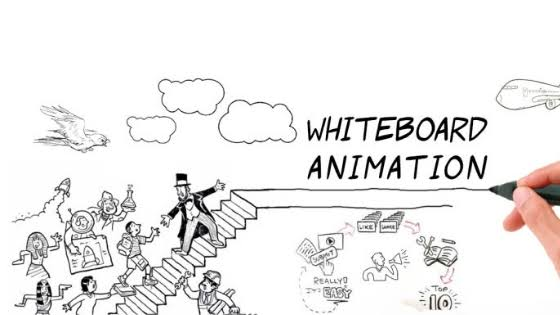
                        2. Whiteboard Animation Videos

                        Use Case: Perfect for educational purposes or when demonstrating processes step-by-step. Commonly used in e-learning, healthcare, and corporate training.
                        Example: Many explainer video companies create whiteboard videos to simplify ideas for audiences, which creates engaging corporate training videos.

                        3. Motion Graphics Videos

                        Use Case: Ideal for industries requiring dynamic and professional visuals, such as software, fintech, B2B services, or even to frame your brand story.
                        Example: Cputek, a top-tier animated explainer video maker, produced a motion graphics video for an enterprise solution, making complex services understandable and appealing.

                        4. Live-action Explainer Videos

                        Use Case: Builds a personal connection by using real people to convey trust and authenticity. Best for lifestyle, retail, or service-based businesses.
                        Example: Retail brands like Warby Parker use live-action explainer videos to showcase their products and humanize their brand.

                        5. Testimonial Videos

                        Use Case: Adds credibility by featuring real customer stories. Effective for industries like consulting, SaaS, or financial services.
                        Example: M&M Financial Consulting leveraged testimonial videos to build trust and reinforce their brand’s reliability.

                        Collaborating with expert explainer video creators ensures your video aligns with your goals. Whether it’s an animated explainer video or a live-action approach, creative agencies specialize in crafting videos tailored to your needs.

                        FAQs

                        1. What are the benefits of working with animated explainer video creators?

                        Animated explainer video creators simplify complex ideas into visually engaging content. They help communicate technical concepts effectively, making them ideal for industries like technology and healthcare. Companies like Cputek specialize in crafting high-quality animated explainer videos that captivate audiences and drive results.

                        2. How do explainer video companies improve brand visibility?

                        Explainer video companies enhance brand visibility by creating professional, engaging content tailored to your goals. By leveraging tools like SEO-optimized videos and storytelling, marketing companies ensure your videos reach the right audience and boost recognition across platforms.

                        3. Which industries benefit most from hiring an animated explainer video maker?

                        Industries like technology, finance, and healthcare benefit greatly from animated explainer video makers. These professionals produce videos that break down complex information, making it easier for audiences to understand your offerings and connect with your brand.

                        Conclusion

                        Explainer videos are no longer just a trend. Brands are leveraging videos as tools for storytelling to drive results. They simplify complex ideas, build trust, and boost your brand’s personality while engaging audiences emotionally and strategically throughout the customer journey. 

                        As we step into 2025, their versatility, cost-effectiveness, and impact will only grow stronger, especially with the advancements in generative AI.  

                        Brands are choosing explainer videos because they work. Whether it’s increasing website traffic, improving customer understanding, or creating emotional connections, these videos deliver tangible results that words alone often can’t achieve.

                        By following the tips outlined in this blog and selecting the right type of explainer video for your audience, you can craft content that captivates, informs, and converts. So why wait? Start telling your brand story through explainer videos today, if overwhelming, take the help of explainer video creators, and watch your business thrive in a world where visual storytelling rules.

                        Neque porro quisquam est, qui dolorem ipsum quia dolor sit consectetur, aliquam quaerats voluptatem. Ut enim ad minima veniam, exercitationem laboriosam, nisi ut aliquid ex ea autem velit esse quam nihil

                        address CPUTEK PRIVATE LIMITED
                        80, Vidyasagar Sarani
                        Purba Barisha Kolkata – 700008
                        call now 8013920772
                        Let's Talk