By day I create engaging content along with infusing high-volume, low-competition keywords strategically so that it gets loved by you and Google Crawler. Off the clock? I scroll for fresh ideas. (Don't judge, gotta fuel the creativity!)
By day I create engaging content along with infusing high-volume, low-competition keywords strategically so that it gets loved by you and Google Crawler. Off the clock? I scroll for fresh ideas. (Don’t judge, gotta fuel the creativity!)
3D animation and VFX make advertisements more immersive and visually unforgettable. From jaw-dropping car commercials to lifelike product demonstrations, these techniques bring ideas to life in ways that capture attention and leave a lasting impression on audiences. These techniques are particularly effective for explaining complex ideas, enhancing storytelling, and creating memorable content.
In this blog we will explore some of the most iconic 3D animation and VFX-driven product ads and understand why they stand out.
Top 20 3D Animation and VFX-Driven Product Ads of All Time
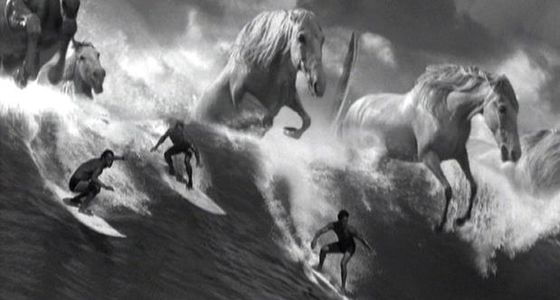
1. Guinness ‘Surfer’
This ad is one of the most celebrated commercials in history. It features a group of surfers waiting for the perfect wave, which eventually turns into galloping white horses. The seamless integration of VFX with real footage made it a masterpiece. The visuals symbolize the idea of waiting for something great, perfectly aligning with the brand’s message.
Why It Stands Out: This ad shows how VFX can transform a simple concept into something visually poetic.
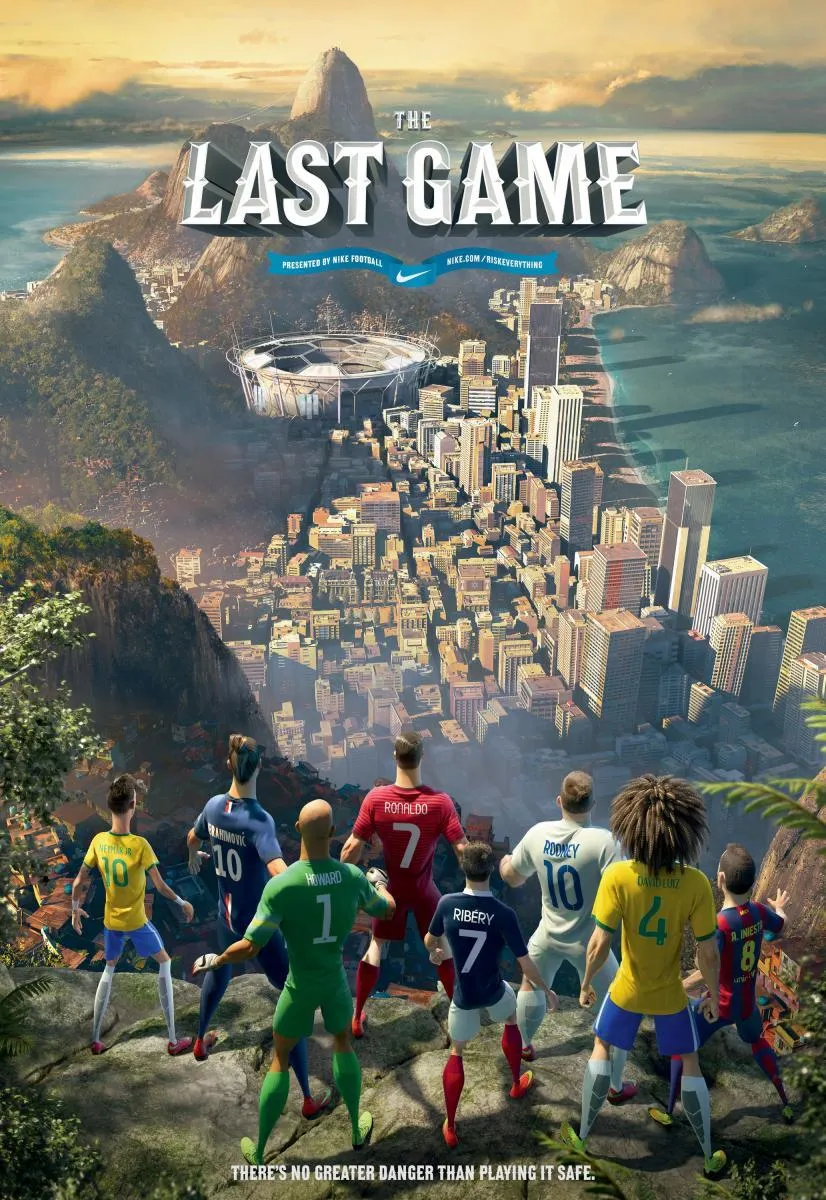
2. Nike ‘The Last Game’
Nike’s animated ad for the 2014 FIFA World Cup tells a futuristic story of cloned footballers and their robotic precision. The original players, depicted as animated characters, must prove that creativity and flair are what make football beautiful.
Why It Stands Out: Nike combined 3D animation with a compelling narrative, using beloved football icons like Cristiano Ronaldo and Neymar to engage fans.
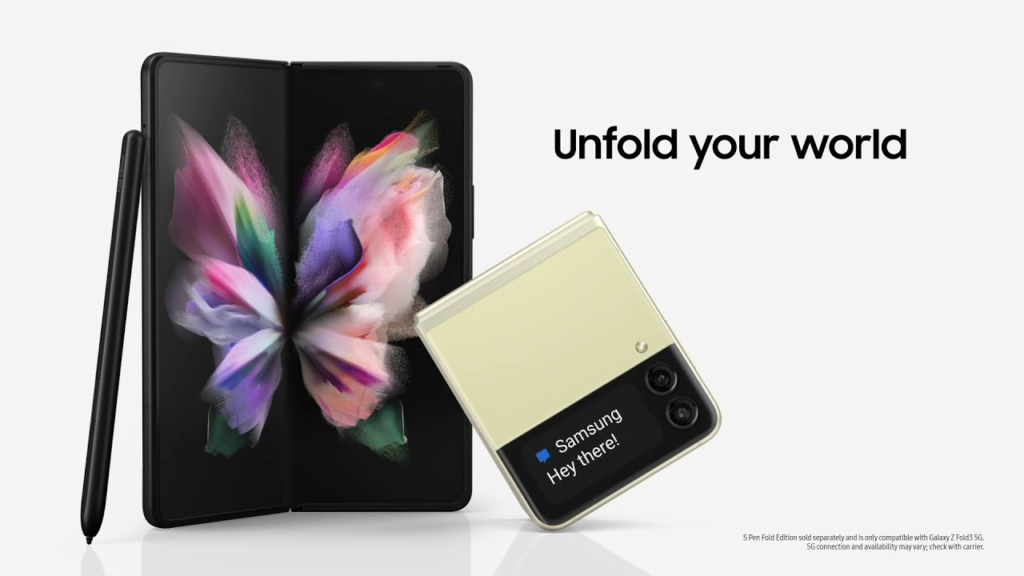
3. Samsung Galaxy Z Flip3 – ‘Unfold Your World’
Samsung’s ad for the Galaxy Z Flip3 smartphone used sleek 3D animations to demonstrate the phone’s folding capabilities. The visuals highlighted its innovative design while showcasing practical use cases.
Why It Stands Out: The ad used animation to simplify and highlight a complex piece of technology, making it easy for viewers to understand the product’s unique feature.
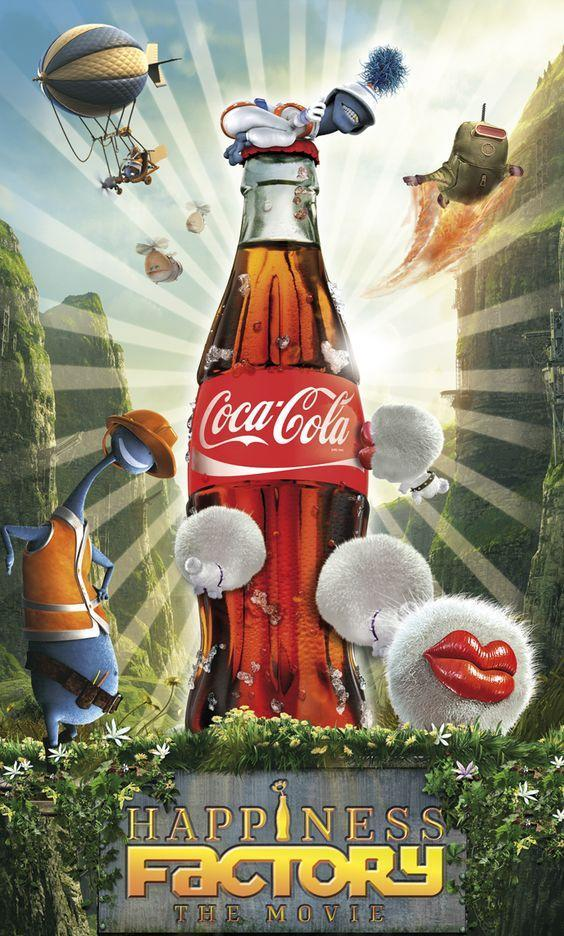
4. Coca-Cola ‘Happiness Factory’
This ad took viewers on a whimsical journey inside a Coca-Cola vending machine. It depicted a magical world where animated creatures worked together to create the perfect bottle of Coke.
Why It Stands Out: The colorful 3D animation captivated audiences and made the brand feel more approachable and fun.
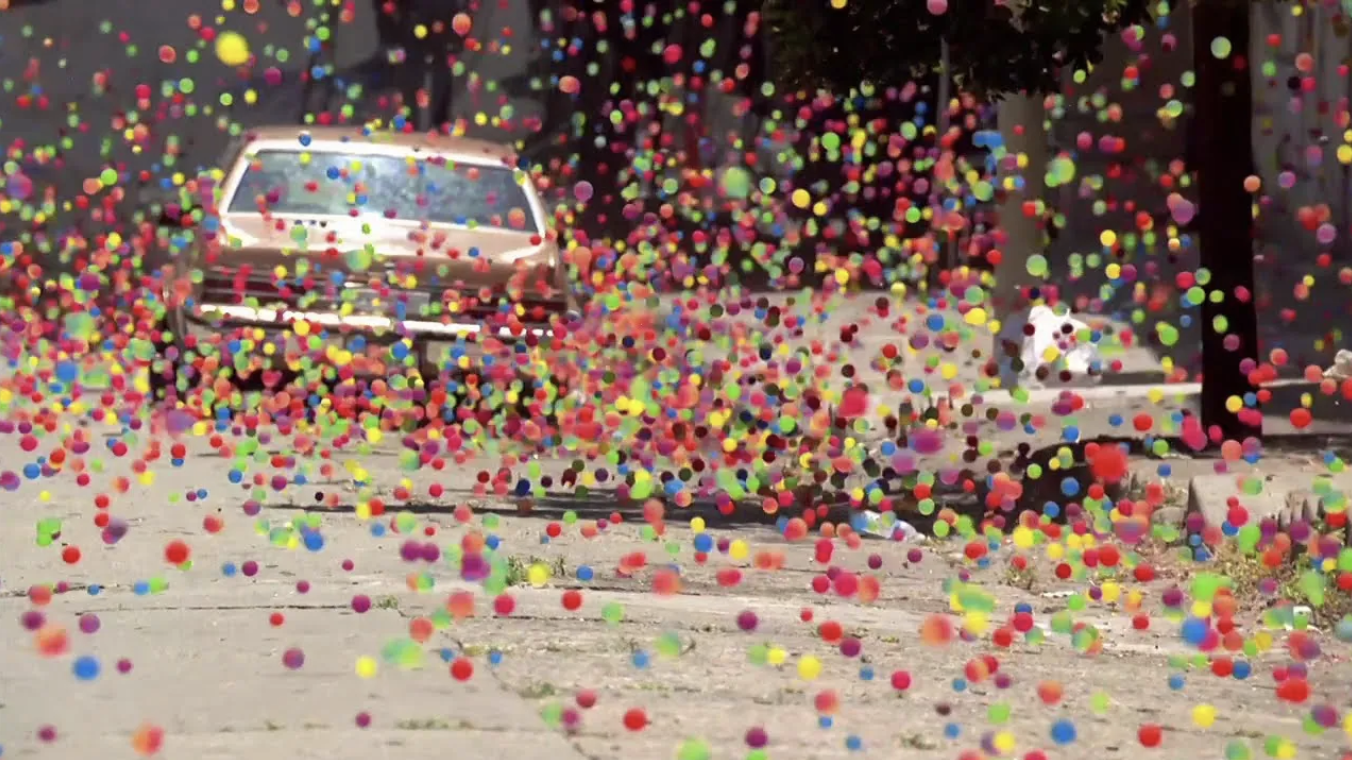
5. Sony Bravia ‘Balls’
While not strictly 3D animation, this ad used VFX to make thousands of colorful balls bounce down the streets of San Francisco. The visuals were paired with a soothing soundtrack, creating a mesmerizing experience.
Why It Stands Out: It shows how VFX can turn a simple concept into something unforgettable, aligning perfectly with Sony’s tagline, “Color like no other.”
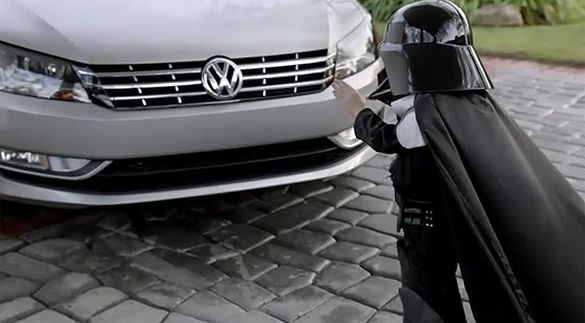
6. Volkswagen ‘The Force’
This commercial features a child dressed as Darth Vader trying to use “The Force” to control a Volkswagen Passat. The ad used subtle VFX to create the illusion of the car responding to the child’s actions.
Why It Stands Out: The combination of humor, storytelling, and visual effects made this ad a global sensation.
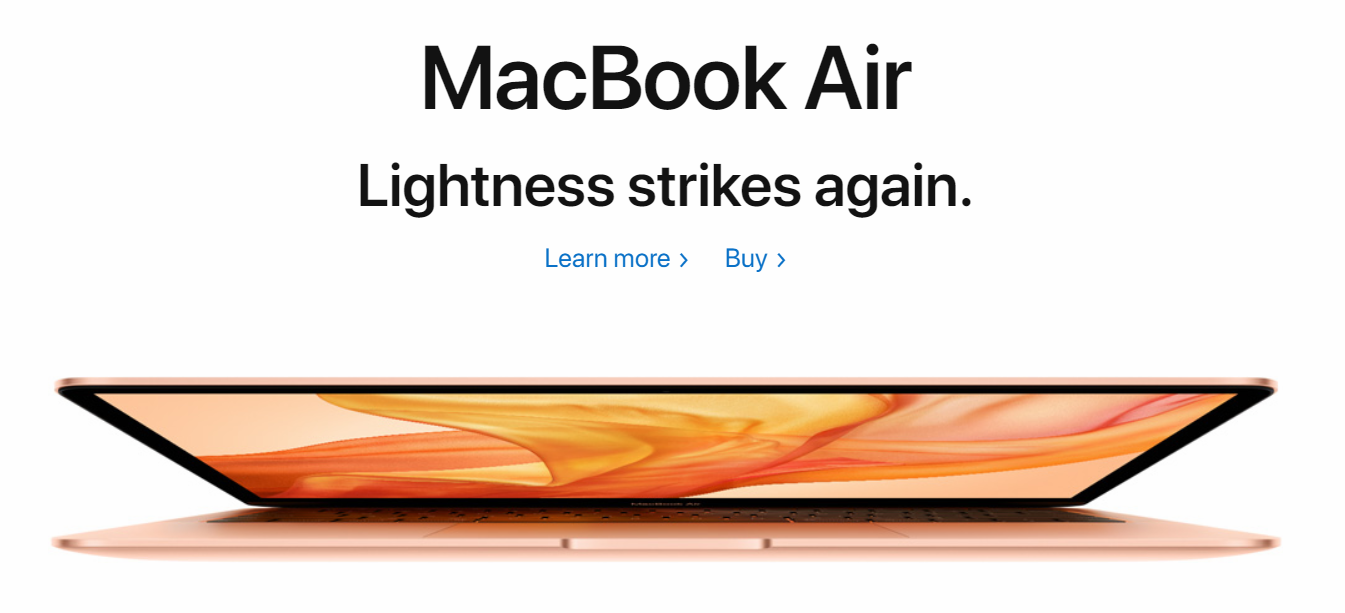
7. Apple ‘MacBook Air – Lightness’
Apple’s commercial for the MacBook Air showed the laptop being opened and closed repeatedly, floating in an ethereal white space. The use of 3D animation emphasized the product’s lightness and sleek design.
Why It Stands Out: The minimalistic yet impactful visuals made the product the hero of the ad.
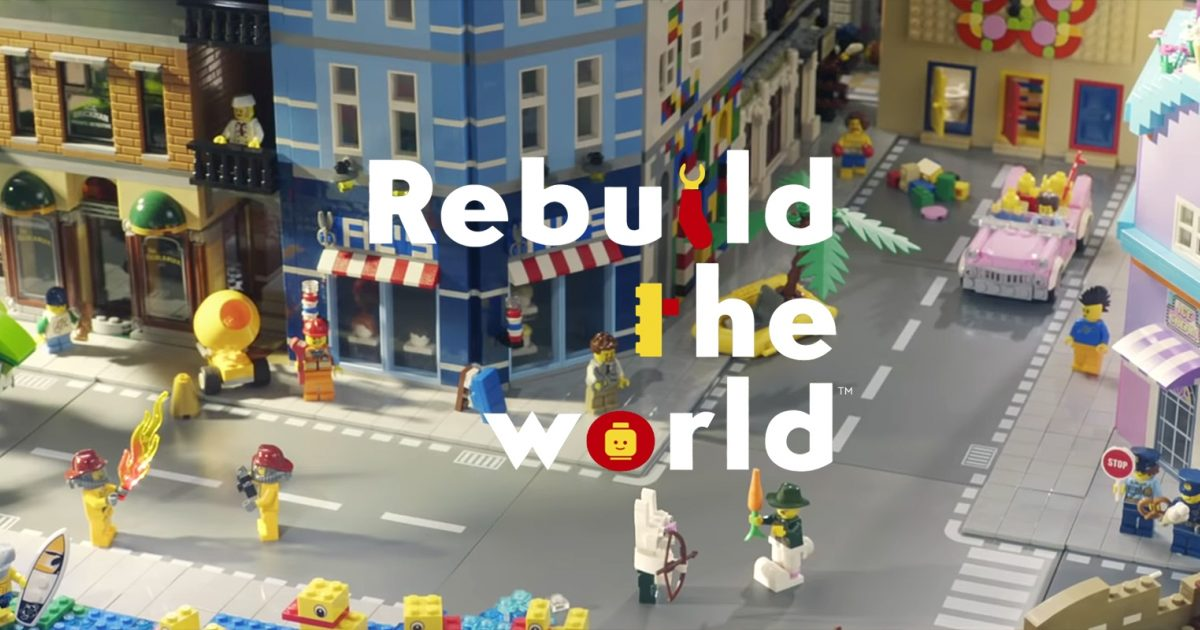
8. Lego ‘Rebuild the World’
This campaign celebrated creativity and imagination by showing a series of intricate Lego creations coming to life in a vibrant, animated world.
Why It Stands Out: The ad combined stop-motion techniques with 3D animation to create a seamless and visually stunning experience.
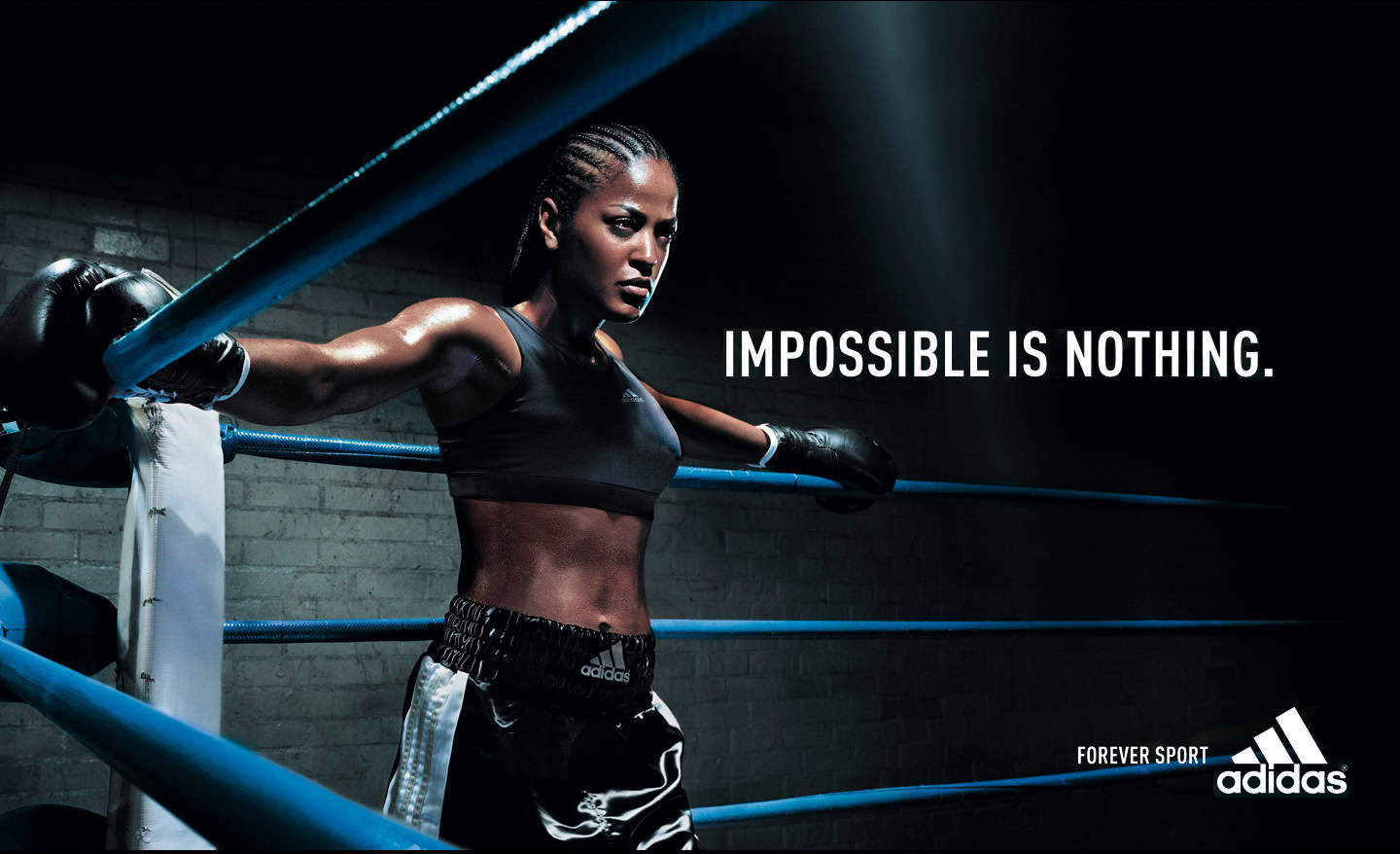
9. Adidas ‘Impossible Is Nothing’
Adidas’s campaign featured a mix of live-action footage and VFX to show athletes overcoming extreme challenges. The ads often used surreal visuals, like athletes running through impossible terrains or performing superhuman feats.
Why It Stands Out: The use of VFX helped to amplify the brand’s message of pushing boundaries.
10. John Lewis ‘The Bear and the Hare’
This holiday ad combined hand-drawn animation with 3D techniques to tell a heartwarming story of a bear experiencing Christmas for the first time. The visuals were paired with a touching soundtrack, making it emotionally impactful.
Why It Stands Out: It’s an excellent example of how animation can evoke strong emotional connections with viewers.
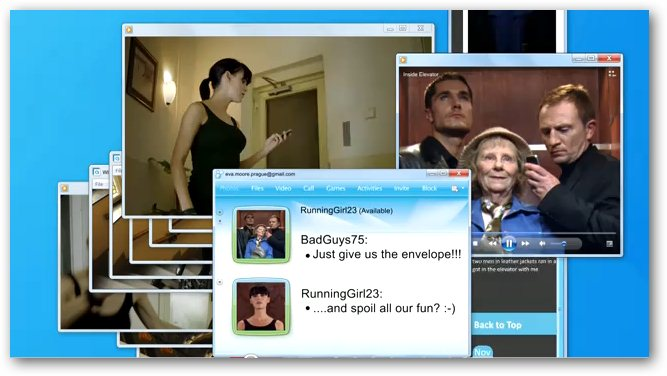
11. Intel ‘The Chase’
This ad for Intel’s processors cleverly depicts a high-speed chase that takes place within a computer desktop. Various software windows become part of the chase scene, showcasing Intel’s processing power.
Why It Stands Out: The ad uses VFX to creatively highlight the product’s performance, making technical features relatable and fun.
12. Old Spice ‘The Man Your Man Could Smell Like’
This ad became a cultural phenomenon, featuring seamless transitions made possible by clever VFX. The actor moves through multiple scenes without a single cut, emphasizing Old Spice’s versatility and uniqueness.
Why It Stands Out: VFX and precise editing make the transitions look effortless, enhancing the ad’s humor and appeal.
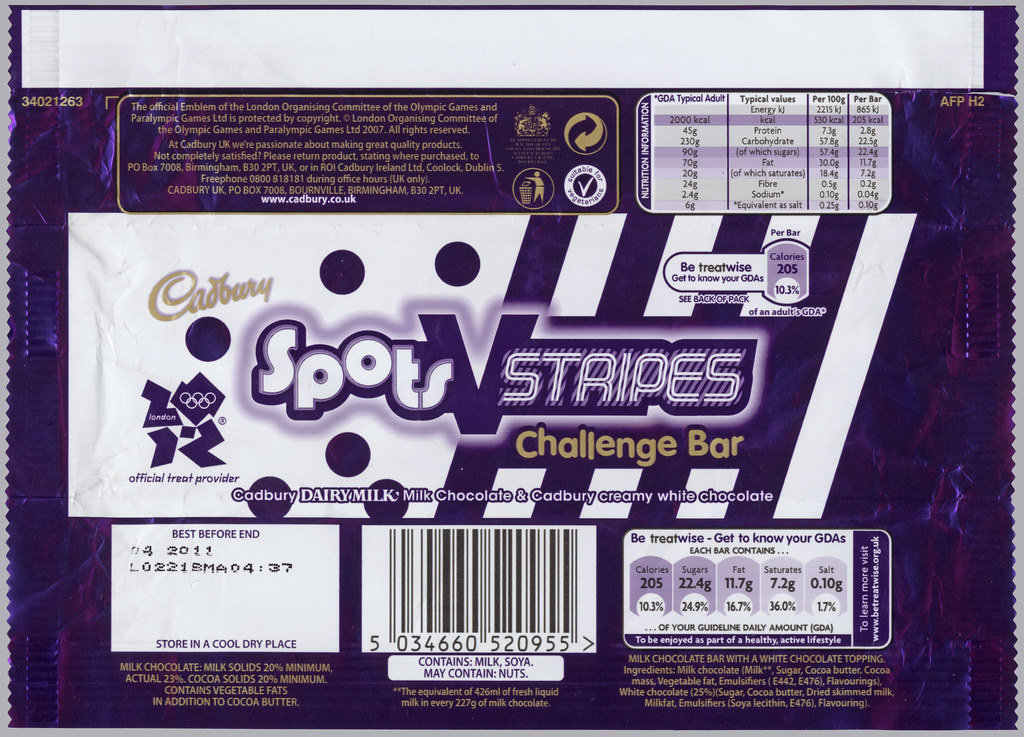
13. Cadbury ‘Spots v Stripes’
Cadbury used playful animations to show a fun rivalry between spots and stripes, aligning with the brand’s theme of joy and togetherness.
Why It Stands Out: The ad used 3D animation to create a cheerful and colorful world that reflects Cadbury’s brand values.
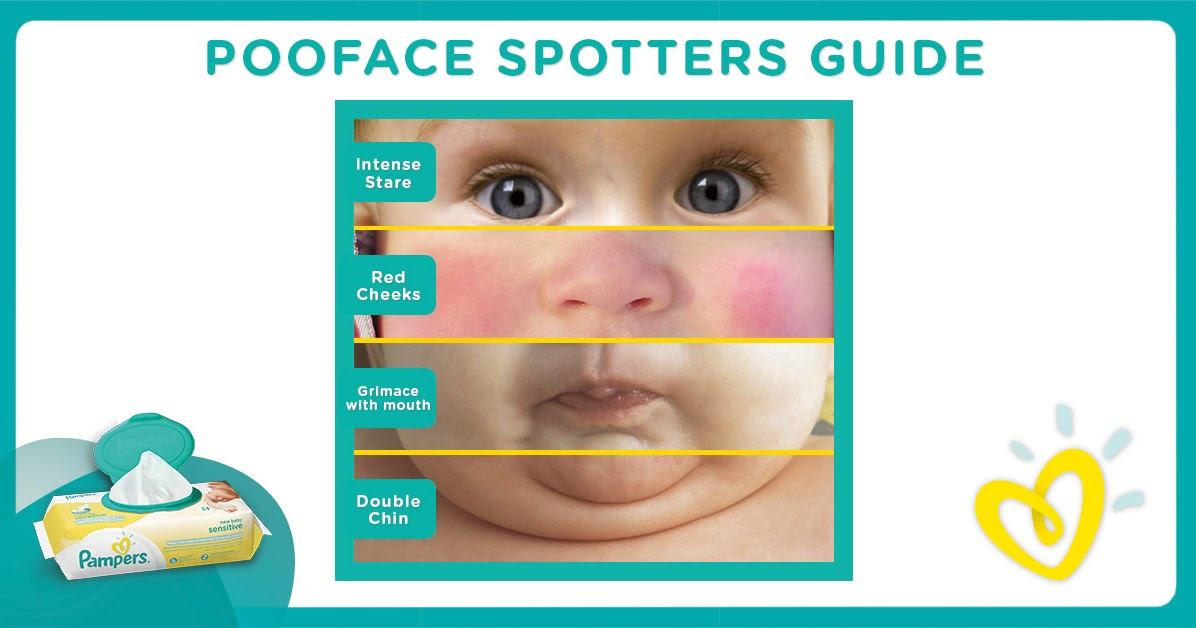
14. Pampers ‘Pooface’
This humorous ad features a series of slow-motion baby expressions combined with playful 3D graphics. It uses animation to emphasize the brand’s focus on comfort and care.
Why It Stands Out: Combining humor with relatable moments makes the ad unforgettable, especially for parents.
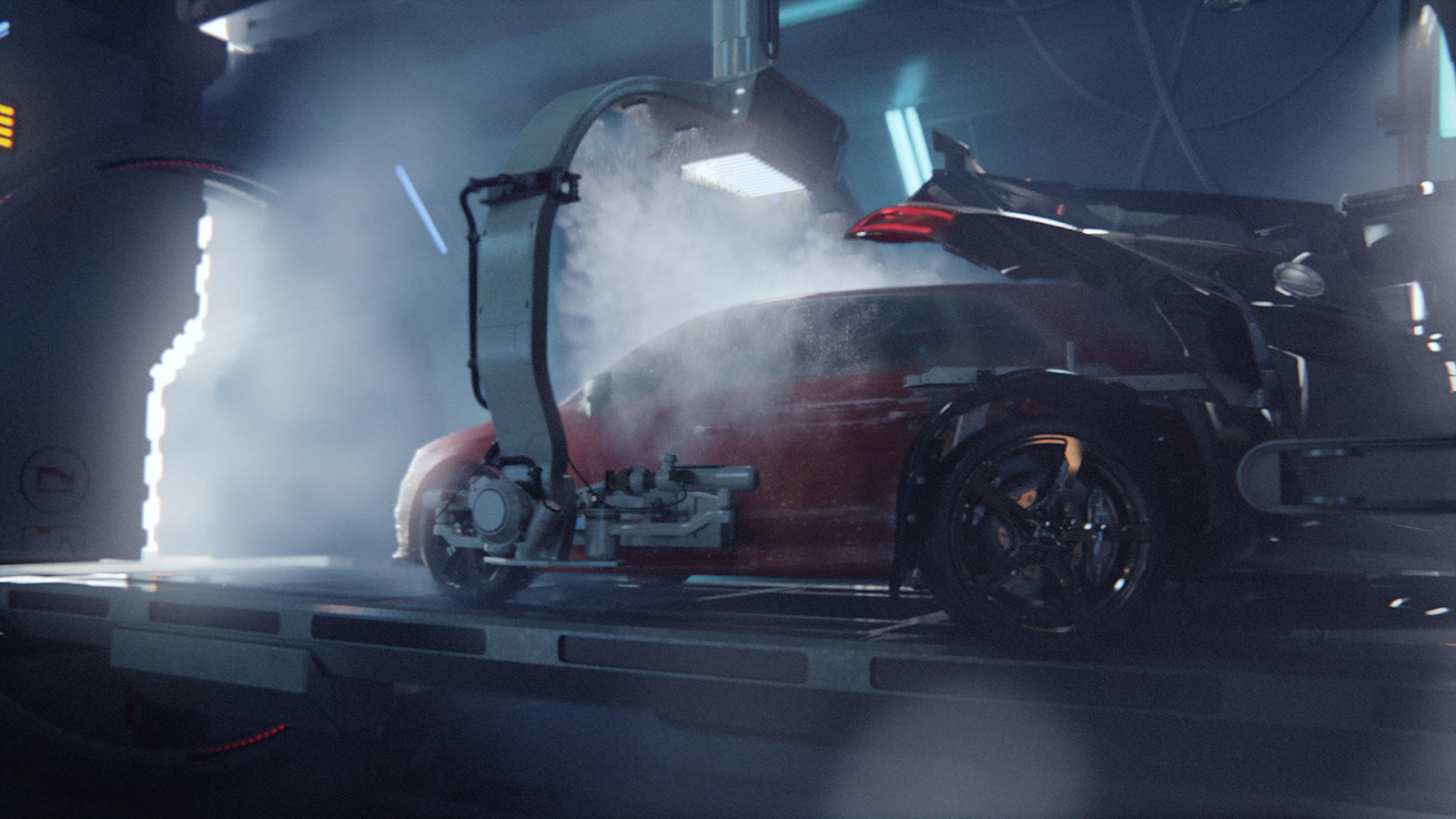
15. Audi ‘Birth’
Audi’s VFX-driven ad shows the “birth” of its latest car model in a futuristic factory setting. The visuals depict the car being assembled in an almost organic, lifelike manner.
Why It Stands Out: The ad uses VFX to blur the line between machines and art, reinforcing Audi’s reputation for innovation and design.
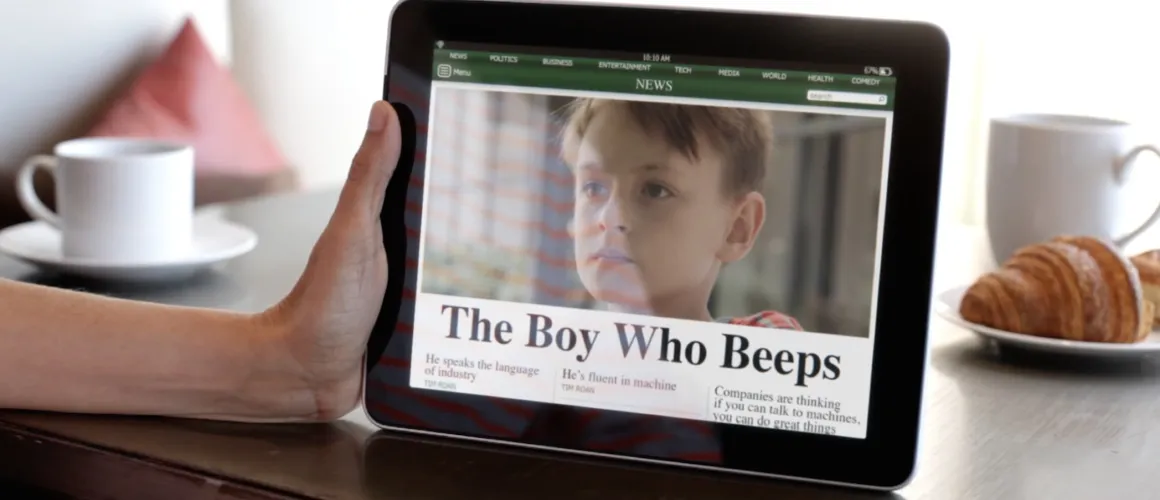
16. GE ‘The Boy Who Beeps’
This ad tells the story of a boy who communicates with machines through beeps. The use of VFX creates a magical atmosphere, highlighting GE’s technological advancements.
Why It Stands Out: The narrative and visuals emphasize GE’s innovation in a relatable and heartwarming way.
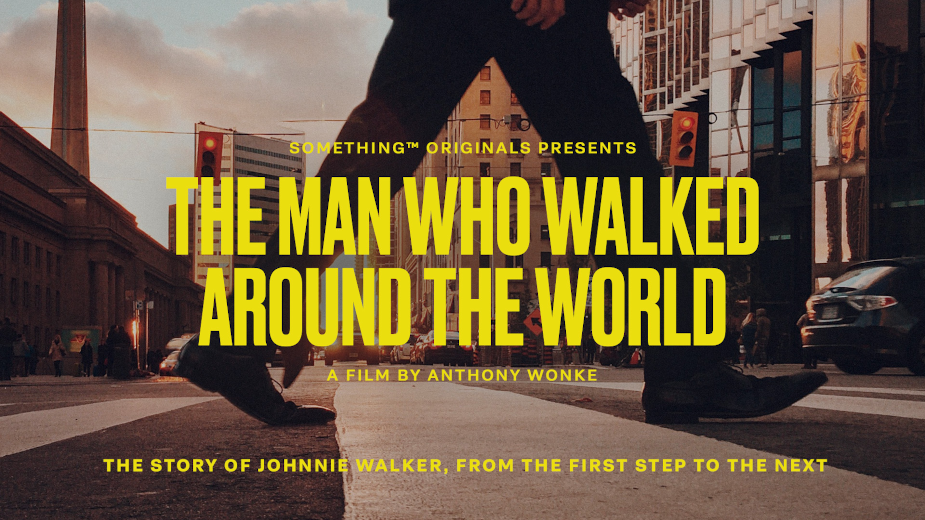
17. Johnnie Walker ‘The Man Who Walked Around the World’
This ad features a single-shot scene of a man walking and narrating the history of Johnnie Walker. Subtle VFX enhances the storytelling, making it visually engaging.
Why It Stands Out: The ad’s simplicity, combined with effective visual effects, makes it a masterpiece of storytelling.
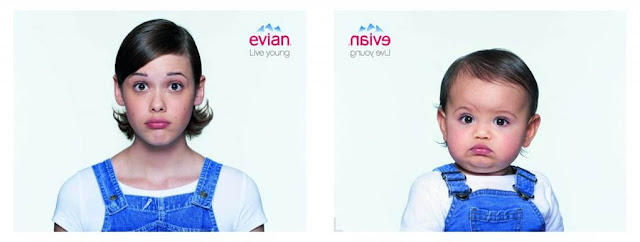
18. Evian ‘Baby & Me’
Evian’s ad features adults looking into mirrors and seeing baby versions of themselves dancing. VFX plays a crucial role in creating this amusing and heartwarming concept.
Why It Stands Out: VFX seamlessly blends live-action footage with animated elements, creating a fun and engaging ad.
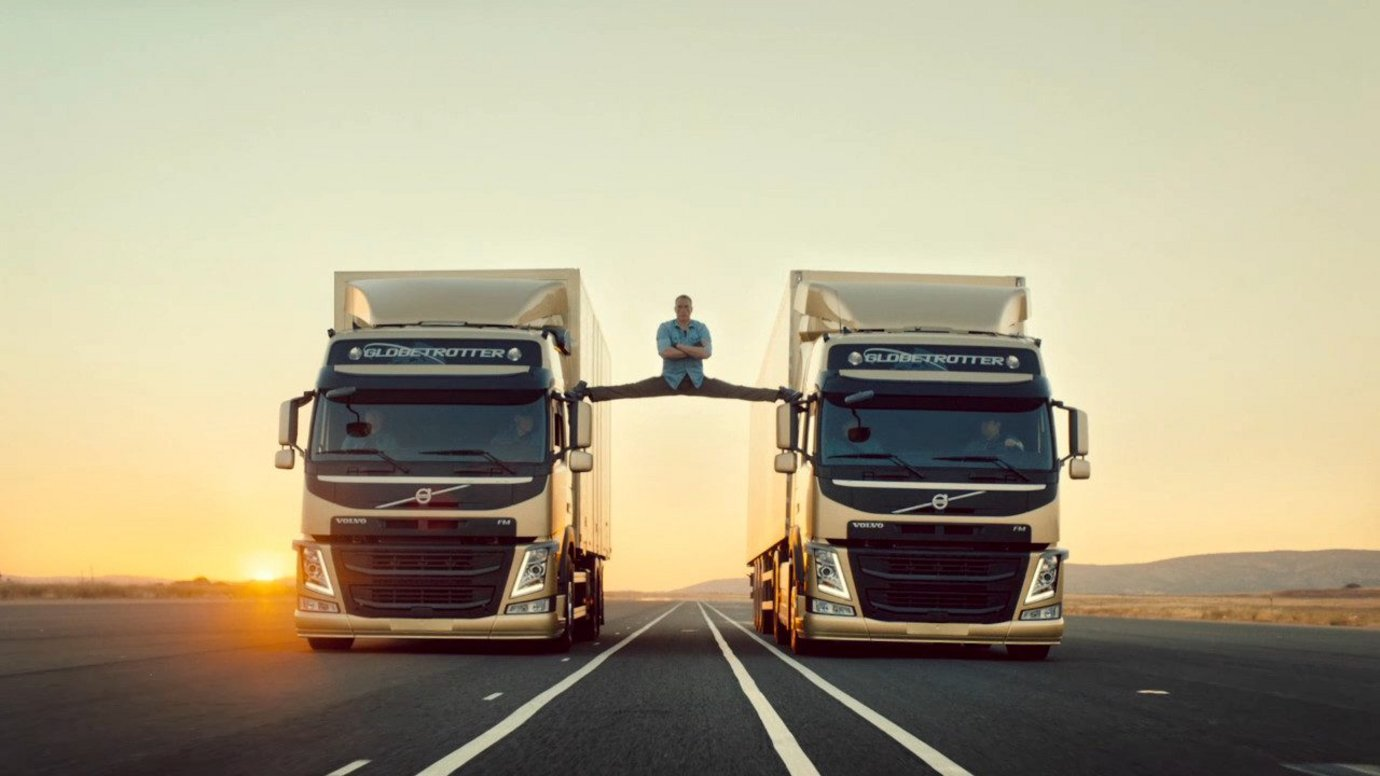
19. Volvo Trucks ‘The Epic Split’
This iconic ad shows Jean-Claude Van Damme performing a split between two moving trucks. VFX enhances the visuals, ensuring safety while maintaining realism.
Why It Stands Out: The ad demonstrates precision and strength, aligning perfectly with Volvo’s brand values.
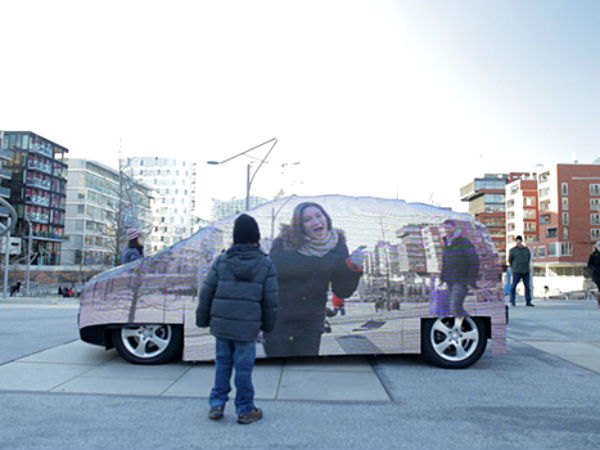
20. Mercedes-Benz ‘Invisible Car’
Mercedes used VFX to create the illusion of an “invisible” car to highlight its zero-emissions technology. The car was covered with LED panels displaying images of its surroundings, making it blend into the background.
Why It Stands Out: This creative use of VFX reinforces Mercedes’ commitment to sustainability.
The Role of 3D Animation and VFX in Shaping Product Advertising
1. Emotionally Engaging Content
One of the key strengths of 3D animation is its ability to evoke emotions. Ads like Coca-Cola’s “Happiness Factory” and John Lewis’s “The Bear and the Hare” tug at viewers’ heartstrings by combining meaningful storytelling with stunning visuals. Emotionally engaging ads create a strong connection with audiences and enhance brand loyalty.
2. Customizability and Flexibility
With 3D animation, there are no physical limitations. Brands can create any setting, character, or scenario they imagine. This flexibility allows animated explainer video makers to tailor their content to specific target audiences. For example, a health-tech company can demonstrate complex medical procedures through an explainer video without using real-life surgeries.
3. Cost-Efficiency for Long-Term Use
Although creating a high-quality 3D animated ad can be expensive initially, it often proves cost-effective in the long run. Digital assets created for one campaign can be repurposed for multiple platforms, such as social media, websites, and presentations. Animation companies in Kolkata often provide scalable solutions for brands looking for budget-friendly, high-quality ads.
4. Cross-Platform Adaptability
3D animations and VFX-driven ads work seamlessly across various platforms, including TV, websites, and social media. Their adaptability ensures consistent branding and messaging, no matter the medium.
Why 3D Animation Matters in Product Ads?
1. Precision and Clarity
Animation can simplify complex ideas. For example, a brand selling a new type of smartwatch can use a 3D animated explainer video maker to show how the product tracks health metrics or connects to other devices.
2. Memorability
Ads with stunning visuals tend to stick in viewers’ minds. For instance, Coca-Cola’s “Happiness Factory” is still remembered for its imaginative use of animation.
3. Versatility
Animation is suitable for any industry, from automotive to healthcare. Explainer video companies specialize in crafting content that fits diverse sectors and target audiences.
4. Increased Engagement
Studies show that animated ads often have higher engagement rates compared to traditional ads. This is because they are visually rich and entertaining.
Technical Steps in Creating 3D Animation for Product Ads
3D Modeling
This involves crafting digital 3D objects, either by manually sculpting shapes or using photogrammetry to replicate real-world products. For product ads, precise modeling ensures every detail, such as contours, edges, and proportions, mirrors the actual item. Software like Blender, Maya, or ZBrush is commonly used.
Texturing and Shading
Textures provide surface details like colors, patterns, and material properties (e.g., glossiness, roughness). High-resolution textures and shaders, created using tools like Substance Painter, ensure realism, especially in close-ups. Proper UV mapping is critical for aligning textures seamlessly.
Rigging and Motion Design
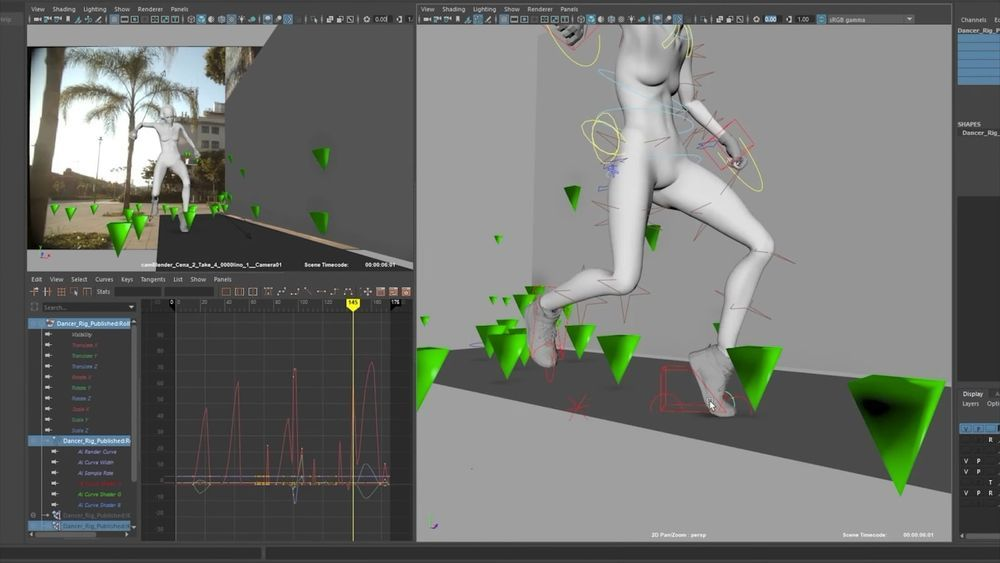
Rigging creates a skeletal framework for 3D models, enabling natural movement. Animators then apply keyframing or motion capture to create fluid motions. Tools like Autodesk Maya are widely used.
Lighting and Rendering
Lighting enhances depth, highlights textures, and sets the mood. Techniques like HDRI lighting create realistic reflections. Rendering engines (e.g., Arnold, V-Ray) convert animations into photorealistic images.
Post-Production and Compositing
In this stage, tools like After Effects or Nuke refine visuals, adding effects like motion blur, color grading, and particle simulations, ensuring the final output aligns with the creative vision.
How to Take Inspiration from Iconic 3D Animation Ads and Improve Your Work
Study Emotional Connection
Iconic ads often evoke emotions that resonate with viewers. For example, Coca-Cola’s Happiness Factory uses a magical world to create joy and excitement. Analyze how these ads build emotional bonds and think about how your content can connect with your audience on a deeper level.
Focus on Storytelling
Strong narratives make ads memorable. Ads like Nike’s The Last Game tell engaging stories that align with brand values. Observe how these ads structure their stories and incorporate a clear beginning, middle, and end into your animations.
Analyze Visual Creativity
The visual style of ads like Apple’s MacBook Air – Lightness showcases the product in innovative ways. Study how these ads use colors, lighting, and animations to make their content stand out, and explore new ways to enhance your visuals.
Observe Seamless Transitions
Ads such as Old Spice’s The Man Your Man Could Smell Like use smooth transitions to keep viewers engaged. Pay attention to how these transitions are designed and practice creating similar fluid movements in your projects.
Learn Technical Excellence
From precise modeling to realistic textures, technical quality is key. Study ads like Samsung’s Unfold Your World for advanced rendering and animation techniques, and focus on improving the technical aspects of your work.
Understand Brand Alignment
These ads are successful because they align perfectly with the brand’s identity. For instance, Volvo’s The Epic Split reflects precision and reliability. Ensure your animation communicates your brand’s core message effectively.
Experiment with Unique Concepts
Ads like Mercedes-Benz’s Invisible Car push creative boundaries. Think beyond traditional ideas and experiment with unique concepts that grab attention while showcasing your product.
Focus on Detail and Realism
High attention to detail makes ads like Audi’s Birth impactful. Study the intricacies of product design, textures, and lighting in such ads to achieve a realistic and polished look.
Learn from Audience Reactions
Iconic ads become memorable because they resonate with their audience. Research what makes these ads appealing to different demographics, and tailor your animations to address your audience’s preferences.
Push Your Creative Limits
These ads inspire creators to think big and take risks. Use them as motivation to step out of your comfort zone, explore new techniques, and continuously improve your craft.
FAQs
1. How can an animation company in Kolkata help with product advertising?
An animation company in Kolkata can create engaging 3D animated ads, explainer videos, and product animations tailored to your brand. They offer cost-effective, creative solutions for businesses of all sizes, ensuring better audience engagement and brand recognition through visually impactful advertisements.
2. What makes a good explainer video maker stand out?
A good explainer video maker simplifies complex ideas into engaging visuals, aligning with your brand and audience. They focus on strong storytelling, high-quality animation, and seamless production, delivering videos that effectively communicate your message and drive results.
3. Why hire an animated explainer video maker for your business?
Hiring an animated explainer video maker helps simplify complex concepts and engage your audience effectively. They create professional, visually appealing videos tailored to your business, boosting engagement, conversions, and brand recognition.
Conclusion
3D animation and VFX have set a new standard in advertising. They enable brands to create content that is not only visually stunning but also emotionally engaging. Whether it’s showcasing a product’s features or telling a captivating story, animation and VFX make it possible to connect with audiences on a deeper level. With experienced animation companies, including many based in Kolkata, brands have access to world-class talent that can bring their visions to life.By leveraging the expertise of explainer video creators, businesses can create ads that stand out in a crowded marketplace. These ads are not cherished for just selling products. They are loved by top animators for creating experiences that audiences remember and cherish.
By day I create engaging content along with infusing high-volume, low-competition keywords strategically so that it gets loved by you and Google Crawler. Off the clock? I scroll for fresh ideas. (Don’t judge, gotta fuel the creativity!)
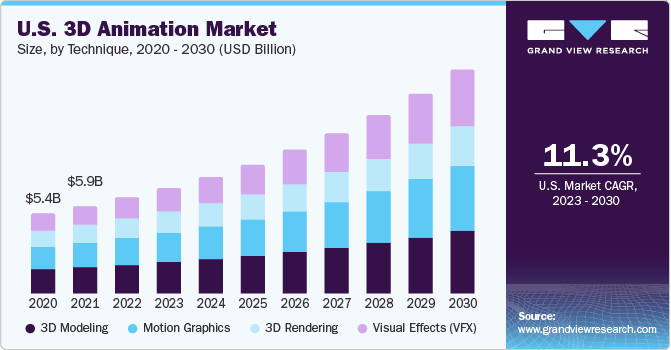
With the rise of online shopping, brands are finding innovative ways to engage consumers, and 3D animation is leading the charge. As consumers increasingly seek engaging and immersive experiences, the demand for high-quality 3D animated content is on the rise. The global 3D animation market was valued at approximately $22.67 billion in 2023, and is projected to grow at a compound annual growth rate (CAGR) of 12.3%, reaching around $51 billion by 2030.
What is 3D Animation?
The process of producing moving visuals in a three-dimensional computer environment is known as 3D animation. Unlike traditional 2D animation, which uses flat images, 3D animation adds depth and realism, allowing for more dynamic storytelling.
Types of 3D Animation
Character Animation: Focuses on animating characters and their movements.
Motion Graphics: Involves animated graphic design elements, often used in marketing and advertisements.
Visual Effects (VFX): Combines live-action footage with computer-generated imagery (CGI) to create stunning visuals.
Architectural Visualization: Used to create realistic representations of buildings and spaces before they are constructed.
The Process of 3D Animation
Modeling: Creating the 3D objects and characters.
Texturing: Applying colors, patterns, and materials to give surfaces a realistic appearance.
Rigging: Setting up a skeleton for characters to enable movement.
Animation: Bringing models to life by defining their movements and actions.
Rendering: Producing the final image or sequence from the animated scene.
Post-Production: Adding effects, sound, and editing to finalize the animation.
The Rise of 3D Animation in Marketing
The rise of 3D animation in marketing is not just a trend; it reflects a significant shift in how brands engage with consumers. Here are some key points and statistics that illustrate this growth:
Expanding Market Size
The global 3D animation market was valued at $22.67 billion in 2023 and is expected to grow at a compound annual growth rate (CAGR) of 12.3%, reaching approximately $51 billion by 2030. This robust growth is driven by the increasing demand for high-quality, realistic visuals across various industries, particularly in entertainment, gaming, and advertising.
Demand for Immersive Content
There is a rising demand for engaging and immersive content, which is propelling the adoption of 3D animation. As audiences seek more interactive experiences, brands are turning to 3D animation to create captivating stories that resonate with viewers. The market size is projected to reach $143.43 billion by 2031, growing at a CAGR of 11.52% from 2024 to 2031.
Technological Advancements
Advancements in technology and software have made 3D animation more accessible and affordable than ever before. The development of user-friendly tools allows even smaller companies to create high-quality animations without needing extensive resources. This democratization of technology has led to an explosion of creativity in the industry, enabling brands to produce fantastical worlds and characters that capture the imagination.
Impact of COVID-19
The COVID-19 pandemic significantly accelerated the adoption of digital solutions, including 3D animation. With traditional marketing channels disrupted, many businesses turned to virtual experiences to connect with their audiences. This shift has fueled demand for 3D animation software, as companies sought innovative ways to engage customers through online platforms.
Growth Across Industries
The use of 3D animation spans various sectors beyond entertainment, including healthcare, education, and architecture. For instance, medical professionals utilize 3D animations to visualize complex procedures and anatomy for training purposes. Similarly, architects use animations to create virtual tours of buildings before construction begins, enhancing client engagement and understanding.
Job Market Expansion
As the industry grows, so does the workforce. The global animation workforce saw an annual growth rate of 4% from 2018 to 2023, with projections indicating it could expand to 2.5 million jobs by 2027. This growth reflects not only the increasing demand for animated content but also the need for skilled professionals who can bring creative visions to life.
Regional Growth Trends
North America remains the largest market for 3D animation, with an anticipated market size of $36.73 billion by 2031, growing at a CAGR of 5.90% from 2024 to 2031. However, the Asia Pacific region is expected to experience the highest growth rate at 13.3%, driven by investments in countries like China, South Korea, and Japan.
In conclusion, the rise of 3D animation in marketing is fueled by technological advancements, changing consumer expectations, and a growing recognition of its value across various industries. As brands continue to explore innovative ways to engage their audiences, the demand for high-quality animated content will only increase. This expanded section provides a comprehensive overview of the rise of 3D animation in marketing with additional points and statistics supported by relevant sources.
Benefits of 3D Animation in Product Marketing
Enhanced Customer Engagement
One of the most significant advantages of using 3D animation is its ability to engage customers on a deeper level. Interactive animations allow potential buyers to explore products from every angle, creating a more immersive experience.
Improved Product Understanding
In many cases, products can be complex and difficult to understand through static images alone. Here’s where 3D animation shines! By simplifying complex concepts through visual storytelling, brands can help customers grasp product features and benefits quickly.
Brand Differentiation
Making an impression is essential in a world where customers are inundated with commercials. Distinct 3D animations can help you stand out from the competition and greatly improve your company identity.
5 Reasons Why 3D Animation Will Boost Your Marketing
If you’re thinking about ways to make your marketing stand out, 3D animation is a fantastic option. Here are five reasons why adding 3D animation to your marketing strategy can really help your brand shine:
1. Grab Attention
3D animation is eye-catching and can hold people’s attention much better than regular images or videos. Studies show that animated content gets more views and shares, which means more people will notice your brand. By using vibrant animations, you can spark curiosity and keep your audience engaged.
2. Tell Better Stories
With 3D animation, you can create engaging stories that connect with viewers on an emotional level. This format allows you to build detailed characters and environments, making it easier to explain complex ideas in a fun and relatable way. Good storytelling helps build a bond with your audience, leading to stronger brand loyalty.
3. Save Money in the Long Run
While it might cost more upfront to create high-quality 3D animations, they can actually save you money over time. Once you have a 3D model, you can use it in different marketing materials without needing to create new prototypes or shoot new videos each time. This means less time and money spent on production.
4. Adaptable for Any Platform
3D animations work well on various platforms, whether it’s social media, websites, or mobile apps. This flexibility means you can reach more people and keep your content effective across different channels. From product demos to fun explainer videos, the options are endless!
5. Boost Sales
By letting customers interact with products through 3D animation, you create a more engaging shopping experience. When potential buyers can explore products from different angles and see how they work, they feel more confident in their choices. This immersive experience often leads to higher sales and happier customers. This structure maintains the flow of the blog while effectively emphasizing the reasons for incorporating 3D animation into marketing strategies after discussing its benefits.
Real World Execution and Case studies
1. Cubii
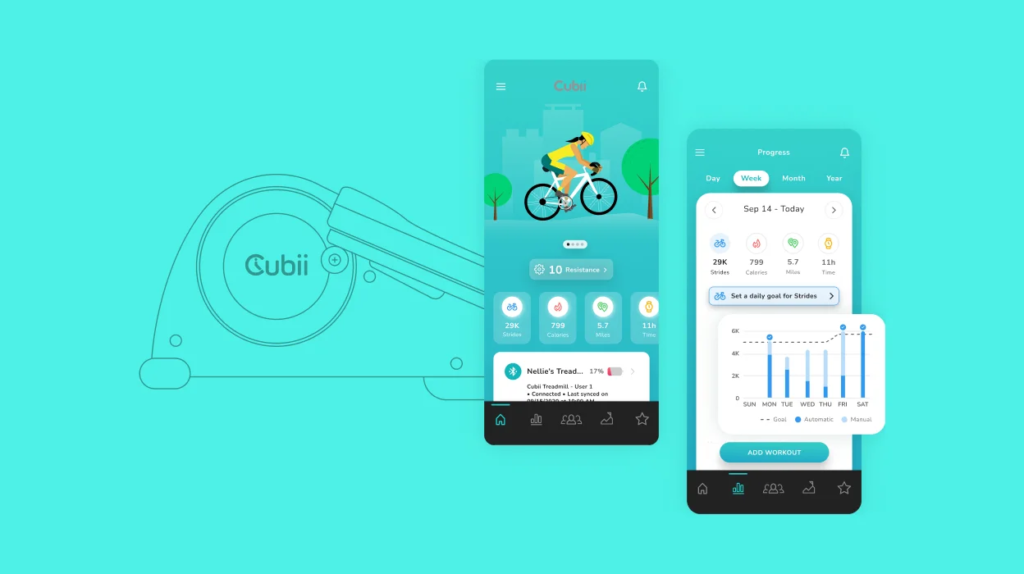
Cubii, known for its compact exercise equipment, showcased their new “Cubii GO” through a vibrant 3D animated video. The animation highlighted features like adjustable resistance and portability, completing the entire production in just two weeks. Allie Myers, Senior E-Commerce Project Manager at Cubii, praised the quick turnaround and quality, stating, “We were impressed by how quickly they created and delivered the animations”.
2. Commercial Seating Company
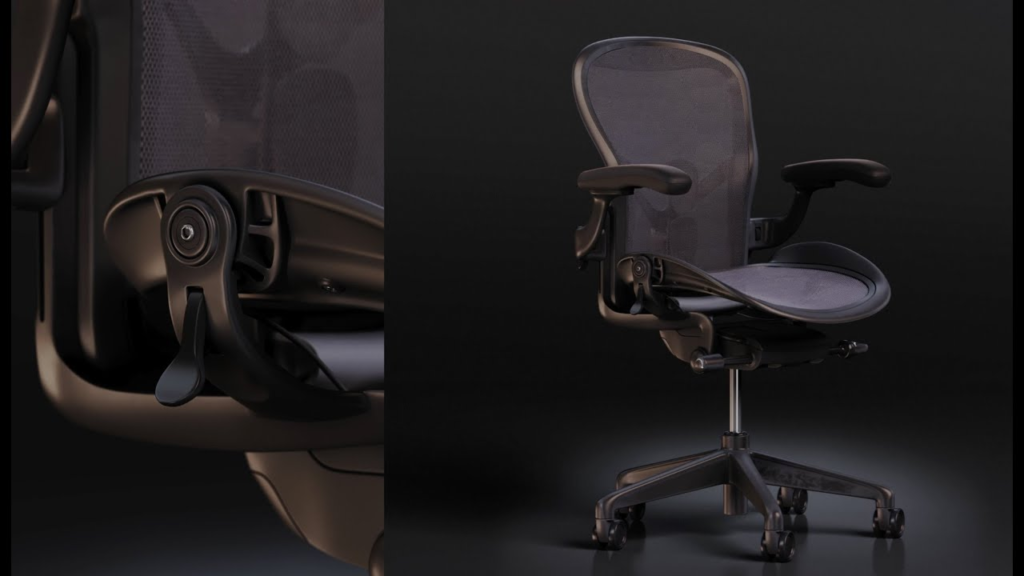
A leading ergonomic seating manufacturer in Australia and New Zealand turned to 3D product animation to enhance their marketing efforts. By showcasing various functional aspects of their products through detailed animations, they achieved a remarkable 50% increase in sales and a 60% reduction in advertising expenses. This strategic move not only improved their brand reputation but also significantly boosted consumer engagement.
3. Samsung
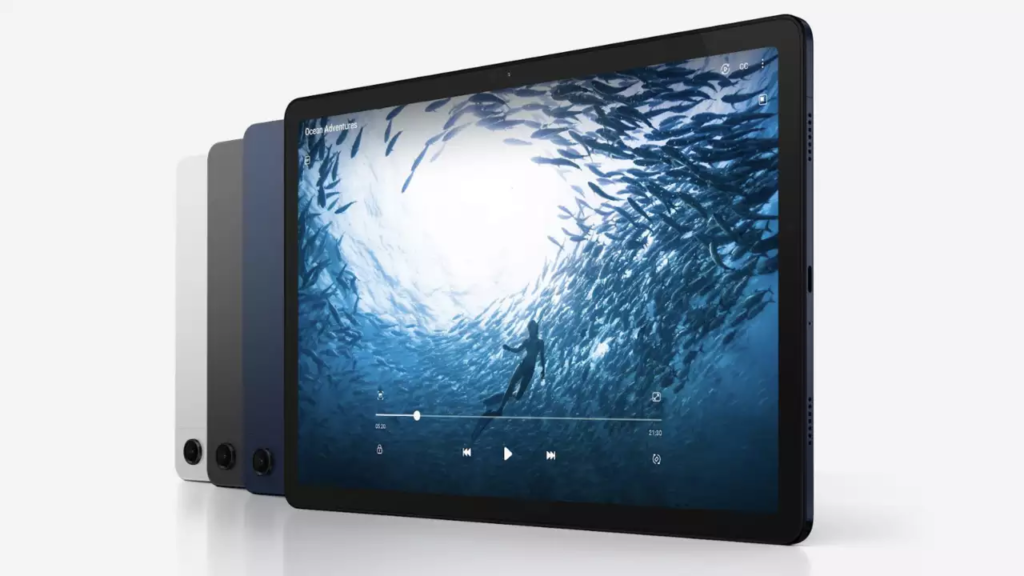
Samsung launched their Tab A tablet with an eye-catching 3D animated video that creatively demonstrated its features. The animation showcased the tablet in various imaginative environments, such as a racetrack to highlight speed and a giant billboard to emphasize screen size. This innovative approach allowed Samsung to convey key product benefits without the need for physical prototypes.
4. Borgata
Borgata, an online casino app, collaborated with a 3D animation studio to create an engaging advertisement that captured the excitement of a physical casino experience. The animated video featured dynamic movements of casino items like playing cards and poker chips, enhancing viewer engagement and making the online platform feel more tangible.
5. Dyson
Dyson has effectively utilized high-quality 3D animations for marketing several of its innovative products. By creating photo-realistic renderings and CGI montages, Dyson successfully communicated complex product features in an accessible way, maintaining its reputation for cutting-edge technology while enhancing customer understanding.
6. BMT Defence Services
BMT Defence Services produced a promotional CGI animated movie for their Vidar-36 submarine design. The animation highlighted advanced engineering capabilities through detailed visualizations that showcased unique launch profiles and potential target scenarios. This creative approach helped attract attention from potential clients in the defense sector.
Challenges and Considerations
While the benefits are clear, there are some challenges associated with producing high-quality 3D animations:
Cost Implications: Creating engaging content requires skilled professionals and advanced software, which can be expensive.
Technical Limitations: Producing realistic animations requires expertise and creativity; investing in skilled talent or collaborating with experienced agencies can help overcome these challenges.
Emerging Technologies
Looking ahead, we can expect even more exciting developments in the world of 3D animation for marketing. The integration of augmented reality (AR) and virtual reality (VR) technologies is on the rise, providing even more immersive experiences for consumers.
Conclusion
In summary, 3D animation is not just a trend; it’s becoming an integral part of modern product marketing strategies. From enhancing customer engagement to improving product understanding and differentiating your brand, the benefits are substantial.
FAQs
1. How important is 3D animation in marketing a product?
3D animation is crucial in marketing as it helps products stand out in a crowded marketplace. By creating unique and visually engaging content, brands can capture consumer attention more effectively than with traditional methods, leading to higher engagement and conversion rates.
2. How has animation impacted marketing?
Animation has revolutionized marketing by enabling brands to communicate complex concepts and product features in a visually captivating way. It enhances storytelling, allowing companies to connect emotionally with their audience, which is often challenging with static images.
3. How is 3D animation used in advertising?
3D animation is used in advertising to create dynamic and realistic representations of products. It allows marketers to showcase products from multiple angles, highlight features, and demonstrate usage scenarios, making the advertisements more informative and engaging.
4. What is the primary benefit of using 3D animation in advertising?
The primary benefit of using 3D animation in advertisements is its ability to simplify complex ideas while providing detailed visual information. This helps consumers understand the product better, fostering trust and increasing the likelihood of purchase.
5. How is animation used in marketing?
Animation is used in marketing to create compelling visuals that enhance brand storytelling. It can be applied in various formats, such as explainer videos, product demonstrations, and social media content, making it an effective tool for engaging audiences across different platforms.
By day I create engaging content along with infusing high-volume, low-competition keywords strategically so that it gets loved by you and Google Crawler. Off the clock? I scroll for fresh ideas. (Don’t judge, gotta fuel the creativity!)
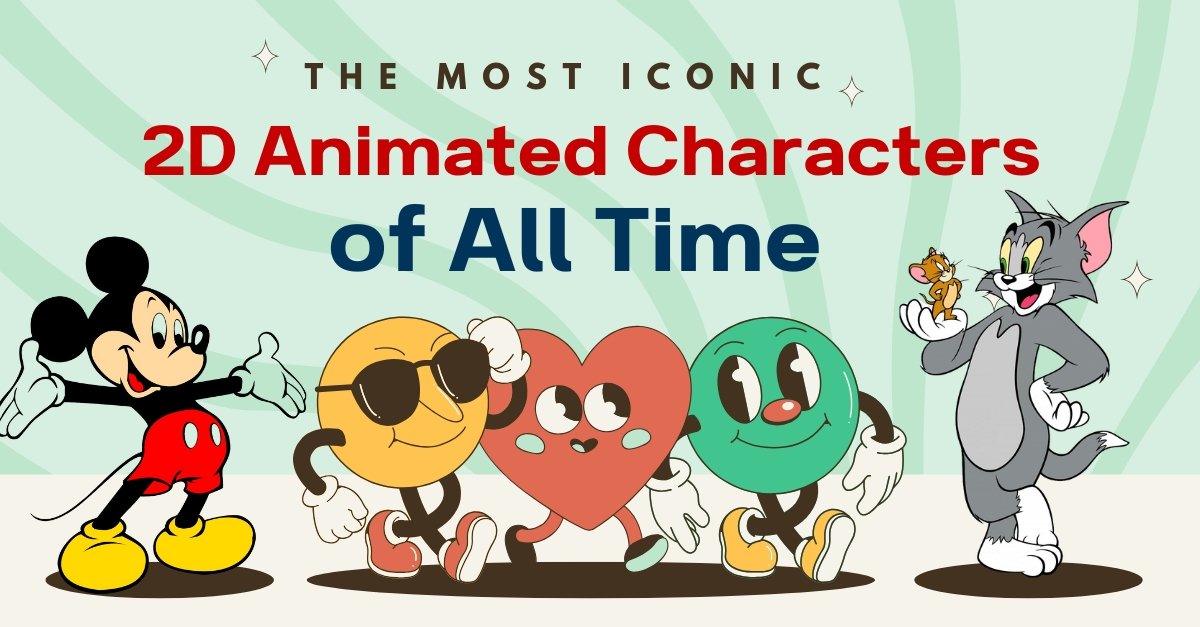
Animation has a way of capturing hearts, especially through well-designed characters. 2D animation is timeless. It’s colorful, simple, and perfect for children’s stories. Great 2D characters are not just drawings. They tell stories, spark imagination, and connect with emotions.
In this blog, we will explore the principles of character design and highlight iconic examples. We will also explain how Cputek, one of the best animation companies in Kolkata, creates memorable, kid-friendly characters using technical expertise.
Whether you are looking for an explainer video maker or need creative insights, this blog will help you understand the craft behind these characters, much like behind the scenes.
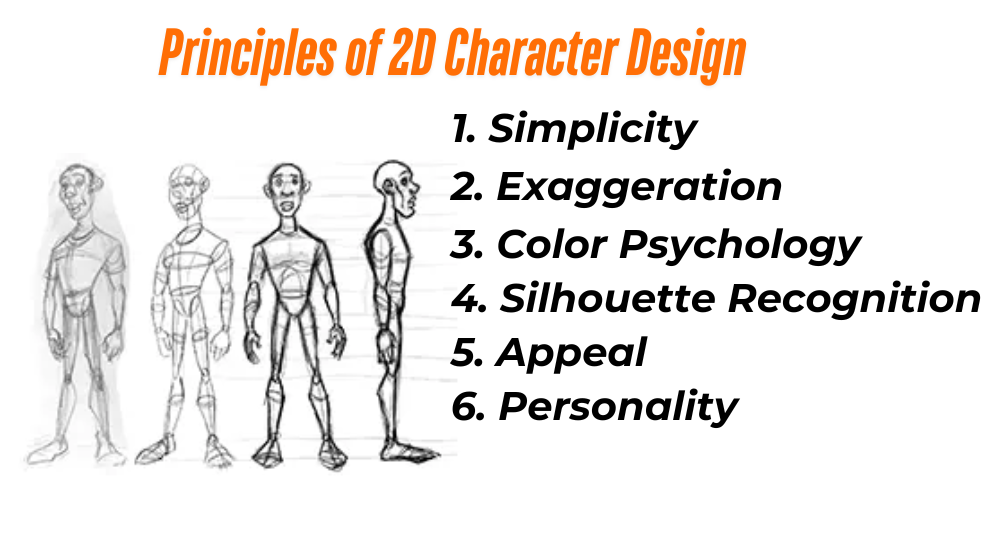
Principles of 2D Character Design
Creating memorable characters requires a perfect balance of artistic creativity and technical expertise. At Cputek, a leading animation company in Kolkata, we excel in applying these principles to design characters that resonate with audiences of all ages.
Here’s how we approach it.
1. Simplicity
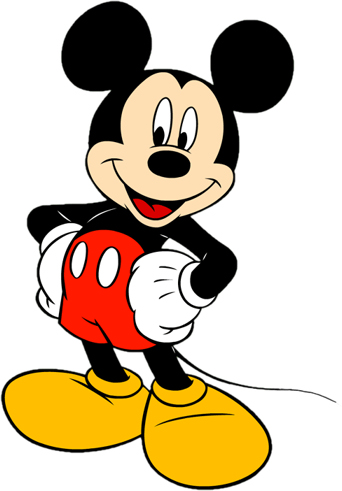
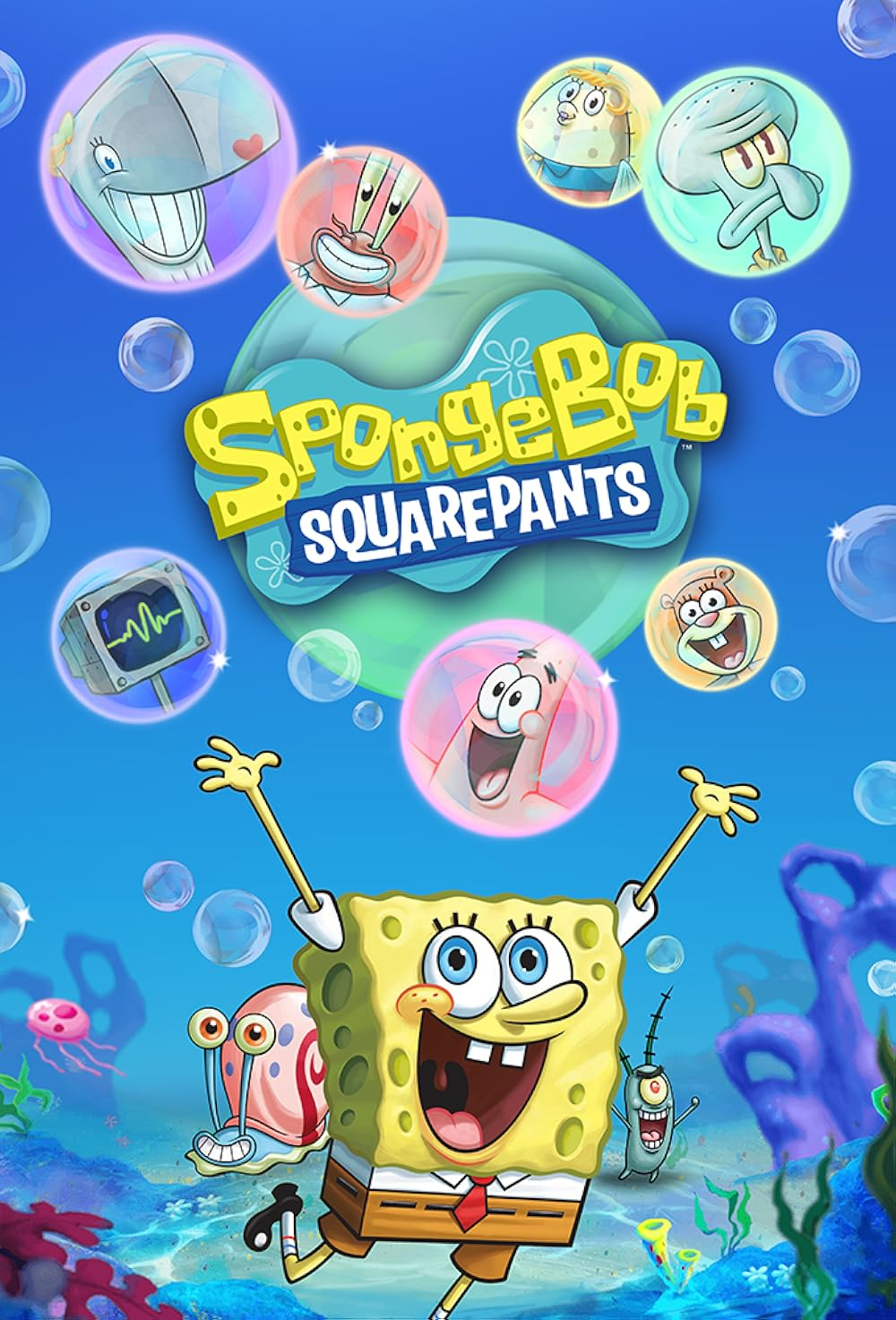
Simple designs are not only visually appealing but also technically efficient for animation. By using basic geometric shapes, characters like Mickey Mouse (circles) and SpongeBob SquarePants (rectangles) are easy to recognize and animate.
At Cputek, we ensure simplicity in our character designs to optimize animation workflows, especially for projects like 2D explainer videos, where smooth and clear visuals are crucial for conveying messages effectively.
Insight: We use vector-based tools like Adobe Illustrator and Animate to ensure that even the simplest characters are scalable and retain quality across all screen sizes.
2. Exaggeration
Exaggeration is key to making characters expressive and engaging. For instance, Bugs Bunny’s oversized ears and wide grin amplify his mischievous personality. In the world of explainer video companies, exaggeration is a vital tool to highlight emotions or actions, ensuring that the audience easily understands the message.
At Cputek, we enhance character expressions using advanced rigging techniques in software like Toon Boom Harmony. This allows us to stretch, squash, and distort a character’s features without losing visual quality.
Insight: Our team uses onion-skinning tools to test exaggerated movements frame by frame, ensuring fluid motion and appealing visuals.
3. Color Psychology
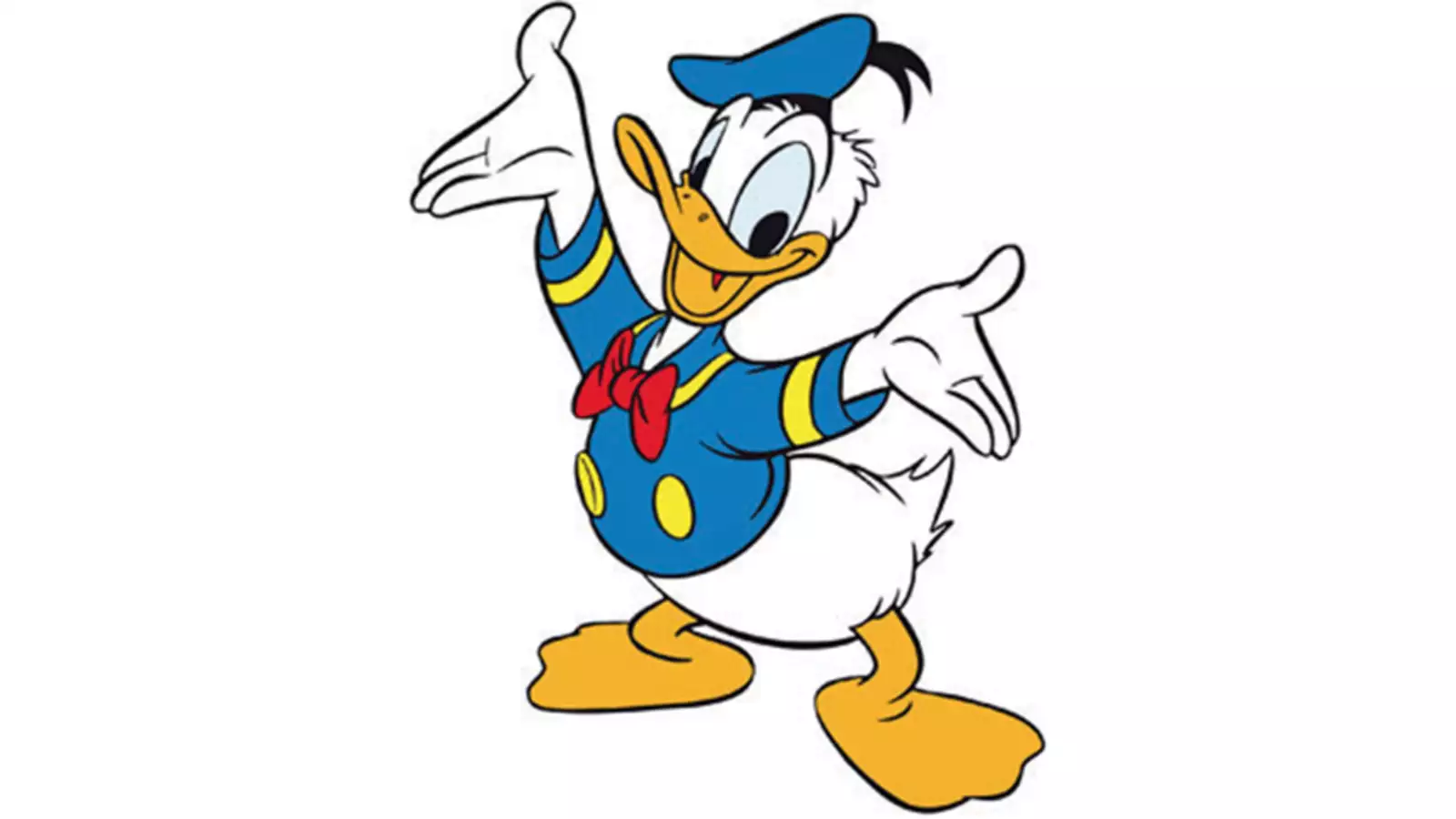
Colors play a significant role in shaping emotions. For example, Donald Duck’s combination of white and blue conveys trust and approachability, making him endearing to audiences. At Cputek, we focus on color schemes that evoke the right emotions for specific target audiences.
Whether it’s cheerful pastel colors for kids or bold tones for corporate animated explainer video makers, our choices are deliberate and impactful.
Insight: We use digital painting software like Adobe Photoshop and Procreate to experiment with color palettes. Additionally, color grading in After Effects ensures consistency across all frames.
4. Silhouette Recognition
A strong silhouette ensures a character is instantly recognizable, even in its simplest form. Think of Tom and Jerry or Pikachu, both are iconic because their shapes stand out. For our clients, especially those seeking animation explainer video makers, we prioritize silhouette design to enhance brand recall and storytelling.
Insight: Our designers utilize grayscale previews during the design process to test silhouette clarity before finalizing the details. This approach ensures that the character remains distinct, even in low-light animations or simplified renderings.
5. Appeal
The appeal makes characters unforgettable. Whether it’s Homer Simpson’s lovable imperfections or Scooby-Doo’s quirky charm, appeal ensures a lasting connection with the audience.
At Cputek, we integrate appealing design elements such as expressive eyes, playful proportions, and relatable features to create characters that leave a mark.
Insight: We use Autodesk Maya and Blender to experiment with facial expressions and test different iterations of a character’s appeal through mock animations.
6. Personality
A character’s design reflects its personality. For instance, SpongeBob’s square shape mirrors his quirky and lively nature. At Cputek, we craft characters with distinctive features that communicate their traits instantly.
This is especially important for explainer video creators, where character personality drives audience engagement and understanding.
Insight: Our team uses storyboarding tools like Storyboard Pro to map out personality traits visually before production. We also incorporate layered rigging, which allows for detailed facial expressions and gestures that bring the character’s personality to life.
Why Choose Cputek for Character Design?
At Cputek, we blend technical expertise with creative artistry to design characters that stand out. Our team specializes in creating visually appealing, emotionally engaging, and technically robust characters for projects ranging from TV animation to explainer videos.
End-to-End Solutions: From concept art to final animation, we handle every step of the process with precision.
State-of-the-Art Tools: We use industry-leading software like Toon Boom Harmony, Adobe Animate, and Blender to ensure the highest quality output.
Customizable for Explainers: Our characters are tailor-made for animated explainer video makers, ensuring they communicate ideas effectively and leave a lasting impression.
When you partner with Cputek, you are getting stories, emotions, and visuals that connect with audiences worldwide. Whether you need an animation explainer video maker or a trusted partner among explainer video companies, we are here to help you create engaging visual stories.
Top 10 Iconic 2D Characters and Their Design Insights
The Golden Age of Animation (1920s–1960s) shaped 2D animated characters by giving us legendary cartoon characters and techniques that still influence designs today.
1. Mickey Mouse
Design: Mickey is a mix of circles—head, ears, and body. This makes him simple and friendly.
Impact: As one of the first animated stars, Mickey represents happiness.
Technical Aspect: Modern tools like Adobe Animate or Toon Boom Harmony make recreating such designs easier for animation companies in Kolkata.
2. Tom and Jerry
Design: Tom’s tall body contrasts Jerry’s tiny form, showing the classic predator-prey relationship.
Impact: Their slapstick humor transcends language barriers.
Use in Videos: These dynamics inspire explainer video makers to create fun, engaging storytelling.
3. Bugs Bunny
Design: Bugs has a thin body, long ears, and expressive eyes.
Impact: His sarcastic humor connects with all age groups.
Design Tools: Explainer video companies often use character rigs to animate similar movements efficiently.
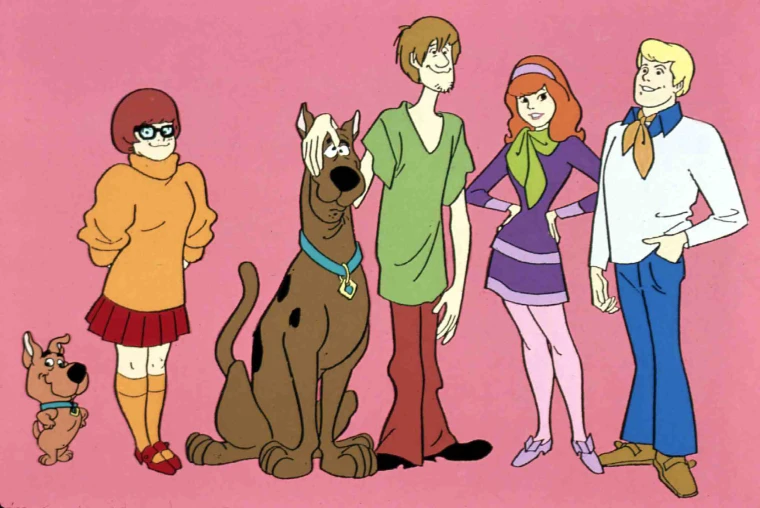
4. Scooby-Doo
Design: Scooby’s clumsy posture and oversized features add to his goofy charm.
Impact: He’s a symbol of friendship and mystery-solving.
Animation Tip: Walk cycles and facial expressions play a big role in making such characters relatable.
5. SpongeBob SquarePants
Design: His square shape reflects his quirky, innocent personality.
Impact: SpongeBob’s optimism makes him lovable.
Technical Tools: Texture overlays add depth to designs, a technique often used by animation explainer video makers.
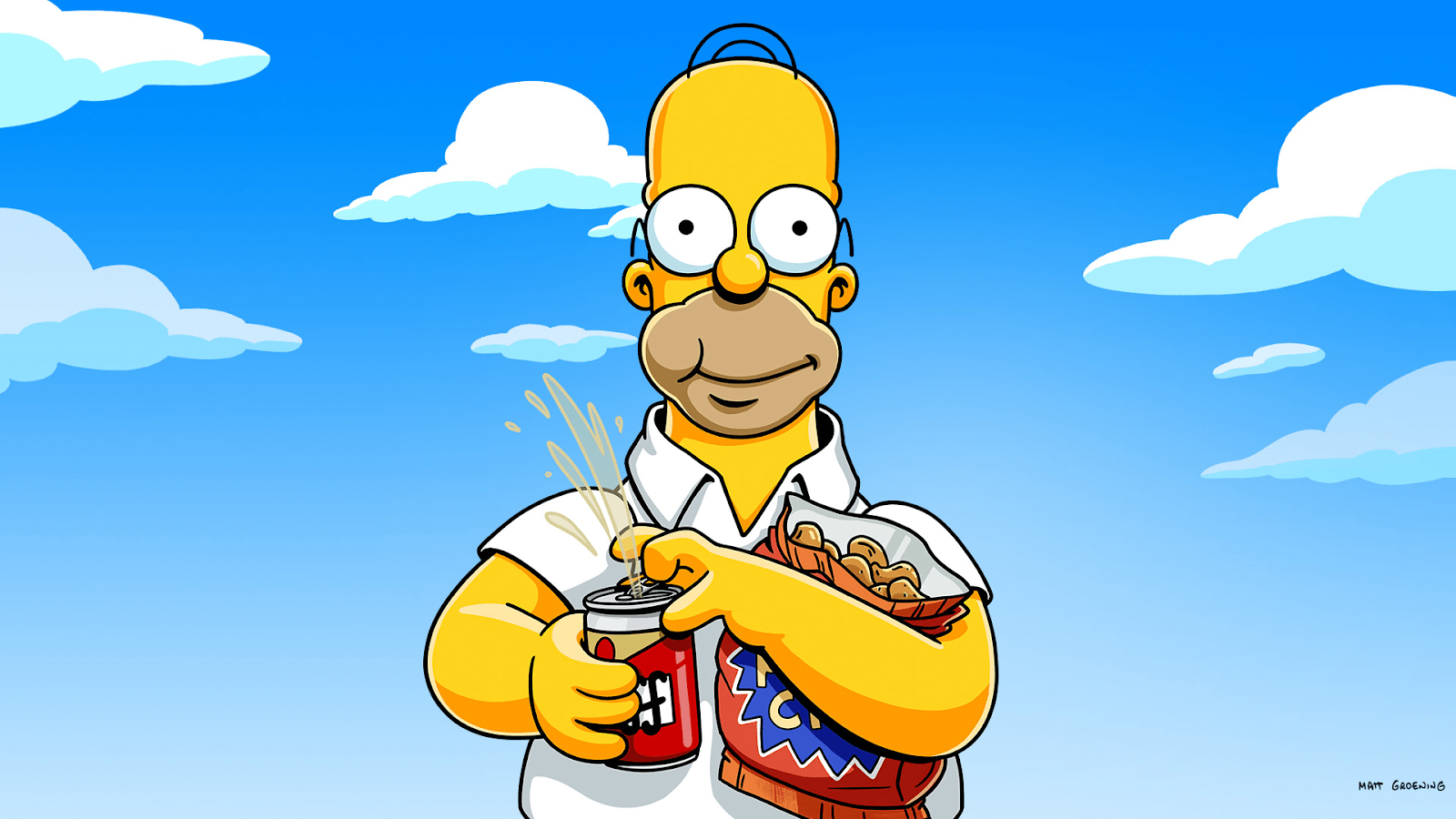
6. Homer Simpson
Design: Homer’s round features match his lazy and humorous personality.
Impact: He’s a relatable character for adults.
Relevance: Shows like The Simpsons inspire animated explainer video makers to create humorous content.
7. Donald Duck
Design: His sailor suit and expressive face make him visually appealing.
Impact: Donald’s temper tantrums add humor and relatability.
Pro Tip: Designers often animate his bill to emphasize speech, a technique used in lip-syncing.
8. Pikachu
Design: Pikachu’s round shape, big eyes, and red cheeks make him irresistible.
Impact: As a Pokémon mascot, Pikachu represents adventure.
Technology Insight: Explainer video creators use frame-by-frame techniques to show Pikachu’s quick movements.
9. Fred Flintstone
Design: His rugged, prehistoric look fits the Stone Age theme.
Impact: Fred’s relatable family life and humor make him timeless.
Animation Insight: Background design plays a vital role in showcasing Fred’s world, something explainer video companies focus on.
10. Tweety Bird
Design: Tweety’s big head and small body emphasize innocence.
Impact: His cleverness contrasts Sylvester’s clumsiness, adding depth.
Use in Explainers: Contrast in designs (like Tweety vs. Sylvester) enhances storytelling.
How Cputek Designs Memorable 2D Characters
At Cputek, we combine creativity and technology to craft captivating 2D characters. Here’s how we do it, along with why each step matters;
1. Research and Storyboarding
How We Do It: We analyze the target audience’s preferences and cultural nuances to design relatable characters. Storyboarding tools like Storyboard Pro map out character movements, interactions, and actions before the production phase.
Why It Matters: Storyboarding ensures that characters align with the audience’s expectations and storytelling goals, especially for explainer video creators.
2. Digital Tools
How We Do It: We use industry-standard software like Toon Boom Harmony, Adobe Animate, and After Effects for precise character modeling and animation. Tools like vector-based graphics ensure scalability without losing quality.
Why It Matters: These tools deliver high-quality animations for explainer video companies, ensuring smooth visuals across platforms.
3. Iterative Process
How We Do It: We develop multiple sketches and refine them using feedback loops. Techniques like onion skinning ensure continuity in animations during the refinement process.
Why It Matters: Iterative workflows allow adjustments to character appeal, ensuring maximum audience engagement.
4. Focus on Kid-Friendly Features
How We Do It: Exaggerated eyes, rounded shapes, and vibrant colors are integrated to make characters visually appealing to kids. We use color psychology and emotional mapping in design.
Why It Matters: These features foster an emotional connection, vital for children’s animated explainer video makers.
5. Seamless Animation
How We Do It: Frame-by-frame animation and rigging techniques bring characters to life with fluid movements and consistent expressions. Lip-syncing tools ensure precise dialogue animations.
Why It Matters: Smooth animation enhances storytelling, helping audiences focus on the narrative.
6. Customization for Explainers
How We Do It: We design mascots and guides tailored to simplify complex ideas. Visual metaphors and minimalistic designs are integrated to complement educational content.
Why It Matters: Customization helps explainer video makers create engaging, informative, and accessible visuals.
By blending artistic creativity with technical expertise, Cputek, a trusted animation company in Kolkata, ensures every character becomes a memorable part of the story. Let us bring your vision to life!
Why Choose Cputek?
As one of the top animation companies in Kolkata, Cputek delivers exceptional 2D character designs and animations tailored to your needs. Here’s why we stand out:
1. Expertise in Multiple Formats: We specialize in creating 2D characters for explainer videos, TV shows, educational content, and marketing campaigns. Our designs are versatile and crafted to fit various purposes seamlessly.
2. Advanced Technology: We use innovative tools like Toon Boom Harmony, Adobe Animate, and After Effects for precise character animation, ensuring smooth movements, scalability, and high-quality outputs.
3. Customization for Explainer Videos: As a trusted animated explainer video maker, we craft unique, brand-aligned characters to simplify complex ideas and keep audiences engaged.
4. Focus on Quality and Creativity: Every project undergoes an iterative process, including storyboarding, feedback integration, and meticulous quality checks.
5. Efficient Production Process: Our production process uses techniques like rigging, onion-skinning, and frame-by-frame animation to create polished, professional visuals.
FAQs
1. What makes Cputek stand out among animation companies in Kolkata?
Cputek specializes in high-quality 2D animation and explainer videos using tools like Toon Boom Harmony and Adobe Animate. From kid-friendly characters to educational and marketing content, we focus on creativity, precision, and client satisfaction.
2. How does Cputek craft explainer videos as an animation explainer video maker?
Cputek creates custom, engaging explainer videos that simplify complex ideas. Using tools like Storyboard Pro and precise animation techniques, we ensure seamless transitions, lip-syncing, and impactful storytelling to communicate your message effectively.
3. Why should I choose Cputek for explainer video creators?
Cputek specializes in custom explainer videos with unique designs, vibrant visuals, and smooth animations. Our expertise ensures clear messaging and engaging content for businesses and education, making your videos stand out.
Conclusion
Great characters make lasting impressions, just like these 2D cartoon characters did. Whether it’s the charm of Mickey Mouse or the cuteness of Pikachu, 2D animation continues to inspire creative minds. With the right blend of design principles and technology, our Cputek team ensures every character we create becomes a star.
By day I create engaging content along with infusing high-volume, low-competition keywords strategically so that it gets loved by you and Google Crawler. Off the clock? I scroll for fresh ideas. (Don’t judge, gotta fuel the creativity!)
A clear roadmap is essential for professionals in eLearning video production, whether tackling a detailed educational series, a concise animated ad, or a compelling promotional video. Without it, project deadlines, misaligned messaging, and avoidable revisions would stretch. This is where 2D storyboard animatics redefine the pre-production process.
While traditional storyboards offer a sequence of static images to outline the narrative, they often feel limited in conveying the flow and emotion of a project. Animatics, on the other hand, turn these static visuals into dynamic, timed sequences by adding motion, sound, and transitions. This evolution takes a set of disconnected still frames and turns them into a lively preview of the final product, making it easier for creators and clients to engage with the material and evaluate its effectiveness early on.
In the eLearning industry, where the goal is to capture and sustain a learner’s attention while delivering clear educational content, this difference is critical. Animatics allow teams to test pacing, refine transitions, and align audio-visual elements with learning objectives in a way that static storyboards simply cannot. This added layer of motion ensures that instructional videos feel cohesive and engaging, paving the way for smoother production and fewer revisions down the line.
By bridging the gap between concept and execution, 2D storyboard animatics offer an invaluable tool for refining eLearning videos. They empower production teams to make informed decisions, anticipate challenges, and deliver content that meets both educational and creative goals on time and within budget.
What Are 2D Storyboard Animatics?
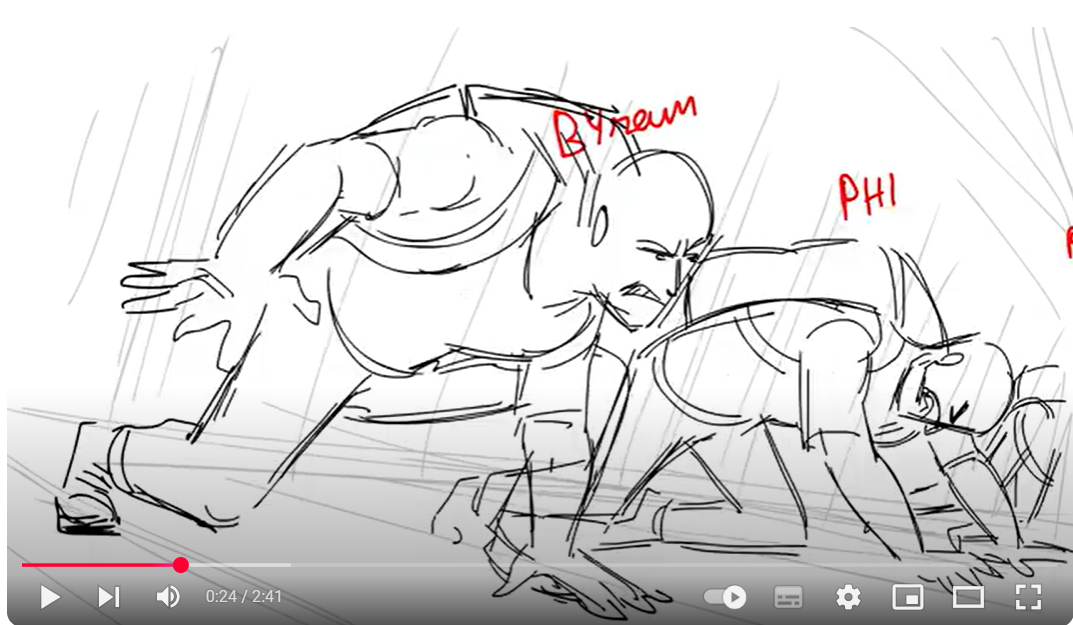
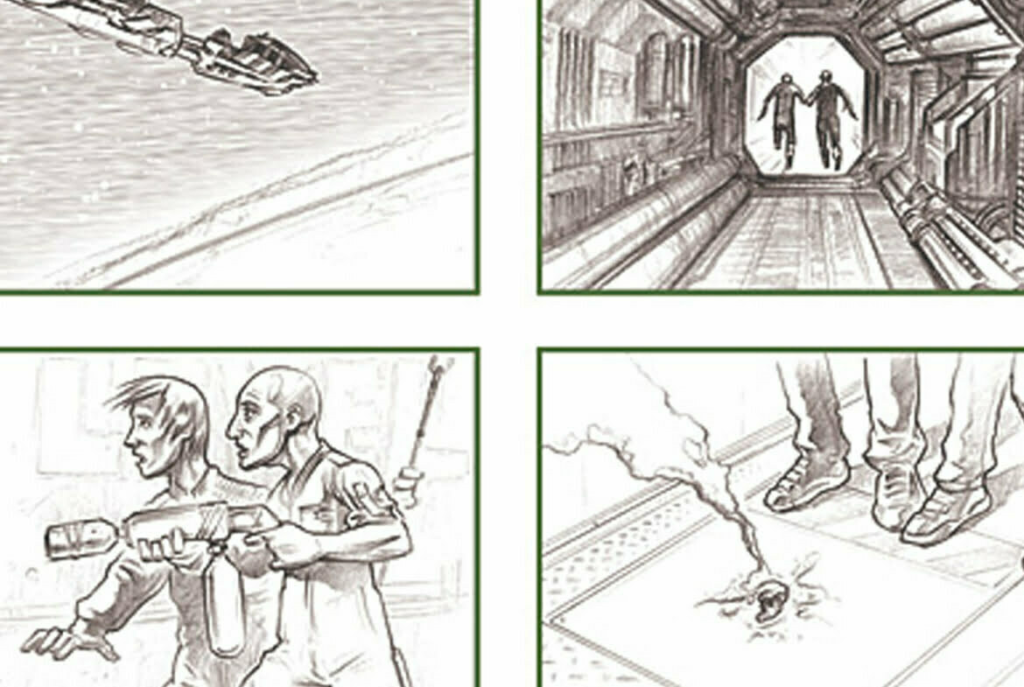
2D storyboard animatics are a sequence of detailed sketches or frames arranged to simulate the motion, timing, and structure of the final animation. By integrating visuals and sound, animatics offer a near-complete preview of the eLearning video before full production begins.
These animatics serve as a creative blueprint, allowing creators to:
Map out visual storytelling effectively.
Establish the pacing, timing, and seamless scene transitions.
Highlight and emphasize key learning objectives through carefully planned visual elements.
Think of a 2D storyboard animatic as the test drive for your animation. It allows creators to refine the journey, identify potential issues, and make improvements before moving into the production stage. This early visualization ensures that the final video is cohesive, engaging, and aligned with its educational purpose, making it a crucial tool for animation explainer video makers.
Why Are 2D Storyboard Animatics Important in eLearning Video Production?
Engaging 2D animation videos needs planning for successful execution. These videos have to hold a learner’s attention to the course material alongside delivering the core knowledge. This is why animatics should be a part of the video production process that will let you know which parts seem less engaging.
2D storyboard animatics ensure that complex concepts are simplified into visually manageable pieces. Each scene is meticulously planned to deliver the intended message. By integrating graphics, animations, and voiceovers, animatics align perfectly with instructional goals. This structured approach ensures that every visual and auditory element complements the learning content seamlessly, making it both accessible and engaging for the audience.
Why it matters: Simplifying complex ideas into clear, organized visuals ensures better understanding and retention, enhancing the learning experience.
2. Improved Communication
Animatics provide a common language for animators, scriptwriters, and clients. They offer a visual representation of the eLearning video’s progression, including timing, transitions, and key visual elements. This allows all stakeholders to visualize the final product and ensure that their expectations align with the creative output. Misunderstandings are significantly reduced during production.
Why it matters: A shared visual reference keeps everyone on the same page, eliminating confusion and ensuring cohesive execution.
3. Efficient Feedback Loop
One of the key benefits of storyboard animatics is the opportunity for early feedback. Stakeholders can review the animatics and suggest improvements at this stage without affecting the production schedule. Changes are easier and less costly to implement before full-scale production begins. This iterative process ensures the final video meets all expectations.
Why it matters: Addressing potential issues early avoids expensive rework, saving both time and money in the production process.
4. Time Management
Animatics serve as a detailed roadmap, defining timing, character actions, and transitions. This structured plan reduces guesswork during production and streamlines workflows. The production team can efficiently follow the sequence, knowing exactly how each element should come together to achieve the desired outcome.
Why it matters: A clear framework ensures timely project completion without unnecessary delays, improving overall efficiency.
5. Enhanced Learning Outcomes
Effective animatics enhance eLearning videos by making them engaging and educational. The synchronization of visuals, narration, and transitions creates a cohesive flow that supports learners in grasping key concepts. When videos are designed with this precision, they hold the learner’s attention and improve information retention.
Why it matters: Well-designed animatics ensure that eLearning videos are impactful, leaving a lasting impression and facilitating better learning outcomes.
Technical Details and Process of 2D Storyboard Animatics
Creating 2D storyboard animatics for eLearning videos requires a blend of creativity and technical skill. Each step contributes to a cohesive and engaging final product. Below is a detailed walkthrough of the process, highlighting the tools used and their benefits.
1. Scriptwriting
The process begins with a well-crafted script that outlines the learning objectives, key messages, and narration. The script is divided into sections, with each segment corresponding to a frame or scene in the storyboard. This division ensures that the content flows logically and aligns with the intended educational goals.
How it works: A structured script ensures that every scene communicates the intended message clearly, making the learning content coherent and easy to follow.
2. Sketching Frames
Artists create rough sketches for each scene, focusing on important visual elements like characters, backgrounds, and objects. Each frame includes directional notes, such as “Zoom in,” “Pan left,” or “Fade out,” providing clarity on how the animation will unfold. These sketches form the backbone of the animatic.
How it works: Detailed sketches and directional notes give animators precise instructions, reducing ambiguities during production and ensuring smoother execution.
3. Timing and Pacing
Each frame is assigned a specific duration to establish the pacing of the video. For instance, a title card may last 2 seconds, while an animated sequence may take 10 seconds. Timing is carefully planned to ensure smooth transitions and synchronization with the narration or background music.
How it works: Proper timing and pacing keep the audience engaged, preventing rushed or dragging sequences that could disrupt the learning process.
4. Voiceover Integration
Placeholder voiceovers are incorporated into the animatics to synchronize the visuals with the narration. This ensures that the animation supports the educational content effectively. Tools like Adobe Premiere Pro or Toon Boom are often used for precise synchronization.
How it works: Syncing voice overs with visuals improves comprehension, as learners can easily follow the narration alongside the corresponding animation.
5. Feedback and Revisions
The initial animatics are shared with stakeholders for feedback, focusing on the flow, clarity, and alignment with learning objectives. Necessary changes are then implemented to refine the animatic before production. This iterative process ensures that the animatic meets expectations.
How it works: Early feedback reduces the risk of costly rework during production, saving time and ensuring a polished final video.
6. Tools for Animatics Creation
Professional tools like Toon Boom Storyboard Pro, Adobe After Effects, and ShotGrid are used in animatics creation. These tools enable detailed storyboarding, basic motion integration, and efficient team collaboration for revisions.
How it works: Using advanced tools enhances precision, streamlines workflows, and ensures high-quality animatics that serve as a reliable foundation for production.
How Animatics Improve eLearning
Visual Representation of Abstract Ideas
Animatics bring abstract or theoretical concepts to life through dynamic animations, enabling learners to visualize ideas that are challenging to grasp through static text or images. By creating motion-based representations, animatics simplify complex topics and present them in a visually engaging format. This approach makes it easier for learners to connect with the subject matter and retain information effectively.
How it happens: Animatics use sequential visuals and motion to break down difficult concepts into simpler, relatable components, making the learning process intuitive and enjoyable.
Maintains Consistency in Branding
For organizations using eLearning as part of their training initiatives, consistency in branding is essential. Animatics ensure that colors, logos, fonts, and the overall tone of the content align with the organization’s identity. This consistent branding reinforces the organization’s image while maintaining a professional and cohesive look throughout the video.
How it happens: Animatics establishes a unified visual framework that incorporates branding elements from the outset, ensuring uniformity across all content.
Simplifies Complex Workflows
By structuring the video into manageable segments, animatics enable animators, designers, and editors to work efficiently without overlapping responsibilities. Each team member has clear guidance on their role, reducing confusion and streamlining the production process.
How it happens: Animatics provides a roadmap that divides tasks into smaller, well-defined segments, fostering better collaboration and timely completion.
Supports Learner Engagement
Engagement is critical in eLearning, and animatics ensure that the visual and auditory elements complement each other seamlessly. They create a rhythm and flow that keeps learners focused and interested, helping them absorb information without distractions.
How it happens: Animatics synchronize visuals and narration, using pacing and transitions to hold learners’ attention, ensuring a compelling and immersive experience.
Key Features of Effective 2D Animatics
Clear Scene Transitions: Use fade-ins, wipes, or cuts to guide the viewer’s attention seamlessly between scenes, maintaining narrative flow.
Well-Timed Actions: Ensure movements are synced with narration or sound effects, improving comprehension and emotional impact.
Annotations: Add detailed notes for animators and editors, specifying camera movements, transitions, and visual effects for clarity.
Dynamic Composition: Use varied angles, framing, and focal points to keep visuals engaging and prevent monotony.
Consistent Visual Style: Maintain uniformity in colors, fonts, and design elements to reinforce branding and visual identity.
Balanced Pacing: Adjust pacing to align with content complexity, giving learners enough time to process key information.
Integration of Audio Cues: Include placeholders for music and sound effects to assess their impact on mood and engagement.
Iterative Refinement: Continuously review and refine the animatic based on feedback to address potential gaps and inconsistencies.
Best Practices for eLearning Animation Creators
Understand the Audience: Research the demographics, learning preferences, and knowledge level of your audience to tailor visuals, tone, and pacing effectively.
Prioritize Educational Value: Ensure that every frame supports the learning objectives, avoiding any visuals or elements that do not add value to the content.
Collaborate Early and Often: Involve instructional designers, subject matter experts, and stakeholders at every stage to align the animatic with the training goals.
Test the Animatic: Share the animatic with a sample audience to gather feedback on clarity, engagement, and effectiveness, making necessary adjustments.
Maintain Visual Hierarchy: Design scenes with clear focal points, using size, color, and placement to direct attention to key elements.
Incorporate Accessibility Features: Include captions, subtitles, and alternative text to ensure the content is inclusive for all learners.
Plan for Multilingual Needs: Design animatics in a way that can be easily adapted for translations or regional customizations.
Iterate for Quality: Review and refine the animatic multiple times to identify and address potential issues before full production.
FAQs
1. Why are 2D storyboard animatics essential for explainer video makers?
2D storyboard animatics provide a clear visual framework, allowing creators to map scenes, test timing, and align narration before production. This helps identify issues early, streamlines workflows, reduce costs, and ensures the final video is engaging and effective.
2. How do animation explainer video makers use animatics to improve eLearning videos?
Animatics help explainer video makers plan sequences, align voiceovers, and test pacing, making complex topics engaging and easy to understand. This ensures better learner focus, improved retention, and visually compelling eLearning content.
3. Can animation companies in Kolkata benefit from using animatics in explainer videos?
Animatics helps animation companies in Kolkata visualize stories, refine timing, and reduce errors before production. This streamlines workflows, and cuts costs, for client-focused explainer videos.
Conclusion
2D storyboard animatics are the backbone of engaging eLearning video production. By ensuring clarity, coherence, and creativity, animatics pave the way for impactful learning experiences.
If you’re part of an animation company in Kolkata or specialize as an animation explainer video maker, mastering storyboard animatics will set you apart in the competitive world of eLearning production. Embrace this tool, refine your process, and create videos that truly resonate with learners.
By day I create engaging content along with infusing high-volume, low-competition keywords strategically so that it gets loved by you and Google Crawler. Off the clock? I scroll for fresh ideas. (Don’t judge, gotta fuel the creativity!)
Whenever we scroll through social media or browse a website, 2D animation videos as ads appear in our feeds. These videos look awesome sometimes (except the promotional ones, we sometimes hate it too). However, have you ever wondered where these 2D animations came from? What did they look like in the past? What are the iconic names in history that have marked a memory throughout our previous generation?
Well, running a digital marketing agency in Kolkata, we thought of exploring the roots of 2D animation and penned it down in case you also find it interesting.
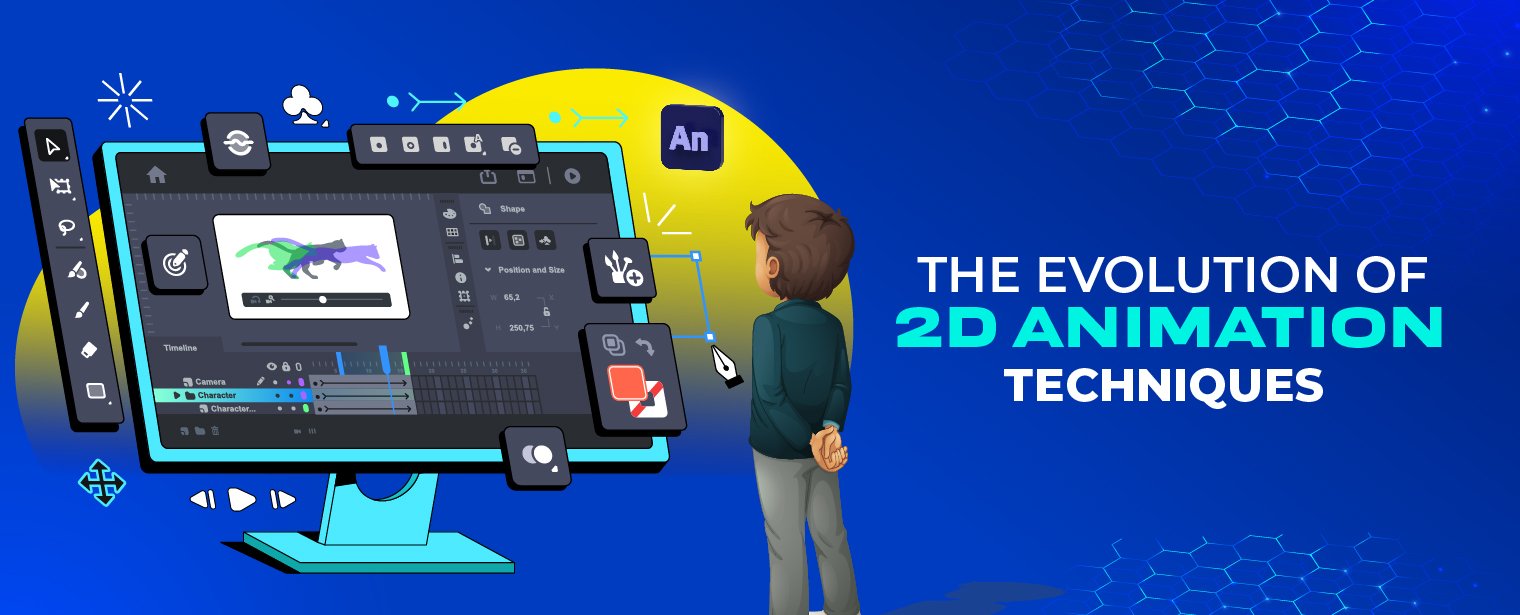
The Evolution of 2D Animation Techniques
From flipbooks to AI and different software-generated videos, 2D animation has covered a very interesting journey so far. As explained below,
1. The Dawn of Animation: Flipbooks and Zoetropes
Before the big studios and fancy technology, animation had humble beginnings. The flipbook was one of the first ways people could create the illusion of movement. By flipping through pages with drawings, each one slightly different, the human eye would blend them into motion.
Example: One of the earliest flipbooks was created by John Barnes Linnett in 1868, where a horse appeared to gallop as the pages were turned. Even in the Taare Zameen Par movie, we have seen flipbooks as a creative art.
The zoetrope came around in the 1830s, a spinning drum with images inside. As it spun, you could see animated images through slits. It was like a prehistoric movie projector!
2. The Birth of Traditional Animation: Hand-Drawn Cel Animation
Hand-drawn cel animation was where animation took off. Artists would draw each frame of an animation on separate sheets of transparent celluloid, known as “cels”. These “cels” were then layered on top of static backgrounds, making the movement look fluid.
Example: Disney’s Snow White and the Seven Dwarfs (1937) was the first full-length feature film created with this technique. It required over 250,000 hand-drawn frames!
3. The Golden Age of Cartoons: Disney and Warner Bros.
The 1930s to the 1950s were the “Golden Age” of animation. Big names like Walt Disney and Warner Bros. made animated films and shorts a cultural staple. Traditional cel animation was used here, with many animators working together to create individual frames.
For iconic cartoons like Mickey Mouse, studios used synchronized sound with animation, making the movement feel more lifelike.
Example:Mickey Mouse first appeared in Steamboat Willie(1928), one of the first cartoons with synchronized sound. On the other hand, Looney Tunes introduced classic characters like Bugs Bunny and Daffy Duck, which shaped American cartoon humor.
4. The Rise of Limited Animation: Exploring New Styles
As demand for animated content grew, studios needed ways to cut costs. Limited animation was born out of necessity. Instead of animating every frame, only the essential movements were animated, (for example, a character’s arms or legs might stay still while only the head or torso moves) making characters appear more “jerky” but saving a lot of time and resources.
Example: Shows like The Flintstones (1960) used limited animation techniques. While the movement was less fluid than earlier Disney films, the style became a popular and cost-effective way to create TV cartoons.
5. The Computer Age: Digital Ink and Paint
The 1980s saw a breakthrough in animation with the introduction of digital tools. Digital ink and paint replaced the traditional method of painting each cel by hand. This made the process faster and more accurate. Animators started scanning hand-drawn artwork into a computer and then digitally painting it.
Example: Disney’s The Little Mermaid (1989) was one of the first animated films to use digital ink and paint, making the colors richer and more vibrant than ever before.
6. The Digital Revolution: Software and Tools
By the 1990s, animation was fully embracing computer technology. Software like Adobe Flash and Toon Boom allowed animators to create animations faster and with more flexibility.
Animators were empowered to create vector-based animation which means the images could be resized or altered without losing quality. This opened up new possibilities for animated series and movies, pushing the limits of creativity.
Example:The Simpsons (1989-) used early computer tools in some of its production, combining hand-drawn art with digital technology to speed up the animation process.
7. The Rise of Vector Graphics: Clean Lines and Scalability
Vector graphics, which use mathematical equations to create images instead of pixels, became popular in animation. This made it possible to scale images without losing quality and kept the animation clean and smooth. Here, artists use paths, lines, and points, and the computer calculates how to animate these shapes.
Example:South Park (1997-) is known for using vector graphics. The show’s simplistic, cut-out style makes it easy to animate quickly, and the use of vector-based animation ensures crisp lines in every scene.
8. Rotoscoping: Tracing Live Action for Realistic Movement
Rotoscoping is an animation technique where animators trace footage of live-action scenes frame-by-frame to create realistic movements. This method can blend the line between reality and animation, giving a very lifelike look to the animation.
Example:A Scanner Darkly (2006) used rotoscoping to create a surreal, animated look over live-action footage, with actors like Keanu Reeves appearing in animated form.
9. Cut-Out Animation: Bringing Paper to Life
Cut-out animation involves moving pieces of paper or other flat materials frame by frame to create movement. Each frame would involve repositioning the shapes slightly to simulate movement, similar to traditional stop-motion. While this may sound simple, it requires precision and creativity.
Example:South Park (1997-) originally started as a stop-motion cut-out animation before moving to digital techniques. The show’s characters were made from paper cut-outs, which were moved slightly between each shot.
10. 2D Animation in the 21st Century: Hybrid Techniques and Innovation
Today, 2D animation is a mix of traditional methods and cutting-edge digital tools. Animators combine hand-drawn techniques with software to create more dynamic and fluid animations. There’s also a blending of 2D with 3D elements, pushing the boundaries of what’s possible.
Example:Spider-Man: Into the Spider-Verse(2018) uses 2D and 3D animation techniques in a groundbreaking way, creating a visual style that feels like a comic book come to life, with depth, texture, and movement blending seamlessly.
Watch out for the infographic below for a shorter and comprehensive brief history of 2D animation video techniques.
By day I create engaging content along with infusing high-volume, low-competition keywords strategically so that it gets loved by you and Google Crawler. Off the clock? I scroll for fresh ideas. (Don’t judge, gotta fuel the creativity!)
VFX and 3D animation used to be part of only movies in theatres. Now, you can enjoy this kind of entertainment in video games, live events, and even marketing content. These technologies let brands create amazing visuals and tell stories in ways that stick with people long after they have seen them. By stretching the limits of possibilities, 3D animation, and VFX can bring even the wildest ideas to life, leaving a powerful impression on your audience’s minds.
As social media platforms prioritize visually striking content, the demand for shareable, digital-first advertisements has grown exponentially. Post-pandemic, the shift to virtual experiences has further accelerated the adoption of 3D animation and VFX, offering safe and innovative ways to connect with audiences. Moreover, the rise of AR, VR, and the Metaverse has opened doors to entirely new marketing possibilities.
With technological advancements making these tools more accessible and cost-effective, brands across industries are embracing them to deliver creativity and foster emotional connections. Younger, tech-savvy generations are especially drawn to such innovations, setting the stage for 3D animation and VFX to become essential for brands aiming to stand out in 2025.
In this blog, we have mentioned how the market share of 3D animation and VFX will grow this year and the factors behind it. This will help you understand why these trends will be in demand for the advertising niche in 2025.
The Rapid Growth of Animation and VFX Market
The global animation and VFX market is booming. As per Statista, the market is projected to grow from $10.7 billion in 2024 to $18.8 billion by 2033, with a CAGR of 6.43%. This growth is driven by increased investment in digital media, gaming, and advertising.
In advertising, brands are leaning into animation and VFX to create immersive, memorable campaigns. For example, animated explainer videos and 3D ads for products have helped brands improve customer understanding and retention rates.
Technology Powering the Surge of 3D Animation and VFX
1. Real-time rendering and GPU Advancements
The emergence of real-time rendering and GPU advancements has redefined 3D animation production. Tools like Unreal Engine allow creators to deliver stunning visuals quickly and cost-effectively.
Instead of spending months rendering scenes, advanced GPUs now enable the process in days, even hours. This efficiency makes animation accessible even for small businesses.
2. Artificial Intelligence (AI) in Animation
AI is revolutionizing how animation is created. Tools powered by AI, like motion capture software and generative design, reduce production costs while maintaining quality. Animation companies now use AI to predict consumer trends and tailor VFX-heavy ads for maximum impact.
3. Augmented Reality (AR) and Virtual Reality (VR)
AR and VR are pushing 3D animation to new heights. Brands now create interactive campaigns, allowing users to experience products virtually. For example, IKEA uses AR to show customers how furniture looks in their homes—a clear example of 3D animation meeting consumer needs.
Changing Consumer Expectations As a Factor
Modern consumers expect engaging, interactive content. The rise of social media and platforms like TikTok and YouTube Shorts has changed how people consume advertising.
Here’s why 3D animation and VFX excel:
1. They Simplify Complex Ideas
Animated explainer videos are highly effective for breaking down technical or complex concepts. For example, a tech startup can use a 30-second 3D explainer video to showcase how its app works instead of relying on text-heavy ads.
2. They Are Visually Captivating
3D animation grabs attention faster than static images or plain videos. Research shows that visual content with animation increases ad engagement by 25% compared to static formats.
3. They Are Shareable
Social media algorithms prioritize engaging and unique content. Animation and VFX-heavy ads often go viral due to their creativity, giving brands an edge.
Why Animated Ads Drive Better ROI in Advertising
1. Higher Retention Rates
Studies by Wyzowl suggest that people retain 95% of a message in a video compared to just 10% in text. Animated content enhances understanding and sticks in the viewer’s mind.
2. Better Conversion Rates
Explainer video companies have found that 3D animation in advertisements increases conversion rates by 20%-30%. These videos create an emotional connection and instill trust, making viewers more likely to take action.
3. Adaptability Across Platforms
From Instagram to LinkedIn, animated content performs well across all digital channels. Brands use short, engaging animation snippets for social media ads and long-form videos for YouTube or websites.
Role of 3D Animation and VFX in Digital Marketing
Digital marketing is one of the fastest-growing fields, and 3D animation and VFX have become essential components of successful campaigns.
1. Personalized Marketing Campaigns
Brands can use 3D animation to create personalized and interactive advertisements. For instance, animated product configurators allow customers to visualize products in 3D and customize them according to their preferences. This interactive experience increases customer engagement and satisfaction.
2. Enhanced Social Media Advertising
Social media platforms like Instagram, Facebook, and TikTok thrive on eye-catching content. Brands that use 3D animation and VFX stand out in crowded feeds. For example, animated Instagram filters and AR-powered ads have significantly increased user interaction rates, with some campaigns seeing engagement jump by up to 35%.
3. Storytelling with Immersive Content
VFX is a powerful tool for storytelling. For example, a sustainability-focused brand can use 3D animation to simulate the effects of climate change, conveying the message more effectively than text or static visuals. These immersive ads evoke emotions and inspire action, making them ideal for campaigns aimed at social impact.
4. Cost-Effective Content Creation
While VFX and animation might seem expensive, they are often more cost-effective than traditional live-action production. With animation, there’s no need to hire actors, rent locations, or deal with logistical challenges. Brands can reuse assets for multiple campaigns, further driving cost efficiency.
5. Improved SEO and Website Performance
Websites that incorporate animated explainer videos are 53 times more likely to rank on the first page of Google results, according to Forrester Research. These videos increase dwell time, reduce bounce rates, and improve overall site engagement.
The Future of 3D Animation and VFX in Advertising
As we approach 2025, the future of 3D animation and VFX in advertising is filled with exciting possibilities. Emerging trends and technological advancements promise to reshape the industry in the following ways:
1. Rise of Hyper-Realistic Animation
Advancements in rendering technology and AI-driven tools are enabling the creation of hyper-realistic animations that blur the lines between reality and virtual content. This is particularly useful for industries like real estate and automotive, where lifelike visualizations can enhance customer decision-making.
For example, real estate firms can create 3D walkthroughs of properties, giving potential buyers an immersive experience without visiting the site. Similarly, car manufacturers are using animated configurators to allow customers to design and visualize their ideal car.
2. Integration with AI and Machine Learning
AI and machine learning are revolutionizing the animation process by automating repetitive tasks like motion tracking and texture generation. This not only speeds up production but also ensures greater accuracy and cost-efficiency. Advertisers can now create personalized animations based on user data, tailoring ads to specific preferences and behaviors.
A fitness app can use AI-generated animations to show a personalized workout plan, making the ad more engaging and relevant to the user.
3. Expansion of Immersive Experiences
Virtual reality (VR) and augmented reality (AR) are becoming mainstream, and their synergy with 3D animation and VFX is unlocking new opportunities in advertising. Brands can create immersive ads that allow users to interact with their products in a virtual environment.
A prime example is IKEA’s AR app, which enables users to place furniture virtually in their homes to see how it fits. This blend of animation and interactivity not only enhances customer experience but also builds trust in the product.
4. Sustainability in Animation and VFX
The industry is also moving towards more sustainable practices. Cloud-based rendering and energy-efficient tools are reducing the environmental impact of animation production. Brands that adopt green practices in their advertising campaigns are likely to resonate more with environmentally conscious consumers.
5. Greater Accessibility for Small Businesses
What was once considered a luxury for large corporations is now accessible to small businesses. Thanks to affordable software solutions like Blender, After Effects, and Canva Pro, even startups can create high-quality animations for their advertising needs. Additionally, platforms like Fiverr and Upwork connect small businesses with freelance animation creators, making the process even more budget-friendly.
What This Means for Businesses in 2025
In 2025, leveraging 3D animation and VFX will be crucial for businesses aiming to thrive in advertising. Partnering with an animation company in Kolkata or experienced explainer video maker companies can help brands stand out in the crowded digital space. Animated content, especially from animated explainer video maker companies, simplifies complex ideas and keeps audiences engaged, boosting conversions and ROI.
With consumer preferences shifting towards visually captivating content, businesses can rely on explainer video creators to deliver tailored campaigns that resonate with their target audience. Integrating 3D animation into social media, websites, and product showcases allows brands to improve visibility, especially with tools provided by explainer video companies.
Additionally, companies embracing AR and VR for interactive advertising can foster stronger customer connections. By working with animation explainer video maker companies, businesses can adapt to these trends, creating innovative campaigns that meet the demands of modern advertising while maximizing their marketing impact.
FAQs
1. Why should I choose an animation company in Kolkata for advertising?
Animation companies in Kolkata are renowned for their creativity, affordability, and expertise. They offer tailored services for businesses of all sizes, including animated explainer video maker solutions. By collaborating with experienced explainer video creators, you can produce high-quality animations that simplify complex ideas and drive better audience engagement. Their services cater to diverse advertising needs, ensuring an impactful and budget-friendly marketing approach.
2. How do explainer video makers help improve marketing campaigns?
Explainer video makers specialize in creating engaging content that simplifies complex concepts, making them easier for audiences to understand. Their animated explainer videos capture attention, increase retention rates, and improve conversion rates by 20%-30%. Working with professional explainer video creators ensures your campaign resonates with your audience, whether it’s on social media, websites, or presentations.
3. What makes animated explainer video makers essential in 2025?
Animated explainer video makers will be vital for businesses in 2025 as advertising shifts towards immersive, visually captivating content. Their ability to produce interactive, shareable videos ensures better ROI and enhanced brand visibility. Businesses can rely on animation companies in Kolkata for innovative and personalized video solutions that cater to modern consumer preferences, including AR and VR integration for next-level engagement.
Conclusion
By 2025, 3D animation and VFX will be indispensable in advertising. Their ability to create immersive, visually engaging, and effective content makes them a critical tool for brands aiming to connect with modern audiences. Whether it’s an animated explainer video maker simplifying ideas or a full-scale VFX production for a global campaign, the future belongs to brands that embrace this creative revolution.
Investing in animation now will set your brand apart and ensure long-term success in an increasingly visual-driven world. That’s why the sooner you adopt 3D animated ad videos, also made using VFX, the more ROI you can generate for your brand.
By day I create engaging content along with infusing high-volume, low-competition keywords strategically so that it gets loved by you and Google Crawler. Off the clock? I scroll for fresh ideas. (Don’t judge, gotta fuel the creativity!)
We will discuss why video is a great marketing tool for the upcoming generations. Meanwhile, let me ask you something. If you could learn about a new service or product, what would you prefer most? – A long essay on how-tos? Or a short explainer video? – A blog on the benefits of the product or service? Or a video pinpointing the benefits for you?
– A para wise guide book? Or an animated video for a visual representation of the step-by-step guide?
If you said yes to video for all of the above, then you can understand why video is a great marketing tool for a business. Whether a small business or working with an experienced advertising agency in Kolkata, incorporating videos into your strategy can revolutionize your marketing game.
Why Video Marketing is So Powerful?
Working with a professional advertising agency in Kolkata can help businesses strategically embed videos into their content, ensuring maximum engagement and returns.
1. Boosts Engagement
Videos naturally capture attention and keep users engaged longer than text or images.
Stat: Social video generates 1200% more shares than text and image content combined.
2. Increases Organic Traffic
Videos improve dwell time, signaling search engines that your content is valuable.
Stat: Websites with video are 53 times more likely to rank on the first page of Google.
3. Drives Higher Goal Conversions
Videos simplify complex messages, making users more likely to take action.
Stat: 84% of marketers say video has helped them generate leads.
4. Improves ROI
Videos maximize returns by combining high engagement with cost-effective reach.
Stat: 92% of video marketers report a positive ROI, up from 83% in 2018.
5. Enhances Emotional Connection
Videos use visuals, sound, and storytelling to evoke emotions, building trust and brand loyalty.
Stat: 95% of viewers retain a message when watching a video, compared to 10% when reading text.
6. Mobile-Friendly and Preferred by Users
Mobile users increasingly consume video content, making it essential for capturing this audience.
Stat: 75% of video views worldwide come from mobile devices.
7. Supports Multi-Channel Strategies
Videos can be repurposed across platforms like websites, emails, social media, and ads.
Stat: Including video in an email can increase click-through rates by up to 300%.
8. Easy to Share and Amplify
Video content is highly shareable, increasing its reach organically through social media.
Stat: 66% of consumers prefer watching videos to learn about a product or service.
9. Measurable Impact with Analytics
Videos provide actionable insights through views, click-through rates, and engagement metrics, helping refine strategies.
Stat: 83% of businesses say video provides a good return on investment due to its measurable results.
10. Versatile for Storytelling
From product demos to customer testimonials, video accommodates diverse storytelling formats.
Stat: Explainer videos increase understanding of products by 94%, boosting purchase intent.
How you can use video for different marketing purposes
Different types of videos can serve different purposes. A promotional video of 45 seconds will not bring positive results if you use it to educate your audience about your product or service.
1. Animated product explainer videos.
2. Educational short videos, or snippets from educational podcasts.
3. User-generated videos.
4. Animated awareness videos.
5. Customer testimonial videos.
6. Product demo or animated how-to videos.
7. Welcome video for newsletters.
8. Short promotional videos or talking heads for effective advertising on socials
Watch out for the infographic below to learn the key statistics about video marketing.
By day I create engaging content along with infusing high-volume, low-competition keywords strategically so that it gets loved by you and Google Crawler. Off the clock? I scroll for fresh ideas. (Don’t judge, gotta fuel the creativity!)
Do you remember growing up with gems like Tom and Jerry, Oggy and the Cockroaches, and Bob the Builder? Those 2D animations didn’t just entertain us, they held our attention, told great stories, and left a lasting impression.
Fast forward to today.
While AI videos might seem shiny and futuristic, they don’t have the same soul and don’t appeal to your audience the same way as 2D animation does.
2D animation videos still hook us with their visual storytelling and creativity. Explainer video makers and animation companies in Kolkata have mastered this art, turning even the dullest business idea into an engaging animated story. Are you curious why 2D animation still dominates? Below, we have explained why brands still choose 2D animation over AI videos.
Myths About 2D Animation
As we can see AI video and 3D animation are booming and you can see many brands adopting these two video types too for their marketing campaigns. However, this will not make 2D animation less popular among consumers. We have heard about these 4 myths that I would love to debunk.
1. 2D Animation is Outdated in Today’s Advanced World
Many believe that 2D animation is old-fashioned because it’s been around for decades. While AI videos have indeed gained popularity, 2D animation is far from outdated. It’s a timeless art form that continues to be widely used in advertising and marketing because it’s cost-effective and impactful.
For small businesses or startups, 2D animation is a great option to create engaging content without breaking the bank.
2. It’s Easy to Create 2D Animated Videos
Do you think creating 2D animations is simple? Think again. It’s not just about drawing characters; it’s about crafting compelling visuals, maintaining proper dynamics, and weaving a visual story that connects with the audience.
A skilled animation explainer video maker invests a lot of time and effort to bring characters to life and build an engaging world around them. It’s an art that requires expertise and creativity.
3. 2D Animation is Just for Kids
This is one of the most common myths. While 2D animation is often associated with cartoons for children, its potential goes far beyond that. Many 2D animations are designed to appeal to adults, whether for educational purposes, social awareness campaigns, or business advertisements.
The beauty of 2D animation is its versatility, it can be tailored to any audience, regardless of age.
4. The 2D Animation Industry is Dying
Despite the rise of new tools and technologies, 2D animation remains relevant. Many top brands and companies still rely on it for their advertising and educational videos. Additionally, with the demand for budget-friendly and creative solutions, 2D animation is very much alive and thriving. It’s also still a popular skill to learn, proving that it’s far from being a “dying art.”
How 2D Animation Increases Revenue Growth for a Brand
Making viewers scroll stop and stick to the end is the toughest job of videos in this short-span era. That’s why 2D animation still exists today. It’s not just about pretty visuals; it’s about telling a story that appeals to your audience. Explainer video companies know how to make even the most complex ideas easy and fun to engage with.
Look at Spotify. They use 2D animated explainer videos to highlight features like personalized playlists and music discovery tools. These videos make it easy for users to see the platform’s value, leading to more subscriptions and higher retention rates.
Another great example is Ola Cabs, a ride-hailing company. Their 2D animated tutorials on booking rides and using wallet features helped onboard new users quickly, especially in regions new to app-based services. This simplicity directly boosted user adoption and revenue.
Even Amul, India’s iconic dairy brand, has used animated explainer video makers for decades. Their humorous and relatable animations keep the brand relevant and top-of-mind, driving consistent sales growth.
When brands partner with animation companies in Kolkata, they get customized, high-quality content that connects emotionally, explains clearly, and leads to action. That’s why animated explainer video makers are a go-to choice for driving revenue.
What We Mean by 2D Animated Enterprise Videos?
When we talk about 2D animated enterprise videos, we mean professionally crafted videos that use flat, two-dimensional visuals to share a brand’s message clearly and engagingly. These videos are perfect for explaining complex ideas, showcasing products, or even building emotional connections with customers.
Think of Flipkart’s kidults campaign, where animated characters cleverly explain shopping offers. It’s memorable, and relatable, and makes online shopping fun. Or Cred, which uses quirky 2D animations to explain how their app rewards credit card users. These videos grab attention and simplify otherwise boring concepts.
Even global brands like Amazon rely on 2D animated explainer videos to convey their chemical safety and compliance awareness to their employees.
Even startups like Car-O-Bar chose 2D animated motion graphics videos to explain their services regarding car buying processes.
2D animated enterprise videos can be anything like 2D motion graphics, feature explainer videos, product demo videos, employee training videos, whiteboard animation, and educational and promotional 2D animated character videos.
Animation companies in Kolkata specialize in these explainer video formats, crafting content that connects, informs, and converts viewers into loyal customers.
Why Brands Choose 2D Animation for Enterprise Video Over AI Video
Though AI was introduced in this field a long time ago, most consumers engage more with animation videos over AI-generated videos; one of the core reasons for brands to choose 2D animation over AI videos.
1. The Personal Touch of 2D Animation
2D animation has been around for decades, and it’s still one of the most effective ways to communicate ideas. It allows explainer video makers to craft unique, engaging stories that resonate with viewers. Every character, background, and movement is designed with purpose, making the video feel more authentic and relatable.
For example, startups like Slingshot used 2D animated explainer videos to show how their features help students prepare better for NEET, JEE, and CET exams. The videos are colorful, easy to follow, and filled with little details that make them enjoyable to watch. Compare this to AI-generated videos, which often feel robotic and lack the warmth that 2D animation creators bring to the table.
2. Customizable and Creative Freedom
2D animation gives explainer video creators complete creative control. You can design characters that represent your brand’s personality or create worlds that explain complex ideas in simple terms. AI videos, on the other hand, rely heavily on templates and pre-set designs. While they might save time, they often lack originality.
For instance, when a startup wanted to explain how their innovative technology works, they partnered with an animated explainer video maker to create a fun, quirky animation. The result? A video that communicates easily how their technology offers improved safety measures along with offering ad displays on the go; something AI-generated content might struggle with.
3. Brand-Specific Storytelling
Brands need storytelling that reflects their identity. Explainer video companies understand this and can tailor animations to match the tone, colors, and style of a brand. This level of personalization is hard to achieve with AI-generated videos.
For example, the Darzee brand used 2D animation to highlight user stories and showcase the uniqueness of their mattresses. The videos don’t just explain why their mattresses are the best choice, they make you feel connected to the characters in the video that form the story.
4. Cost-Effectiveness for High-Quality Output and higher ROI
While 2D animation requires skilled artists and time, it’s often more cost-effective in the long run. AI video tools might seem cheaper upfront, but they can’t always deliver the same quality. For brands looking to stand out, investing in an explainer video maker pays off.
Animation companies in Kolkata, known for their talented teams and competitive pricing, are helping brands achieve premium results without breaking the bank. They offer high-quality, customized animated explainer video solutions that rival global standards.
5. Better Viewer Retention
Studies show that people remember videos better when they’re visually appealing and emotionally engaging. Explainer video creators specializing in 2D animation know how to create content that sticks. With carefully designed characters and storytelling, they make sure your message stays with your audience.
For example, the MSB app uses 2D animated motion graphics explainer videos to simplify their features. Their videos are not only helpful for B2B professionals but also entertaining, proving that good animation can make even the most complex and dull topics memorable.
FAQs
1. Why is 2D animation still relevant in enterprise videos when AI videos are available?
2D animation remains relevant because it offers creativity, emotional connection, and personalized storytelling. Unlike AI videos, 2D animations by explainer video makers are tailored to reflect a brand’s personality. Animation companies in Kolkata specialize in crafting visually appealing, cost-effective animated explainer videos that resonate with audiences and drive better engagement for brands.
2. How do animation companies in Kolkata help brands with 2D animated videos?
Animation companies in Kolkata offer high-quality, budget-friendly solutions for 2D animated enterprise videos. They create unique visuals and engaging stories that align with a brand’s identity. Whether for startups or big brands, these explainer video creators design customized content to simplify ideas, boost viewer retention, and deliver impactful results.
3. Are 2D animations better than AI videos for marketing campaigns?
Yes, 2D animations are better for storytelling, emotional connection, and audience retention. Explainer video companies can customize every detail to fit a brand’s goals. With the help of an animated explainer video maker, brands like Spotify and Amul have used 2D animation to simplify complex ideas, boost engagement, and drive revenue growth.
Conclusion
Let’s be honest, AI videos are like plain toast. They get the job done, but where’s the flavor? On the other hand, 2D animation is like your favorite dish; creative, personalized, and packed with emotional seasoning. It simplifies tricky ideas, tells stories that stick to your minds, and keeps people coming back.
If you’re thinking about making a killer explainer video, why not team up with an animation company in Kolkata? The professional folks are pros at turning your ideas into jaw-dropping animations. Whether you’re just starting or running a big brand, they’ve got the skills to make your vision pop.
Instead of AI templates go for the good stuff. Partner with an animated explainer video maker who can bring your stories to life. Trust me, with the right explainer video creators by your side, your audience won’t just watch, they will recognize your brand.
About Us
Cputek Pvt. Ltd. is one of the leading animation companies in Kolkata, specializing in 2D and 3D animation videos that craft unique stories out of a dull idea. Since 2019, we have delivered creative branding, web design and development, logo, and animation videos to over 300+ clients worldwide, helping businesses captivate audiences with impactful visual storytelling and cutting-edge designs.
By day I create engaging content along with infusing high-volume, low-competition keywords strategically so that it gets loved by you and Google Crawler. Off the clock? I scroll for fresh ideas. (Don’t judge, gotta fuel the creativity!)
If you still remember your favorite 2D animated characters from your childhood comic books and cartoons. In that case, that means 2D animated characters can not get replaced, but may be outdated in the age of 3D and AI.
Even though 3D and AI are becoming increasingly popular in branding, and are being used more and more in marketing, the demand for 2D animated characters will remain in the upcoming years.
Millennials are greatly associated with 2D animated characters from a young age. This is why they can identify and relate to them more easily than with 3D and AI-generated characters.
It’s simple. If you are targeting ad campaigns or your ideal customer persona is millennials born between 1981 and to early 20s, 2D animated characters can increase your sales wonderfully.
As a professional animation company in Kolkata, we have crafted many unique 2D animated characters for our clients’ branding and marketing campaigns. In today’s blog, we have elaborated on several factors related to 2D animation characters in explainer videos, the growing competition between 3D and AI, and what the future of 2D animation will look like a few years down the line.
The Unique Power of 2D Animation
There’s something timeless about 2D animation. It’s simple, relatable, and often feels warmer compared to its sleek 3D or AI-generated counterparts (not alternatives). Think about classic cartoons like Tom and Jerry or The Simpsons. They don’t just entertain us, they’ve created an emotional bond with their audiences over decades.
This emotional connection is a big reason why many brands, especially companies of an explainer video maker and animation companies in Kolkata, still rely on 2D animation for storytelling.
Take explainer videos, for example. When a company wants to simplify a complex idea, using a 2D animated explainer video maker often results in better engagement. The simplicity and clarity of 2D visuals make it easier for viewers to understand the message without distractions.
The Rise of Explainer Videos
Explainer videos have become a must-have for businesses. Whether you’re a tech startup explaining how your app works or a non-profit sharing your mission, explainer video companies know that animation is one of the best ways to get the message across. Animated explainer video makers often lean towards 2D because it’s approachable and cost-effective. Unlike 3D or AI, 2D animation doesn’t overwhelm viewers with too much detail. Instead, it focuses on the core story. This is a trait that resonates deeply with audiences.
Brands like Dropbox and Slack have used 2D animated explainer videos to explain their services, and these videos have become iconic. They are simple, engaging, and get the point across quickly, instead of beating around the bush. Explainer video creators in Kolkata often work on similar lines, blending creativity with practicality to help brands stand out.
The Rise of 3D and AI Animation
Now, let’s talk about 3D and AI. Sure, these technologies are game-changers. 3D animation offers depth, realism, and wow-factor visuals that are perfect for movies and high-budget advertising.
AI, on the other hand, is changing the way animations are created, making processes faster and smarter. Tools like Runway ML and NVIDIA’s Omniverse let creators produce jaw-dropping graphics with minimal effort.
However, 3D and AI often come with a hefty price tag and steep learning curves. They’re fantastic for large-scale projects but aren’t always the best fit for smaller businesses or personal stories. This is where 2D animation still reigns supreme.
Many explainer video companies and animation explainer video makers stick to 2D because it’s not just about creating something visually stunning; it’s about connecting with viewers in a way that feels personal and authentic.
Why Businesses Still Love 2D Animation
Let’s dig into why businesses, especially smaller ones. Choose 2D animation over 3D and AI. Firstly, it’s cost-effective. Hiring an animated explainer video maker specializing in 2D animation is often more affordable than building a 3D or AI-driven project. Moreover, 2D projects usually have quicker turnaround times, which is a big win for brands looking to hit the market faster.
Then there’s the emotional factor. 2D characters are often more expressive and relatable. A simple animated character with big eyes and exaggerated emotions can evoke feelings that high-tech 3D models sometimes fail to capture.
Animation companies in Kolkata, for instance, have mastered this art. They know how to use 2D to make stories that stick with viewers long after the video ends. A great example is the animated explainer video for Amazon to train their employees in their Chemical Safety Compliance Training Program. They used 2D animation to simplify their message and make it fun.
The result? A massive reduction in employee turnover, and increased engagement with the profound knowledge of safety tips gained from their training module.
Mixing Old with New to Form A Winning Strategy
Here’s where it gets exciting. Many explainer video creators are now blending 2D animation with AI tools to get the best of both worlds. AI can speed up tasks like lip-syncing or background creation, while 2D artists focus on the creative aspects that make the animation emotionally engaging. Companies of explainer video makers in Kolkata are leading the charge, combining traditional artistry with modern tech to produce stunning videos that feel both fresh and familiar.
For example, Adobe Animate and Toon Boom Harmony; popular tools for 2D animation, now integrate AI features to simplify workflows. These tools help explainer video companies deliver high-quality content faster, without losing the personal touch that 2D animation offers.
The Future of 2D Animation
So, is 2D animation outdated? Not even close to the brands whose ideal customers belong to the mid-80s era. As new technologies emerge, 2D animation is finding new ways to stay relevant.
From explainer videos to marketing campaigns, 2D animation continues to be a favorite for businesses and creators who value simplicity and emotional connection over flashy visuals.
One of the most exciting trends is the rise of interactive 2D animations. Platforms like Rive and LottieFiles allow developers to create interactive animations for apps and websites, making the experience more engaging. Many animation companies are already exploring these tools to create content that stands out.
FAQs
1. Why is 2D animation still popular among businesses?
2D animation remains a favorite because it’s cost-effective, emotionally engaging, and relatable. Animation companies in Kolkata and explainer video makers often choose 2D for its simplicity, which helps businesses connect with their target audience. For example, many explainer video creators use 2D animation for clear storytelling in marketing campaigns, ensuring viewers easily understand complex ideas without being overwhelmed by excessive visuals.
2. How do animation companies in Kolkata combine AI with 2D animation?
Explainer video creators in Kolkata are using AI tools to enhance 2D animation workflows. By integrating software like Adobe Animate and Toon Boom Harmony, these companies create animations faster while keeping the hand-drawn charm intact. Animated explainer video makers blend AI-driven processes like lip-syncing and background generation to produce videos that are fresh, engaging, and perfect for marketing needs.
3. What makes 2D animation effective for explainer videos?
2D animation stands out for its simplicity and emotional appeal. Explainer video makers and animation companies in Kolkata use 2D to convey complex ideas in an easy-to-digest format. Brands like Dropbox and Zomato have successfully used animated explainer videos to increase engagement and customer understanding. The approachable style of 2D helps explainer video creators connect with audiences more effectively than overly detailed 3D visuals.
Conclusion
At the end of the day, it’s not about choosing between 2D, 3D, or AI characters. Each has its strengths and serves different needs. But when it comes to creating stories that connect with people on an emotional level, 2D still has the upper hand.
It’s relatable, timeless, and cost-effective, qualities that make it a go-to choice for explainer video creators and businesses worldwide.
Whether you’re a startup looking for an animation explainer video maker or an established brand searching for explainer video companies, 2D animation remains a powerful tool to communicate your message effectively. And with the talent and creativity coming out of animation companies in Kolkata, the future of 2D animation looks brighter than ever.
About Us
Cputek Pvt. Ltd. is a leading animation company in Kolkata, specializing in 2D animation explainer videos that bring your ideas to life. Since 2019, we’ve delivered creative branding, web design, and digital solutions to over 300+ clients worldwide, helping businesses captivate audiences with impactful storytelling and cutting-edge designs.
By day I create engaging content along with infusing high-volume, low-competition keywords strategically so that it gets loved by you and Google Crawler. Off the clock? I scroll for fresh ideas. (Don’t judge, gotta fuel the creativity!)
Neque porro quisquam est, qui dolorem ipsum quia dolor sit consectetur, aliquam quaerats voluptatem. Ut enim ad minima veniam, exercitationem laboriosam, nisi ut aliquid ex ea autem velit esse quam nihil