
Introduction
3D animation and VFX make advertisements more immersive and visually unforgettable. From jaw-dropping car commercials to lifelike product demonstrations, these techniques bring ideas to life in ways that capture attention and leave a lasting impression on audiences. These techniques are particularly effective for explaining complex ideas, enhancing storytelling, and creating memorable content.
In this blog we will explore some of the most iconic 3D animation and VFX-driven product ads and understand why they stand out.
Top 20 3D Animation and VFX-Driven Product Ads of All Time
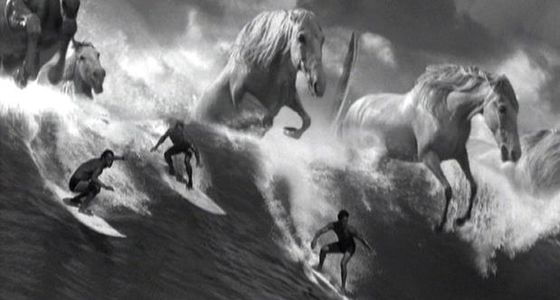
1. Guinness ‘Surfer’
This ad is one of the most celebrated commercials in history. It features a group of surfers waiting for the perfect wave, which eventually turns into galloping white horses. The seamless integration of VFX with real footage made it a masterpiece. The visuals symbolize the idea of waiting for something great, perfectly aligning with the brand’s message.
Why It Stands Out: This ad shows how VFX can transform a simple concept into something visually poetic.
2. Nike ‘The Last Game’
Nike’s animated ad for the 2014 FIFA World Cup tells a futuristic story of cloned footballers and their robotic precision. The original players, depicted as animated characters, must prove that creativity and flair are what make football beautiful.
Why It Stands Out: Nike combined 3D animation with a compelling narrative, using beloved football icons like Cristiano Ronaldo and Neymar to engage fans.

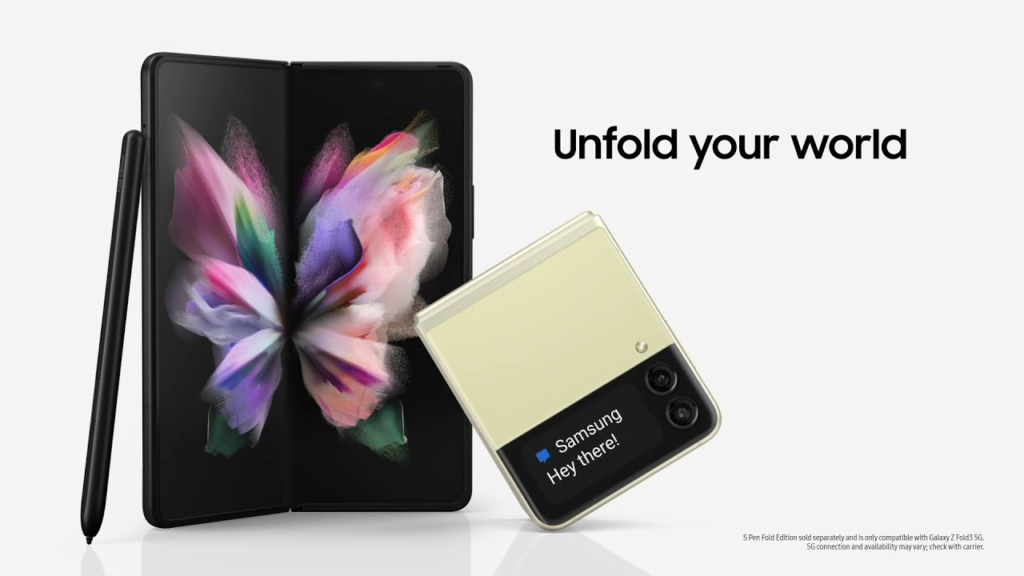
3. Samsung Galaxy Z Flip3 – ‘Unfold Your World’
Samsung’s ad for the Galaxy Z Flip3 smartphone used sleek 3D animations to demonstrate the phone’s folding capabilities. The visuals highlighted its innovative design while showcasing practical use cases.
Why It Stands Out: The ad used animation to simplify and highlight a complex piece of technology, making it easy for viewers to understand the product’s unique feature.
4. Coca-Cola ‘Happiness Factory’
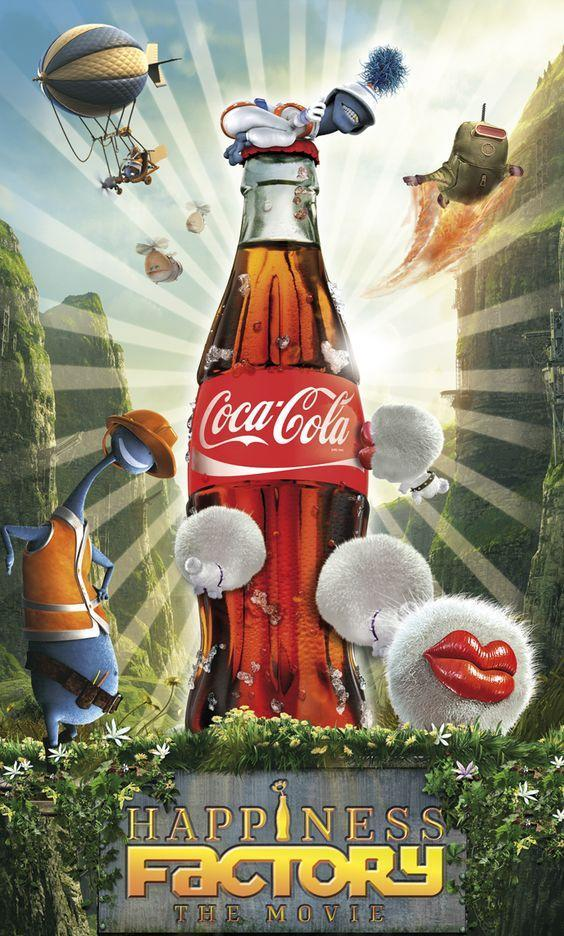
This ad took viewers on a whimsical journey inside a Coca-Cola vending machine. It depicted a magical world where animated creatures worked together to create the perfect bottle of Coke.
Why It Stands Out: The colorful 3D animation captivated audiences and made the brand feel more approachable and fun.
5. Sony Bravia ‘Balls’
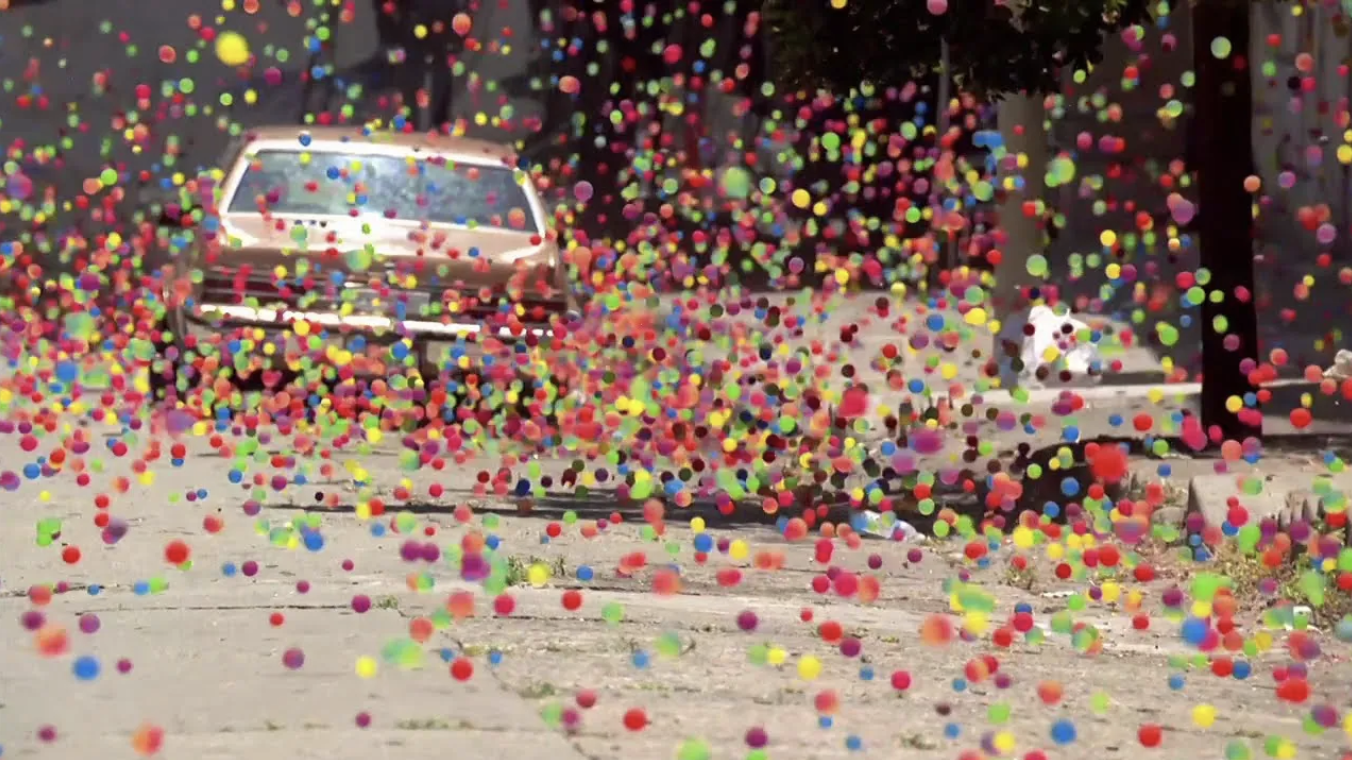
While not strictly 3D animation, this ad used VFX to make thousands of colorful balls bounce down the streets of San Francisco. The visuals were paired with a soothing soundtrack, creating a mesmerizing experience.
Why It Stands Out: It shows how VFX can turn a simple concept into something unforgettable, aligning perfectly with Sony’s tagline, “Color like no other.”
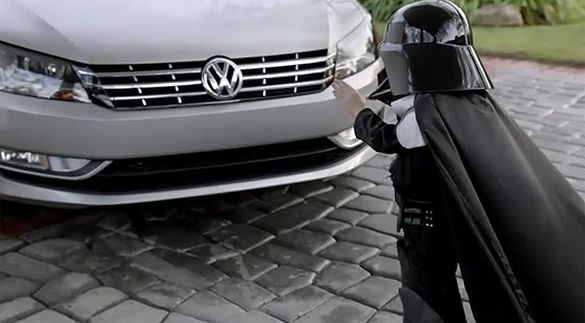
6. Volkswagen ‘The Force’
This commercial features a child dressed as Darth Vader trying to use “The Force” to control a Volkswagen Passat. The ad used subtle VFX to create the illusion of the car responding to the child’s actions.
Why It Stands Out: The combination of humor, storytelling, and visual effects made this ad a global sensation.
7. Apple ‘MacBook Air – Lightness’
Apple’s commercial for the MacBook Air showed the laptop being opened and closed repeatedly, floating in an ethereal white space. The use of 3D animation emphasized the product’s lightness and sleek design.
Why It Stands Out: The minimalistic yet impactful visuals made the product the hero of the ad.

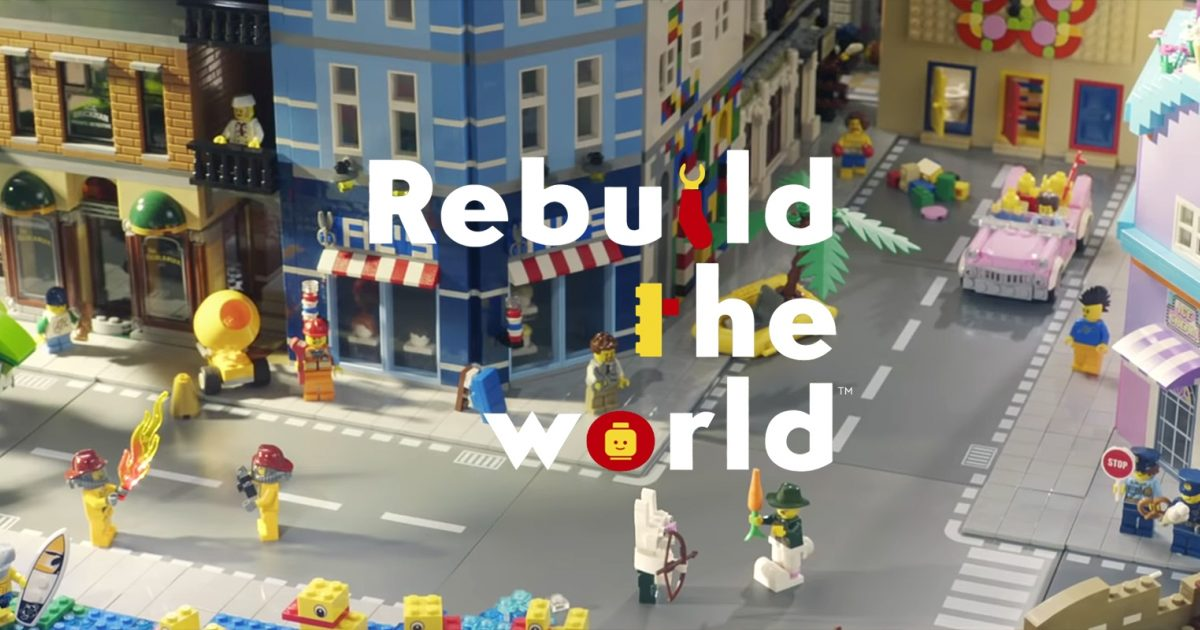
8. Lego ‘Rebuild the World’
This campaign celebrated creativity and imagination by showing a series of intricate Lego creations coming to life in a vibrant, animated world.
Why It Stands Out: The ad combined stop-motion techniques with 3D animation to create a seamless and visually stunning experience.
9. Adidas ‘Impossible Is Nothing’
Adidas’s campaign featured a mix of live-action footage and VFX to show athletes overcoming extreme challenges. The ads often used surreal visuals, like athletes running through impossible terrains or performing superhuman feats.
Why It Stands Out: The use of VFX helped to amplify the brand’s message of pushing boundaries.

10. John Lewis ‘The Bear and the Hare’
This holiday ad combined hand-drawn animation with 3D techniques to tell a heartwarming story of a bear experiencing Christmas for the first time. The visuals were paired with a touching soundtrack, making it emotionally impactful.
Why It Stands Out: It’s an excellent example of how animation can evoke strong emotional connections with viewers.

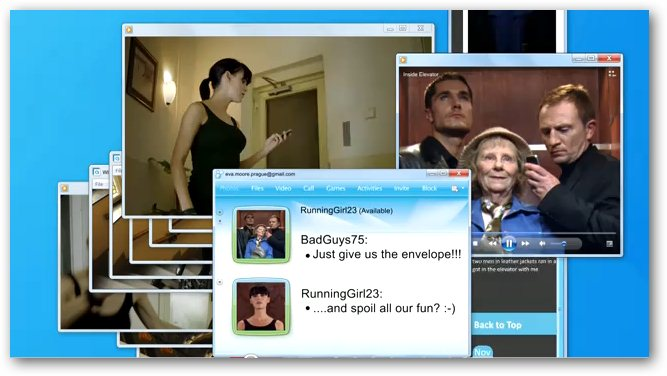
11. Intel ‘The Chase’
This ad for Intel’s processors cleverly depicts a high-speed chase that takes place within a computer desktop. Various software windows become part of the chase scene, showcasing Intel’s processing power.
Why It Stands Out: The ad uses VFX to creatively highlight the product’s performance, making technical features relatable and fun.
12. Old Spice ‘The Man Your Man Could Smell Like’
This ad became a cultural phenomenon, featuring seamless transitions made possible by clever VFX. The actor moves through multiple scenes without a single cut, emphasizing Old Spice’s versatility and uniqueness.
Why It Stands Out: VFX and precise editing make the transitions look effortless, enhancing the ad’s humor and appeal.

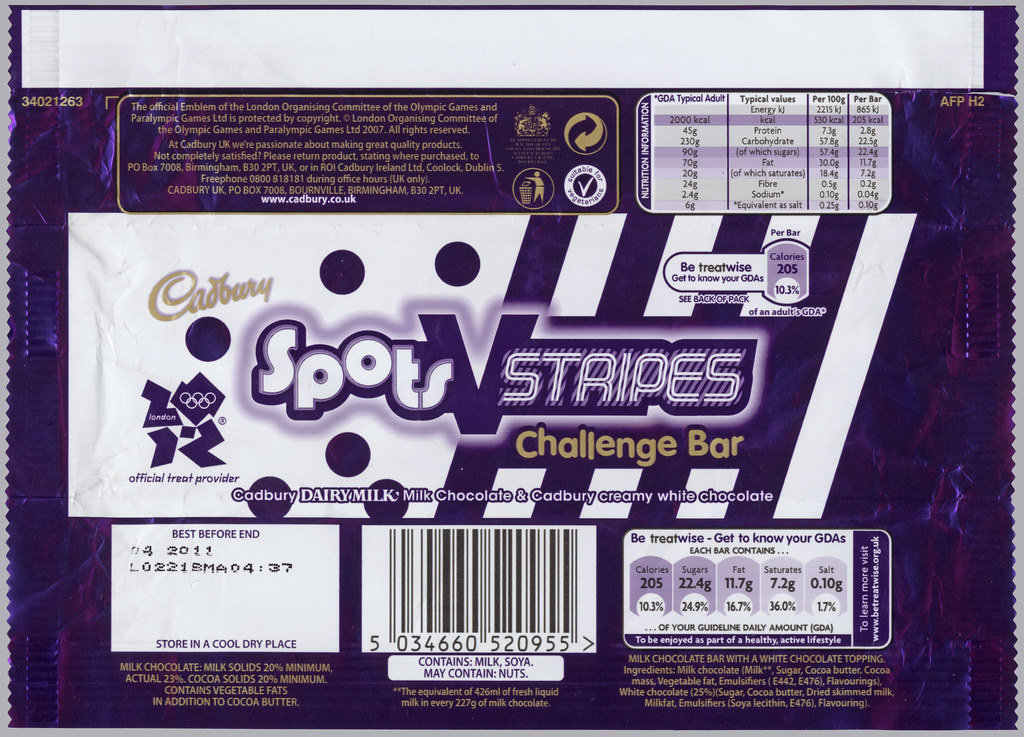
13. Cadbury ‘Spots v Stripes’
Cadbury used playful animations to show a fun rivalry between spots and stripes, aligning with the brand’s theme of joy and togetherness.
Why It Stands Out: The ad used 3D animation to create a cheerful and colorful world that reflects Cadbury’s brand values.
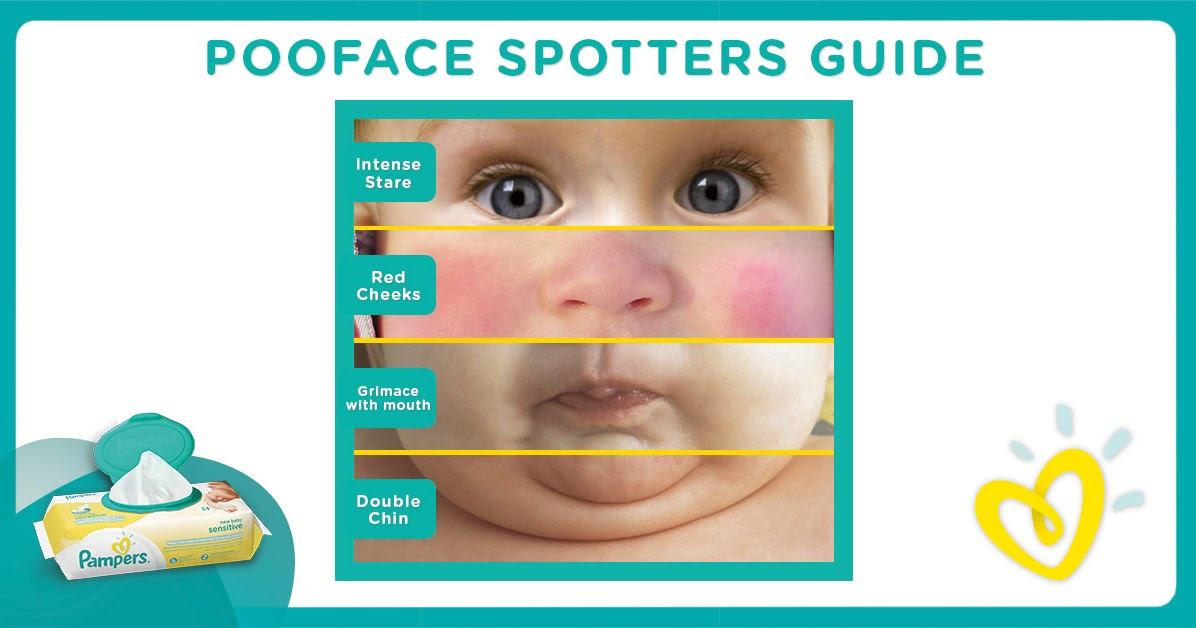
14. Pampers ‘Pooface’
This humorous ad features a series of slow-motion baby expressions combined with playful 3D graphics. It uses animation to emphasize the brand’s focus on comfort and care.
Why It Stands Out: Combining humor with relatable moments makes the ad unforgettable, especially for parents.
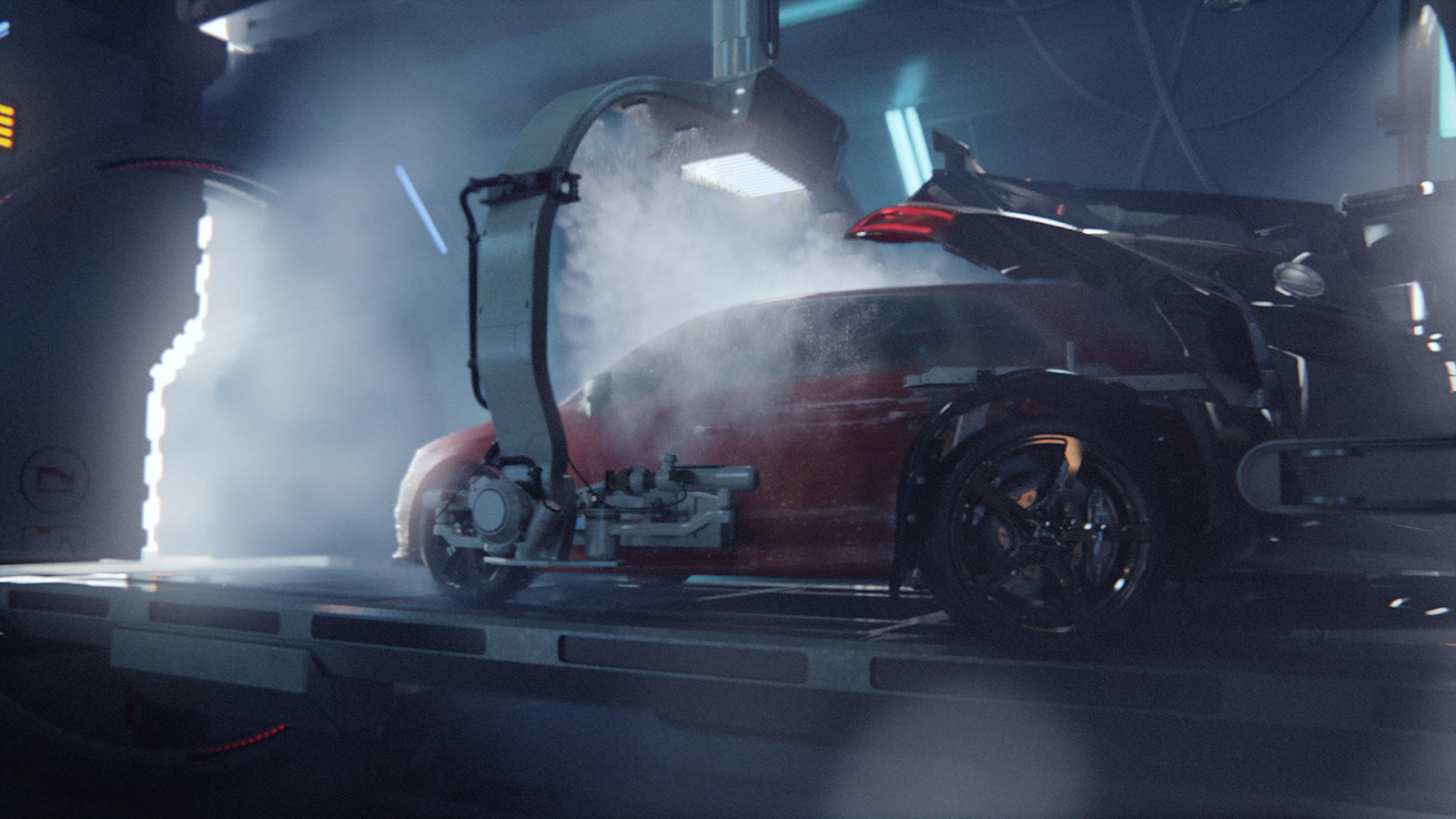
15. Audi ‘Birth’
Audi’s VFX-driven ad shows the “birth” of its latest car model in a futuristic factory setting. The visuals depict the car being assembled in an almost organic, lifelike manner.
Why It Stands Out: The ad uses VFX to blur the line between machines and art, reinforcing Audi’s reputation for innovation and design.
16. GE ‘The Boy Who Beeps’
This ad tells the story of a boy who communicates with machines through beeps. The use of VFX creates a magical atmosphere, highlighting GE’s technological advancements.
Why It Stands Out: The narrative and visuals emphasize GE’s innovation in a relatable and heartwarming way.

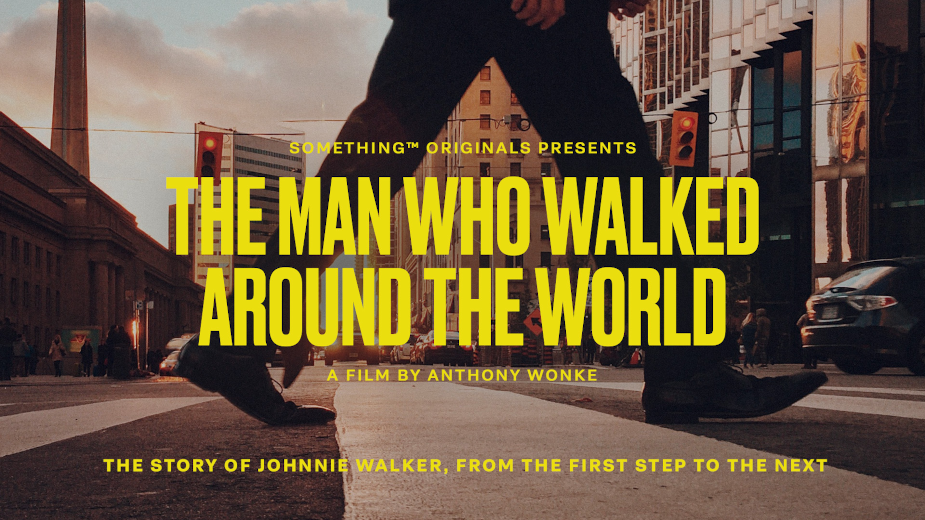
17. Johnnie Walker ‘The Man Who Walked Around the World’
This ad features a single-shot scene of a man walking and narrating the history of Johnnie Walker. Subtle VFX enhances the storytelling, making it visually engaging.
Why It Stands Out: The ad’s simplicity, combined with effective visual effects, makes it a masterpiece of storytelling.
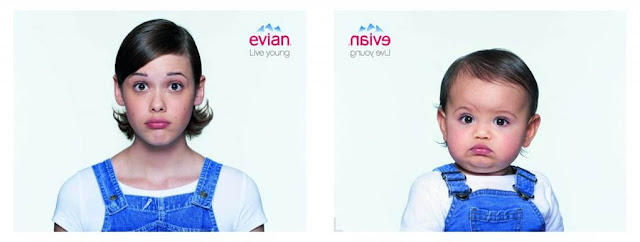
18. Evian ‘Baby & Me’
Evian’s ad features adults looking into mirrors and seeing baby versions of themselves dancing. VFX plays a crucial role in creating this amusing and heartwarming concept.
Why It Stands Out: VFX seamlessly blends live-action footage with animated elements, creating a fun and engaging ad.
19. Volvo Trucks ‘The Epic Split’
This iconic ad shows Jean-Claude Van Damme performing a split between two moving trucks. VFX enhances the visuals, ensuring safety while maintaining realism.
Why It Stands Out: The ad demonstrates precision and strength, aligning perfectly with Volvo’s brand values.

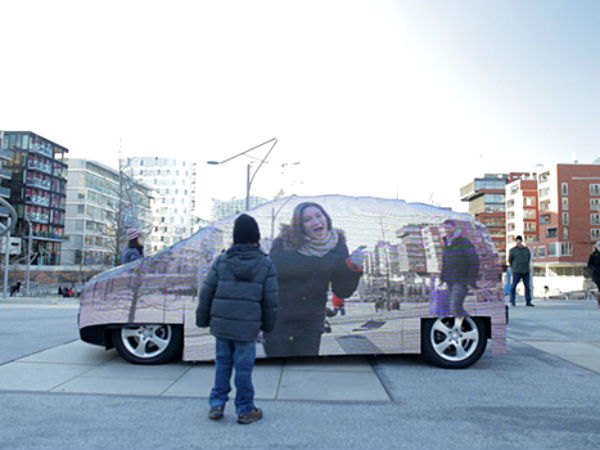
20. Mercedes-Benz ‘Invisible Car’
Mercedes used VFX to create the illusion of an “invisible” car to highlight its zero-emissions technology. The car was covered with LED panels displaying images of its surroundings, making it blend into the background.
Why It Stands Out: This creative use of VFX reinforces Mercedes’ commitment to sustainability.
The Role of 3D Animation and VFX in Shaping Product Advertising
1. Emotionally Engaging Content
One of the key strengths of 3D animation is its ability to evoke emotions. Ads like Coca-Cola’s “Happiness Factory” and John Lewis’s “The Bear and the Hare” tug at viewers’ heartstrings by combining meaningful storytelling with stunning visuals. Emotionally engaging ads create a strong connection with audiences and enhance brand loyalty.
2. Customizability and Flexibility
With 3D animation, there are no physical limitations. Brands can create any setting, character, or scenario they imagine. This flexibility allows animated explainer video makers to tailor their content to specific target audiences. For example, a health-tech company can demonstrate complex medical procedures through an explainer video without using real-life surgeries.
3. Cost-Efficiency for Long-Term Use
Although creating a high-quality 3D animated ad can be expensive initially, it often proves cost-effective in the long run. Digital assets created for one campaign can be repurposed for multiple platforms, such as social media, websites, and presentations. Animation companies in Kolkata often provide scalable solutions for brands looking for budget-friendly, high-quality ads.
4. Cross-Platform Adaptability
3D animations and VFX-driven ads work seamlessly across various platforms, including TV, websites, and social media. Their adaptability ensures consistent branding and messaging, no matter the medium.
Why 3D Animation Matters in Product Ads?
1. Precision and Clarity
Animation can simplify complex ideas. For example, a brand selling a new type of smartwatch can use a 3D animated explainer video maker to show how the product tracks health metrics or connects to other devices.
2. Memorability
Ads with stunning visuals tend to stick in viewers’ minds. For instance, Coca-Cola’s “Happiness Factory” is still remembered for its imaginative use of animation.
3. Versatility
Animation is suitable for any industry, from automotive to healthcare. Explainer video companies specialize in crafting content that fits diverse sectors and target audiences.
4. Increased Engagement
Studies show that animated ads often have higher engagement rates compared to traditional ads. This is because they are visually rich and entertaining.
Technical Steps in Creating 3D Animation for Product Ads
3D Modeling
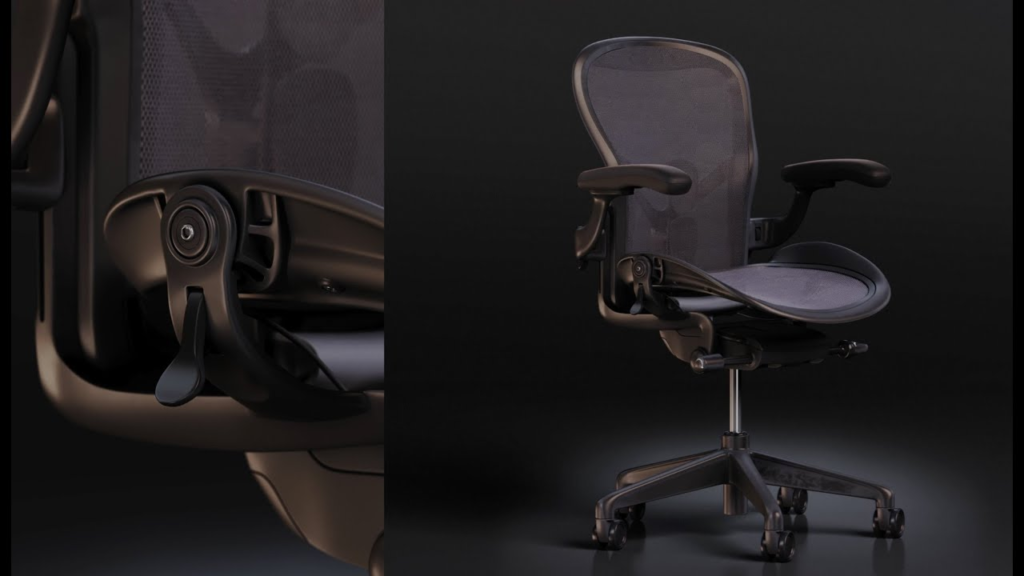
This involves crafting digital 3D objects, either by manually sculpting shapes or using photogrammetry to replicate real-world products. For product ads, precise modeling ensures every detail, such as contours, edges, and proportions, mirrors the actual item. Software like Blender, Maya, or ZBrush is commonly used.
Texturing and Shading
Textures provide surface details like colors, patterns, and material properties (e.g., glossiness, roughness). High-resolution textures and shaders, created using tools like Substance Painter, ensure realism, especially in close-ups. Proper UV mapping is critical for aligning textures seamlessly.
Rigging and Motion Design
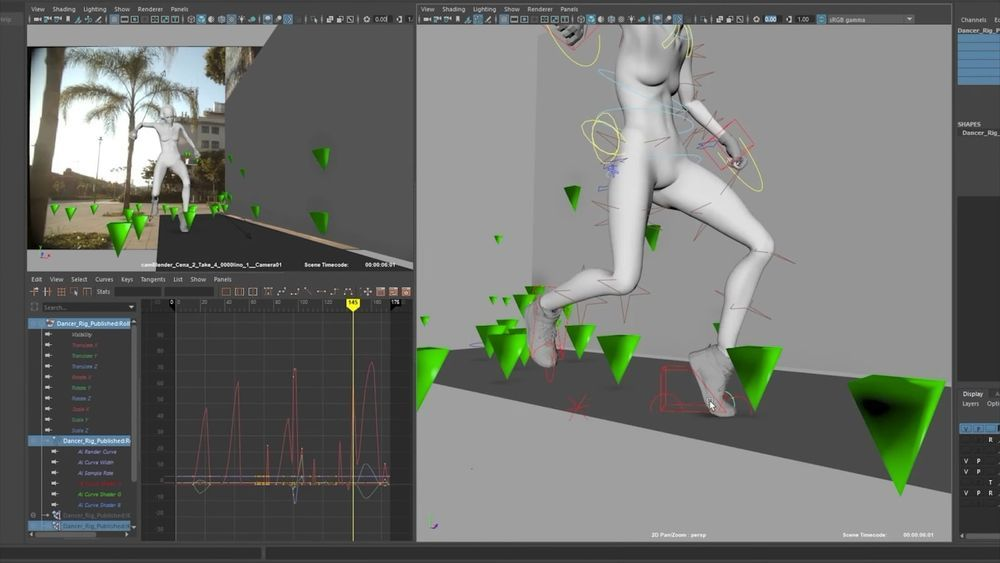
Rigging creates a skeletal framework for 3D models, enabling natural movement. Animators then apply keyframing or motion capture to create fluid motions. Tools like Autodesk Maya are widely used.
Lighting and Rendering
Lighting enhances depth, highlights textures, and sets the mood. Techniques like HDRI lighting create realistic reflections. Rendering engines (e.g., Arnold, V-Ray) convert animations into photorealistic images.
Post-Production and Compositing
In this stage, tools like After Effects or Nuke refine visuals, adding effects like motion blur, color grading, and particle simulations, ensuring the final output aligns with the creative vision.
How to Take Inspiration from Iconic 3D Animation Ads and Improve Your Work
Study Emotional Connection
Iconic ads often evoke emotions that resonate with viewers. For example, Coca-Cola’s Happiness Factory uses a magical world to create joy and excitement. Analyze how these ads build emotional bonds and think about how your content can connect with your audience on a deeper level.
Focus on Storytelling
Strong narratives make ads memorable. Ads like Nike’s The Last Game tell engaging stories that align with brand values. Observe how these ads structure their stories and incorporate a clear beginning, middle, and end into your animations.
Analyze Visual Creativity
The visual style of ads like Apple’s MacBook Air – Lightness showcases the product in innovative ways. Study how these ads use colors, lighting, and animations to make their content stand out, and explore new ways to enhance your visuals.
Observe Seamless Transitions
Ads such as Old Spice’s The Man Your Man Could Smell Like use smooth transitions to keep viewers engaged. Pay attention to how these transitions are designed and practice creating similar fluid movements in your projects.
Learn Technical Excellence
From precise modeling to realistic textures, technical quality is key. Study ads like Samsung’s Unfold Your World for advanced rendering and animation techniques, and focus on improving the technical aspects of your work.
Understand Brand Alignment
These ads are successful because they align perfectly with the brand’s identity. For instance, Volvo’s The Epic Split reflects precision and reliability. Ensure your animation communicates your brand’s core message effectively.
Experiment with Unique Concepts
Ads like Mercedes-Benz’s Invisible Car push creative boundaries. Think beyond traditional ideas and experiment with unique concepts that grab attention while showcasing your product.
Focus on Detail and Realism
High attention to detail makes ads like Audi’s Birth impactful. Study the intricacies of product design, textures, and lighting in such ads to achieve a realistic and polished look.
Learn from Audience Reactions
Iconic ads become memorable because they resonate with their audience. Research what makes these ads appealing to different demographics, and tailor your animations to address your audience’s preferences.
Push Your Creative Limits
These ads inspire creators to think big and take risks. Use them as motivation to step out of your comfort zone, explore new techniques, and continuously improve your craft.
FAQs
1. How can an animation company in Kolkata help with product advertising?
An animation company in Kolkata can create engaging 3D animated ads, explainer videos, and product animations tailored to your brand. They offer cost-effective, creative solutions for businesses of all sizes, ensuring better audience engagement and brand recognition through visually impactful advertisements.
2. What makes a good explainer video maker stand out?
A good explainer video maker simplifies complex ideas into engaging visuals, aligning with your brand and audience. They focus on strong storytelling, high-quality animation, and seamless production, delivering videos that effectively communicate your message and drive results.
3. Why hire an animated explainer video maker for your business?
Hiring an animated explainer video maker helps simplify complex concepts and engage your audience effectively. They create professional, visually appealing videos tailored to your business, boosting engagement, conversions, and brand recognition.
Conclusion
3D animation and VFX have set a new standard in advertising. They enable brands to create content that is not only visually stunning but also emotionally engaging. Whether it’s showcasing a product’s features or telling a captivating story, animation and VFX make it possible to connect with audiences on a deeper level. With experienced animation companies, including many based in Kolkata, brands have access to world-class talent that can bring their visions to life.By leveraging the expertise of explainer video creators, businesses can create ads that stand out in a crowded marketplace. These ads are not cherished for just selling products. They are loved by top animators for creating experiences that audiences remember and cherish.

By day I create engaging content along with infusing high-volume, low-competition keywords strategically so that it gets loved by you and Google Crawler. Off the clock? I scroll for fresh ideas. (Don’t judge, gotta fuel the creativity!)