Still Using Stock Footage? That’s Why No One Cares About Your Ads!

Why Your Ads Aren’t Getting Noticed (And How to Fix It)

You’ve spent time, effort, and budget crafting an ad, but the engagement just isn’t there. People scroll past, skip, or worse—don’t even remember seeing it. What went wrong?

It’s not always about the product or message. The problem could be something much simpler: your visuals just aren’t standing out.

The Problem with “Good Enough” Content

In a world where audiences are bombarded with content, playing it safe is the fastest way to be ignored. Many brands rely on stock footage because it’s quick, accessible, and looks professional—but looking professional isn’t the same as being memorable.

Think about the last ad that truly caught your attention. Was it something you’d seen a hundred times before? Probably not. The most impactful ads feel fresh, personal, and crafted with intent.

Now, compare that to generic stock footage—a smiling handshake, a slow-motion coffee pour, an office team high-fiving. It’s polished, but does it actually say anything?

The Science of Why Stock Footages/ Videos Fails

Consumers process visuals faster than text, which means your imagery needs to tell a story instantly. Stock footage, however, lacks context. It wasn’t made for your brand, and that disconnect is obvious to viewers.

More importantly, research shows that people engage more with content that evokes emotion. Authentic videos, built around real experiences and tailored storytelling, trigger emotional responses—while stock footage remains generic and forgettable.

Even big brands don’t rely on random clips. Nike doesn’t use stock athletes. Airbnb doesn’t showcase random hotels. They invest in original content because it builds trust, connection, and engagement.

The Hidden Cost of Stock Footage

Stock footage isn’t just uninspiring—it can actually hurt your brand.

  • Lack of originality → If competitors use the same footage, your brand loses distinction.
  • No emotional hook → Without real storytelling, viewers won’t relate or remember.
  • Inconsistent branding → Mixed styles from different clips create a disjointed message.
  • Perceived inauthenticity → Audiences recognize stock content and may see your brand as impersonal.

What Works Instead?

If you want your ads to drive real engagement, your visuals need to be as unique as your brand.

  • Custom Video Production → Tailored content designed for your brand message.
  • Motion Graphics & Animation → Visually compelling ways to explain complex ideas.
  • Product & Brand Films → Showcasing real products and experiences builds trust.
  • Strategic Video Marketing → Well-crafted storytelling ensures higher engagement.

Still not convinced? Look down at the infographic below for a breakdown of why stock footage could be holding your brand back—and what you can do about it.

Conclusion

Stock footage might seem like an easy solution, but it often lacks the originality and emotional depth needed to truly connect with your audience. Brands that invest in custom video solutions, motion graphics, and brand-focused storytelling don’t just capture attention—they build lasting connections.

Engineering Training Reimagined with 3D Motion Graphics

As technology advances, various industries—including engineering, aviation, and construction—are adopting innovative tools to improve the learning experience, and engineering is no different. Traditional training methods, which often depend on static diagrams and manuals, are being supplanted by immersive 3D motion graphics. These tools offer engineers, pilots, and safety personnel dynamic, interactive, and visually captivating ways to grasp complex concepts, making training not only more effective but also more accessible

Why 3D Motion Graphics for Engineering Training?

3D motion graphics add a new dimension to engineering education by presenting concepts in visually engaging and easily understandable formats. These graphics enable learners to visualize complex systems, processes, and components in action, effectively bridging the gap between theory and practical application.  

Key Benefits:  

  • Enhanced Retention: Research indicates that people retain 65% of visual information compared to only 10% of text-based information (Insivia).  
  • Interactive Learning: Interactive 3D graphics boost comprehension by involving learners in active problem-solving.  
  • Accessibility Across Platforms: These visuals can be incorporated into e-learning platforms, allowing engineers to learn at their own pace and revisit concepts as necessary.  

Broader Application Across Industries:

3D motion graphics extend beyond just engineering; they are revolutionizing training in multiple industries. For example, in aviation, pilot training programs use realistic simulations to equip trainees for actual flying scenarios while eliminating the dangers of real flights. Likewise, in construction and manufacturing, safety training leverages 3D animations to illustrate correct safety procedures and equipment usage, which greatly minimizes workplace accidents.

Transforming Complex Concepts into Understandable Visuals  

In disciplines such as mechanical, electrical, civil engineering, aviation, and labor safety, grasping intricate workings is essential. 

With 3D motion graphics:

  • Engineers can examine virtual prototypes of machines; pilots can simulate flight scenarios to understand aircraft dynamics; and safety personnel can visualize emergency procedures effectively.
  • Simulations illustrate the impact of stress, heat, or load on materials, deepening the understanding of real-world applications.  
  • Training modules can visually represent complex procedures, minimizing errors and enhancing efficiency.

Statistics Highlighting the Power of Visual Learning:

  • A significant 91% of employees believe that visual learning materials enhance their understanding of tasks (ContentBeta). 
  • Companies that incorporate video into their training programs see a 37% boost in knowledge retention (Wyzowl). 
  • 3D simulations and animations can reduce training time by as much as 50% compared to traditional methods (ScienceDirect).

A Paradigm Shift in Engineering Training

By incorporating 3D motion graphics into training initiatives, organizations are establishing new standards for efficiency and engagement. Unlike traditional manuals, these graphics allow engineers to visualize processes from various perspectives, making it easier to spot potential problems before they occur. Furthermore, the capability to simulate real-world scenarios with 3D models gives engineers practical experience without the need for costly equipment or compromising operational safety.

Future Outlook

The incorporation of 3D motion graphics in engineering training reflects a broader shift towards immersive learning in various fields, including aviation and construction. The combination of technologies like augmented reality (AR) and virtual reality (VR) is set to bring about even more significant changes.

Explore the infographic below to learn more about how 3D motion graphics are reshaping the way engineers learn and apply their skills in the real world.


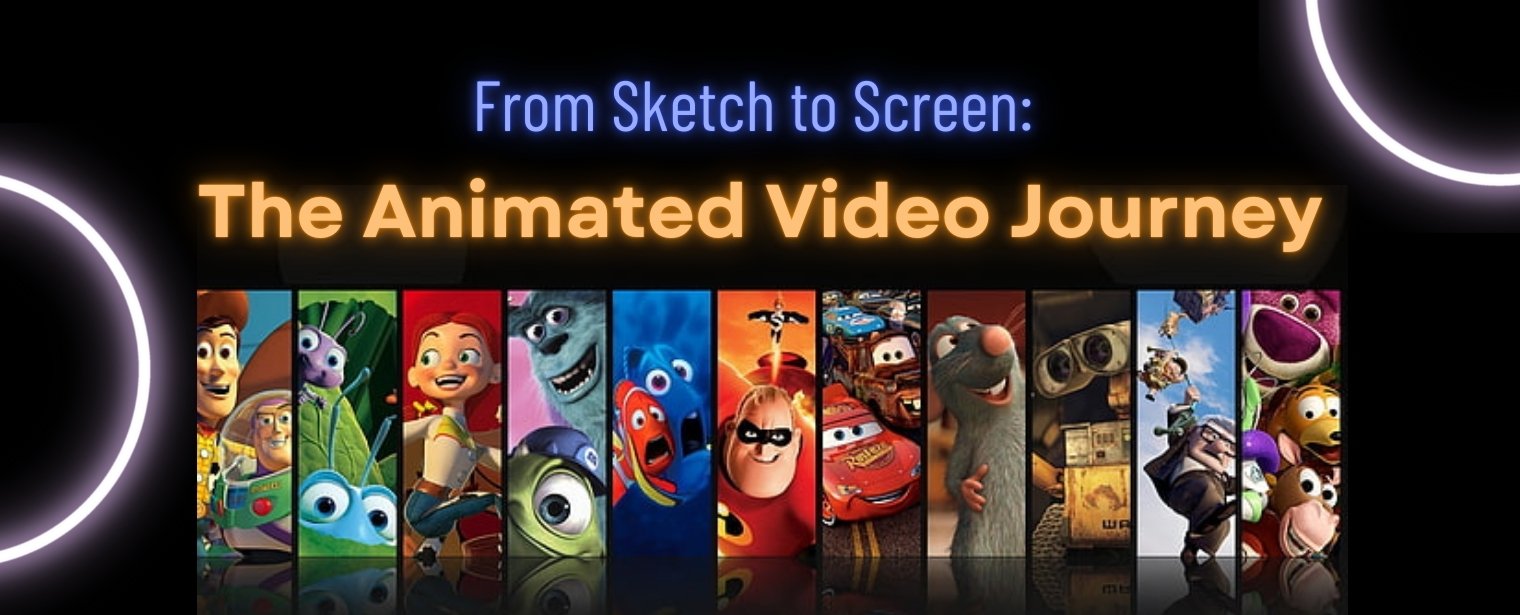
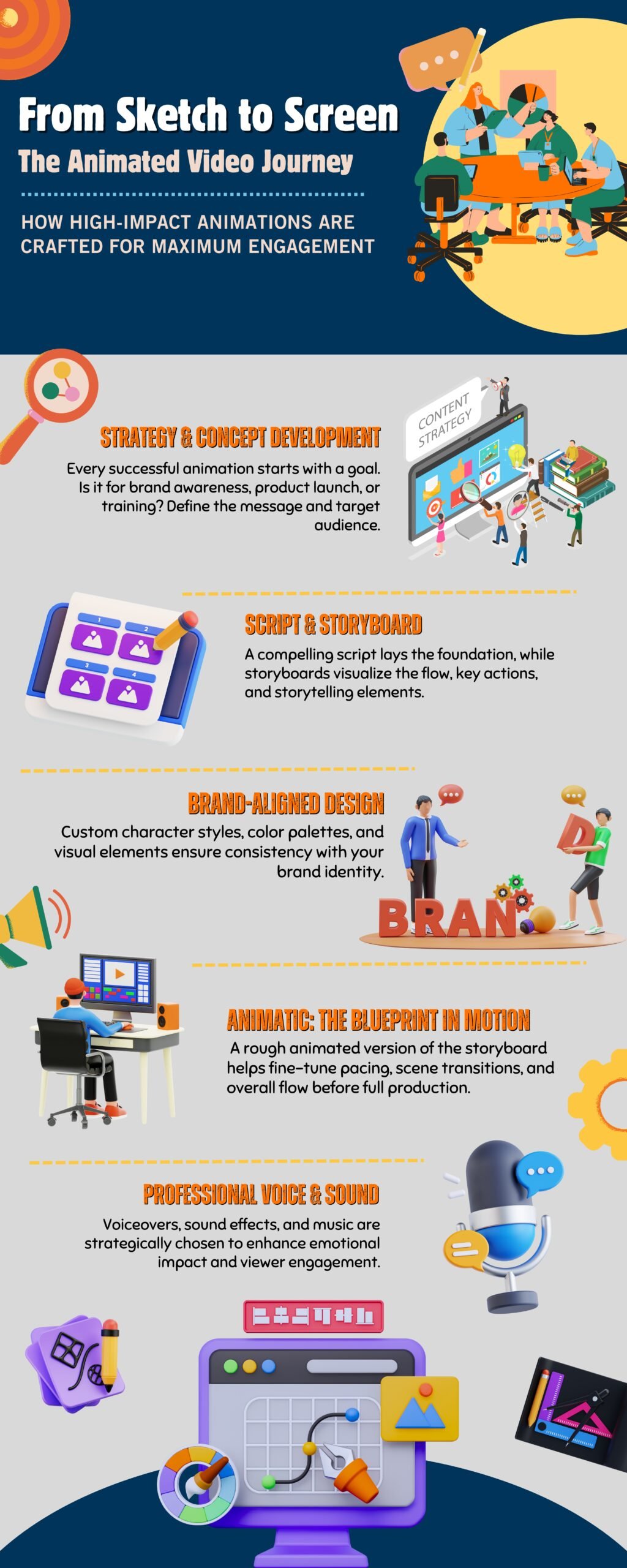
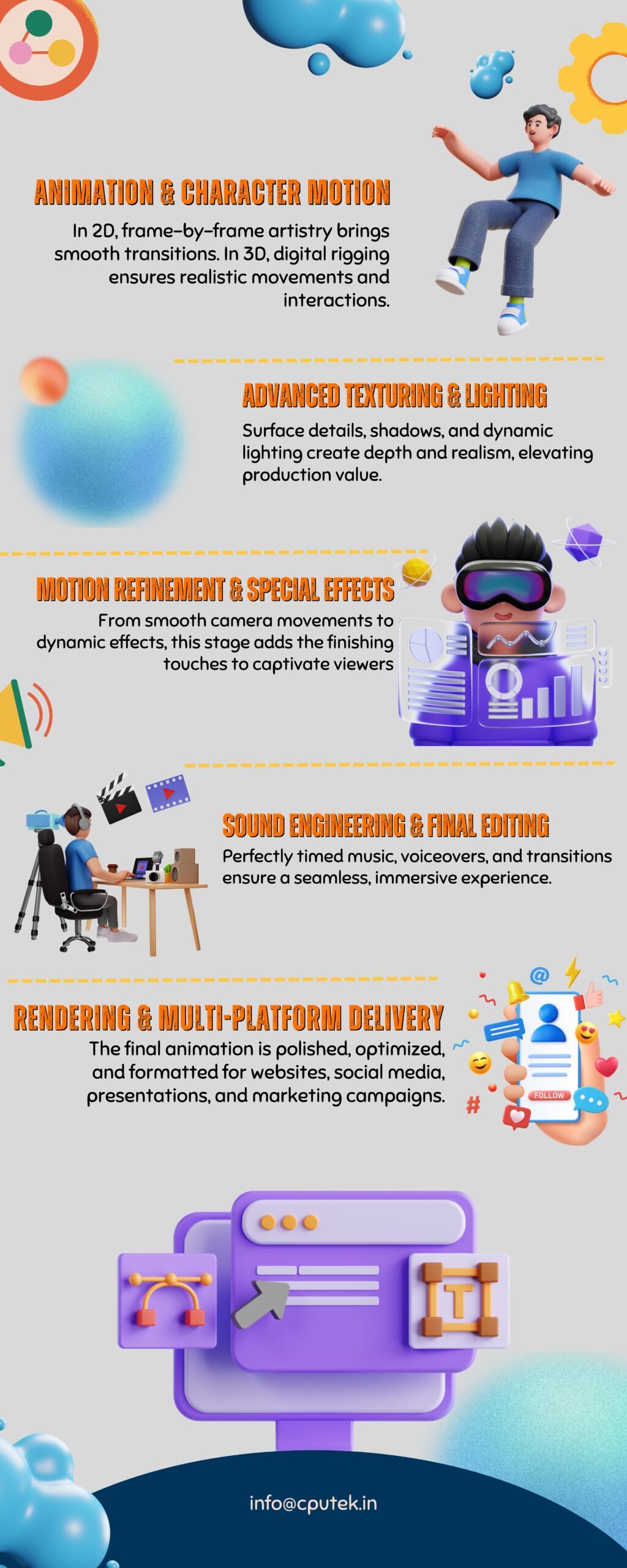
From Sketch to Screen: The Animated Video Journey

Why Animation is the Secret Weapon for Brands That Want to Stand Out

We live in a world where people scroll through their phones at lightning speed. Attention spans are shorter than ever, and traditional marketing methods don’t always cut it anymore. So how do you make people stop, watch, and actually remember your message?

The answer: animation.

It’s not just for cartoons and entertainment—it’s a business tool that has the power to boost engagement, explain complex ideas, and leave a lasting impression.

Why Animated Videos Work So Well

Think about the last time you came across an interesting animation online. You probably watched it till the end, right? That’s because animation makes information easy to digest and fun to watch.

Studies show that people remember 95% of a message when they watch it in a video, compared to only 10% when reading text. This is exactly why brands are shifting towards animated content—it grabs attention and makes sure the message sticks.

Real-World Wins: Brands That Used Animation to Their Advantage

  • Dropbox’s Million-Dollar Explainer Video
    When Dropbox first launched, hardly anyone understood what cloud storage was. Instead of writing long articles or recording a dull product demo, they created a simple, engaging animated explainer video. The result? A 10% increase in conversions, leading to millions of dollars in revenue.

  • Tesla’s 3D Car Launches
    Tesla doesn’t just talk about new car models—they show them in action using high-end 3D animations. Before a single car is built, Tesla creates sleek, futuristic animations that highlight key features, creating buzz and pre-orders months in advance.

Why Every Industry Can Use Animation

You don’t have to be a tech giant to benefit from animation. Businesses across industries are using animated videos to communicate more effectively:

  • Tech & SaaS – Complex software? No problem. Animated explainer videos simplify difficult concepts.
  • Healthcare – Medical procedures and training become easier to understand with animated simulations.
  • E-commerce – Animated product demos highlight key features and drive more sales.
  • Education – Animated learning modules make training fun and interactive.

What Businesses Get Wrong About Animation

Some companies hesitate to use animation because they think it’s expensive or complicated. But the truth is, a well-planned animation has long-term ROI. Unlike live-action videos, animations don’t get outdated quickly. You can easily update them, repurpose them across platforms, and avoid expensive reshoots.

For example, Slack consistently uses animations in their branding, making their updates and tutorials feel fresh and engaging.

How to Use Animation for Your Business

  • Define your goal: Are you explaining, selling, or simplifying? Having a clear purpose will shape your animation.
  • Invest in quality production: A well-made animation reflects the credibility of your brand.
  • Think multi-platform: A single animation can be used on your website, social media, and marketing presentations.

Want to See How an Animation is Made?

Creating an animated video is a step-by-step process, from brainstorming ideas to final rendering. Check out the infographic below to see how an animation comes to life!


Why Motion Graphics Are Taking Over Digital Marketing

The way we consume content has changed. People scroll fast, skip ads, and ignore anything that doesn’t grab their attention immediately. In a crowded digital space, standing out isn’t optional—it’s necessary. This is why motion graphics have become a game-changer for brands looking to make an impact.

Why Traditional Content Isn’t Enough

For years, businesses have relied on static images, long text posts, and traditional video ads. While they still have their place, they often struggle in today’s fast-paced digital world. If content doesn’t catch the eye in the first few seconds, it’s gone.

Static images may be polished, but they don’t always tell a compelling story. Traditional videos, while effective, can be expensive and time-consuming to produce. Motion graphics fill the gap, combining visuals, animation, and text to deliver messages quickly and effectively.

Why Motion Graphics Work So Well

People process visuals much faster than text, making motion graphics a powerful way to communicate complex ideas. Instead of reading a long explanation, viewers can absorb the same information in a few animated frames.

Beyond that, motion graphics boost memory retention. Studies show that people remember 95% of a message when they see it in video form, compared to just 10% from reading text. This makes motion graphics a smart tool for building brand recognition and improving engagement.

How Different Industries Use Motion Graphics

Motion graphics are incredibly versatile, which is why so many industries rely on them:

  • Tech & SaaS – Simplifying complex software through animated explainers
  • E-commerce – Showcasing products in engaging motion ads
  • Finance & Healthcare – Turning data into easy-to-understand visuals
  • Education & Training – Making learning interactive and engaging

No matter the industry, motion graphics help businesses communicate clearly, tell better stories, and keep audiences engaged.

The Future of Digital Marketing

Video content is dominating digital marketing, and motion graphics are at the forefront. Platforms like Instagram, TikTok, and LinkedIn prioritize video in their algorithms, making it essential for brands to adapt. With AI-driven tools and new animation techniques emerging, motion graphics will only become more dynamic and effective.

Want to see why motion graphics are shaping the future of marketing? Check out the infographic below for a detailed breakdown.

Conclusion

For the current digital space, brands don’t just need content—they need content that grabs attention, delivers value, and sticks with the audience. Motion graphics do exactly that, making them one of the most effective marketing tools today. If your brand isn’t using them yet, it’s time to start.

Motion Graphics,
Digital Marketing Trends,
Visual Marketing,
Animated Content,
Marketing with Motion,
Motion Design,
Video Marketing,
Engaging Content,
Motion Graphics Benefits,
Creative Marketing,

20 Popular Styles of Video Animation

Choosing the Right Animation Style: More Than Just Aesthetic

Animation is more than just moving visuals—it’s a storytelling powerhouse. Whether you’re creating an explainer video, a marketing campaign, or an immersive digital experience, the right animation style can make all the difference. But with so many styles out there, how do you decide which one suits your needs?

The key lies in understanding your message, audience, and industry. A SaaS company might benefit from sleek motion graphics, while a children’s brand may thrive on vibrant 2D animation. The wrong choice? It could weaken your message, making it forgettable rather than impactful.

Why Animation Styles Matter

Animation isn’t just about looks—it influences how your content is received. A hyper-realistic CGI animation will create a sense of sophistication, while minimalist animation keeps things clean and digestible. Your style dictates engagement.

For example, imagine an e-learning company using a whiteboard animation versus a cinematic 3D sequence. The whiteboard style enhances clarity, making complex ideas easy to follow, whereas the 3D animation could be over complicated and distract from the lesson. Choosing the right format ensures your audience connects with your content in the intended way.

Trends vs. Timelessness

Many businesses fall into the trap of chasing animation trends without considering longevity. While liquid motion and kinetic typography are eye-catching now, will they still be relevant in a year? Some styles, like traditional 2D animation, have a timeless appeal, ensuring your content remains effective long after its release.

Take a look at Pixar. Despite technological advancements, they still use a blend of hand-drawn techniques and CGI, ensuring their storytelling remains emotionally engaging while keeping up with modern visuals.

Making the Right Choice

Before determining which animation style is right for you, you must asses through the below questions. 

  • Who is my audience? Younger audiences may respond to bold, exaggerated animation, while corporate clients may prefer polished motion graphics.
  • What’s my goal? Selling a product? Educating? Entertaining? Each goal aligns with different animation styles.
  • What’s my brand personality? Playful brands thrive on vibrant 2D styles, while tech firms may prefer sleek 3D elements.

See the Infographic Below

Want a clear breakdown of 20 animation styles and their best applications? Check out the infographic below for a visual guide that helps you pick the perfect fit.

Conclusion

The right animation style is a strategic choice that impacts how your audience perceives your brand. Whether you’re looking for engagement, clarity, or emotional connection, the right visuals can make all the difference. Take the time to choose wisely, and your content won’t just be seen—it’ll be remembered.

10 Business YouTube Channels in 2025 That’ll Make You Feel Dumb for Not Subscribing!

The world of business is evolving at lightning speed, and staying ahead requires more than just experience—it demands continuous learning. Whether you’re an entrepreneur, marketer, or aspiring business leader, YouTube has become an invaluable platform for gaining industry insights, mastering new skills, and keeping up with emerging trends.

But with thousands of business-related channels available, how do you separate the best from the rest? We’ve done the work for you!

Why YouTube Is a Game Changer for Business Learning

Gone are the days when business knowledge was confined to textbooks and expensive seminars. Today, YouTube offers free, high-quality education from industry experts, successful entrepreneurs, and marketing gurus—all at your fingertips.

From mastering digital marketing to understanding financial strategies, these YouTube channels provide real-world lessons that you can apply immediately to grow your business. The best part? They’re not just educational—they’re engaging, inspiring, and designed to keep you hooked.

What Sets These Channels Apart?

  1. Expert-Led Content: These channels aren’t just run by content creators—they are helmed by successful business leaders who have been in the trenches and know what it takes to succeed.

  2. Actionable Insights: It’s not just theory. These experts break down complex business strategies into step-by-step guidance you can implement.

  3. Diverse Perspectives: From startup accelerators to social media marketing to AI-driven automation, the content covers every major business domain.

  4. Proven Track Records: These channels have not only garnered millions of subscribers but have also transformed the way businesses operate.

The Must-Follow Business YouTube Channels of 2025

We’ve compiled a powerful list of the top 10 YouTube channels you should be following right now. Instead of just giving you another list of names, we’ve designed an easy-to-digest infographic that highlights each channel along with its subscriber count and core expertise.

Check out the infographic to discover the top business YouTube channels of 2025!

Conclusion

Every successful entrepreneur understands one thing—continuous learning is non-negotiable. The knowledge shared by these channels is invaluable, and the best part? It’s absolutely free. So, if you’re not already subscribed, now’s the time to change that.

These channels could be the missing piece in your business growth strategy. Start watching, start learning, and most importantly—start applying what you learn.


UX Design | Then vs. Now

Every day, we interact with digital interfaces without even thinking about it. A few taps on a smartphone screen, a quick glance at a smartwatch, or a seamless voice command to a smart assistant, these experiences feel natural. But it wasn’t always like this.

The Shift in UX Design: Why It Changed and What It Means for Users

There was a time when interacting with digital platforms was a frustrating task. Websites were cluttered with too much text, and navigation was an afterthought. Digital products were built with a focus on functionality rather than how users would feel using them. UX design was not a priority; it was something designers did only after everything else was built.

So what changed? And why did certain UX design choices dominate specific time periods? Let’s explore some of the key design trends from the past and present, and the user behaviors that influenced them.

Check out the attached infographic below for a detailed overview in pointers divided in two sections as to what worked in the 90s and what 2025 demands in UX design. 

Why UX Wasn’t a Priority in the 90s

In the 90s, digital products were treated as tools. The idea was simple: build a functional system, and users would figure it out. There were no structured UX research methods, and usability was often ignored.

Why was this the norm in the 90s?

  • Limited awareness of user behavior: At that time, designers were more focused on coding and technology rather than the psychological aspects of how people interact with digital interfaces.
  • Users were tech-savvy by default: Only a niche audience engaged with digital platforms, and they were willing to put in the effort to learn how to use them. The general expectation was that users should adapt to technology, not the other way around.
  • Cluttered screens reflected the print world: Digital design was heavily influenced by newspapers and books, leading to text-heavy screens and static layouts with minimal interaction.

For users back then, having access to digital platforms itself was a big deal. They didn’t expect convenience or intuitive interactions. The focus was on getting information, even if it took effort.

What Changed in UX Design Over the Years?

Fast forward to today, and UX design has become a defining factor in the success of any digital product. Users expect seamless, personalized, and visually appealing experiences. Every tap, scroll, and interaction is designed to feel effortless. This shift didn’t happen overnight. It was driven by changing user expectations and advancements in technology.

Why Simplicity Became the Focus in 2025

One of the biggest trends in 2025 is intentional minimalism. Screens are cleaner, interactions are smoother, and distractions are reduced. The goal is to make everything feel natural and intuitive.

Why did this shift happen?

  • Users expect speed and efficiency: The more digital interactions become a part of daily life, the less time people want to spend figuring out an interface. If something feels confusing, users will abandon it.
  • Overloaded interfaces cause fatigue: In earlier decades, the focus was on adding as many features as possible. Today, UX designers prioritize clarity and ease of use over complexity.
  • AI-driven personalization reduces clutter: Users no longer need to see everything at once. AI helps tailor content and actions based on user behavior, reducing the need for overwhelming menus and options.

The Growing Importance of Accessibility and Inclusivity

In the past, accessibility was often overlooked. Digital experiences were designed for the “average” user, leaving out those with disabilities.

Why is accessibility a core UX trend now?

  • Laws and regulations demand it: Many countries now require digital platforms to meet accessibility standards. Businesses that fail to prioritize accessibility face legal risks.
  • Users demand inclusive experiences: With growing awareness, users expect brands to create digital experiences that work for everyone, regardless of physical ability.
  • Technological advancements make it possible: AI-powered voice assistants, screen readers, and adaptable interfaces help bridge accessibility gaps.

Seamless Multi-Platform Experiences

Back in the 90s and early 2000s, users primarily interacted with digital platforms through desktop computers. Today, users switch between devices constantly; smartphones, tablets, wearables, and even voice-controlled assistants.

Why has cross-platform UX become so important?

  • Users demand consistency: A person browsing an e-commerce site on their phone expects to continue the experience seamlessly on their laptop or smartwatch without any disruptions.
  • Voice, gesture, and touch interactions matter: UX is no longer just about screens. Users interact through multiple input methods, and interfaces need to be designed accordingly.
  • Personalization follows users across devices: AI-driven UX ensures that experiences are tailored regardless of the device being used.

The Role of AI in Modern UX

Another major shift in 2025 is how artificial intelligence shapes user experiences. From chatbots that guide users in real-time to predictive design that anticipates what users want before they even ask, AI has changed the game.

Why is AI now a core part of UX design?

  • Users expect efficiency: AI reduces friction by providing instant answers, recommendations, and actions without requiring extra steps.
  • Personalization has become the norm: Interfaces now adapt dynamically to individual user behaviors rather than offering a one-size-fits-all experience.
  • Automation improves accessibility: AI-powered features like voice commands and auto-generated captions make digital platforms more accessible to diverse users.

What Does This Mean for the Future of UX?

The way users interact with digital products will continue to shift based on behavior, psychology, and technology. Companies that prioritize UX will retain users, while those that ignore it will see high abandonment rates.

If you’re curious about the specific UX design trends from the past and today, check out the attached infographic. It highlights key differences between how UX was approached in the 90s vs. how it’s designed today. Understanding this drastic change will help designers, businesses, and digital creators design better, and craft more user-friendly experiences moving forward.


The Anatomy of a High-Performing Social Media Video

What Makes a Social Media Video Truly Effective?

Social media is a battlefield for attention. With endless content flooding feeds, only a few videos break through the noise. What sets those high-performing videos apart? It’s not just creativity—it’s strategy, precision, and technical execution.

A great video isn’t just watched; it’s remembered, shared, and acted upon. Whether it’s a short-form reel or an in-depth brand story, the right elements must align for maximum impact.

The Science Behind Engagement

Viewers decide within seconds whether to stay or scroll. This makes the opening frame crucial. A high-performing video grabs attention instantly—through bold visuals, compelling text, or dynamic movement. Slow introductions or generic stock footage? Instant doom.

Beyond the hook, a well-structured narrative keeps the audience engaged. Every frame should serve a purpose, moving seamlessly from problem to solution, entertainment to information, or emotion to action.

The Role of Visual & Audio Precision

In this crowded digital world, clarity is king. High-resolution footage, precise motion graphics, and seamless transitions ensure that a video isn’t just seen but absorbed. Poor-quality visuals, choppy edits, or weak compositions weaken impact.

Sound matters just as much. While 85% of social media videos are watched on mute, those with clear subtitles and strategic use of music and voice overs retain viewers far better. Crisp audio enhances storytelling, while poorly mixed sound disrupts engagement.

Optimizing for the Right Platform

Not all content works everywhere. What captivates on TikTok may fail on LinkedIn. High-performing videos are designed with platform behavior in mind. Vertical formats dominate mobile screens, while long-form storytelling finds success on YouTube.

Adapting length, tone, and visuals for each channel isn’t optional—it’s essential. A great video isn’t just well-produced; it’s optimized for how people consume content.

Beyond Views: Measurable Impact

Engagement isn’t just about views. Watch time, shares, and interaction spikes reveal real performance. Data-driven refinement ensures continuous improvement, turning every upload into a learning opportunity.

Want to see what makes a social media video stand out? Check the infographic below for a breakdown of key elements.

Conclusion

High-performing social media videos don’t happen by chance. They are carefully crafted, optimized, and refined. Whether you’re creating brand awareness, driving conversions, or building engagement, execution matters just as much as creativity.

The Anatomy of a High-Performing Social Media Video

The Anatomy of a High-Performing Social Media Video

20+ Awesome Explainer Video Examples (2025)

Introduction

Explainer videos are powerful tools for businesses to connect with their audience. Whether you are promoting a product, service, or idea, an explainer video helps convey your message in a simple and engaging manner. These videos are highly effective in boosting brand awareness and increasing customer engagement. 

They break down complex concepts into digestible information, allowing viewers to easily understand what you offer. In 2025, the popularity of explainer videos continues to rise, and companies are increasingly investing in professional explainer video companies to ensure their messages reach the right audience. 

In this blog, we will explore over 20 amazing explainer video examples that will inspire you. Whether you are creating an explanation video for your business or looking for ideas for your next marketing campaign, this list will give you a glimpse of what works.

Why Explainer Videos Are Important

Explainer videos are essential tools for businesses to present their products, services, or ideas in a simple and visually engaging way. A well-crafted explainer video quickly captures attention, simplifies complex information, and ensures viewers retain the message.

These videos use dynamic storytelling, captivating visuals, and animation to keep the audience engaged, making information more digestible and memorable.

The key benefit of explainer videos is clarity. They break down complex concepts into easy-to-understand, bite-sized information, which leads to higher conversions as viewers better grasp the value of a product or service. Additionally, explainer videos are highly shareable, helping brands extend their reach through social media.

When crafted well, an explainer video not only clarifies your business’s message but also serves as a powerful marketing tool. Partnering with an explainer video company in India can significantly enhance your business’s visibility and customer engagement, creating impactful content that resonates with your target audience.

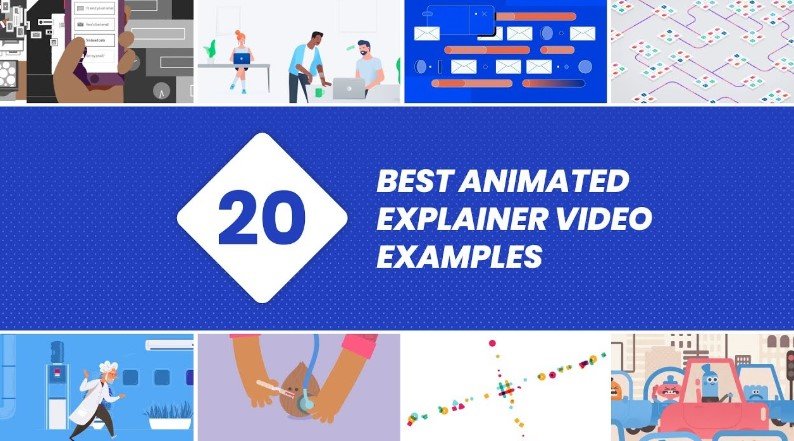
20 Awesome Explainer Video Examples

Now, let’s dive into some explainer video examples to see how these videos are being used creatively across different industries.

1. Dropbox

Dropbox is a well-known cloud storage service that allows users to store, access, and share files easily. Its explainer video simplifies the concept of cloud storage by walking viewers through the service’s key features. The video demonstrates how Dropbox offers easy file syncing across devices, sharing capabilities, and online collaboration. The explanation video does an excellent job of breaking down the service in a clear and understandable way, even for those unfamiliar with cloud-based services. Dropbox’s video became an essential marketing tool for explaining its benefits and attracting new users, showcasing the power of explainer videos.

2. Airbnb

Airbnb’s explainer video is a great example of how to use visuals and clear messaging to convey a service’s value. The video highlights how Airbnb connects travelers with unique accommodations around the world, simplifying the booking process. With fun animations and a clear voiceover, the video explains how users can both list their spaces and book stays with ease. Airbnb’s explainer video appeals to both hosts and guests, showing how the platform offers flexibility, convenience, and security. It’s a perfect demonstration of how an explainer video can introduce a business model and attract a wide audience.

3. Slack

Slack’s explainer video introduces the platform as a central hub for team communication. Through a concise and engaging video, it demonstrates how Slack organizes conversations, integrates with other tools, and helps teams stay connected. The explainer video walks users through the features like channels, direct messaging, and file sharing in a simple, easy-to-follow manner. By using clear visuals and helpful narration, the video shows why Slack is ideal for both large corporations and small teams. It effectively explains the platform’s value proposition, making it an essential part of Slack’s marketing strategy.

4. Dollar Shave Club

Dollar Shave Club’s explainer video became an instant classic due to its humor, simplicity, and clear messaging. The video introduces the concept of a subscription service for shaving products, showcasing how the company delivers high-quality razors directly to customers’ doors. With a witty tone and a direct, no-nonsense approach, the video grabs attention and explains the service in an engaging way. By using relatable language and a fun storyline, the explainer video effectively conveys the brand’s value while making it easy for viewers to understand the service and the benefits it offers.

5. Duolingo

Duolingo’s explainer video is a great example of how to use animation and fun visuals to introduce a language-learning app. The video clearly explains how Duolingo’s lessons work, emphasizing the app’s interactive and gamified approach to learning. Through playful animation, the video shows how users progress through levels, earn rewards, and learn a new language at their own pace. The explainer video is designed to appeal to all ages, making learning a new language feel fun and accessible. It’s a perfect example of how explainer videos can simplify a concept and make it appealing to users.

6. Mailchimp

Mailchimp’s explainer video focuses on the platform’s email marketing tools and how they help businesses reach their customers more effectively. The video walks through Mailchimp’s key features, including email campaign creation, automation, and analytics. With simple animations and clear explanations, the video shows how easy it is to set up a professional email marketing campaign. By focusing on the user experience, the explainer video helps potential customers understand how Mailchimp simplifies email marketing and makes it accessible to businesses of all sizes. It’s a great example of how an explainer video can clarify a complex service.

7. Trello

Trello’s explainer video showcases its project management tool in a straightforward, engaging manner. The video explains how users can create boards, organize tasks, and collaborate with team members to stay on track with projects. Through clear visuals and simple narration, the explainer video demonstrates how Trello helps teams manage their workflows efficiently. The video highlights the platform’s intuitive interface and its flexibility in organizing tasks, making it a go-to tool for productivity. Trello’s explainer video helps potential users quickly understand the value of the platform and how it can streamline project management.

8. Wix

Wix’s explainer video highlights how easy it is to create a website using their drag-and-drop platform. The video walks viewers through the simple steps of choosing a template, customizing it, and publishing a site without any coding knowledge. By showcasing the platform’s user-friendly interface and vast library of design options, Wix’s explainer video makes website creation feel accessible to everyone. The video also emphasizes Wix’s flexibility, showing how users can create various types of websites, from portfolios to online stores. It’s a great example of how explainer videos can simplify the process of using a tool.

9. Zoom

Zoom’s explainer video clearly shows how the platform enables video conferencing, webinars, and online meetings. The video walks users through Zoom’s features, such as scheduling meetings, screen sharing, and virtual backgrounds, in a simple and easy-to-understand manner. With clear visuals and engaging narration, Zoom’s explainer video demonstrates how the platform is useful for both personal and professional meetings. It highlights the ease of use and versatility of Zoom, which has become a household name for online communication. This explainer video effectively captures the platform’s value, making it a key part of Zoom’s marketing efforts.

10. Headspace

Headspace’s explainer video is calm, soothing, and educational, aligning perfectly with the brand’s focus on mindfulness and meditation. The video clearly explains how the app helps users improve their mental health by guiding them through meditation sessions. By using simple animation and a calming voiceover, the video demonstrates how users can build a meditation habit and manage stress. The explainer video is an excellent example of how visuals and narrative can convey a message about mental well-being while encouraging viewers to try out the app’s offerings.

11. Mailerlite

Mailerlite’s explainer video introduces its email marketing platform and highlights its features in a clear, easy-to-follow manner. The video walks viewers through the platform’s tools for creating email campaigns, automating workflows, and analyzing campaign performance. It emphasizes the simplicity of the platform, showing how small businesses can use it to send professional marketing emails without the need for extensive experience. By focusing on Mailerlite’s user-friendly interface, the explainer video makes it clear how the platform can help businesses grow through effective email marketing.

12. Asana

Asana’s explainer video showcases how the platform helps teams manage their tasks and projects in a more organized way. The video clearly explains how users can create tasks, assign them to team members, and track progress. By highlighting Asana’s visual task management system, the explainer video demonstrates how teams can improve their productivity and collaboration. The video uses simple animations and clear messaging to make it easy for viewers to understand how Asana works, making it a great resource for new users looking to streamline their project management processes.

13. Canva

Canva’s explainer video highlights how easy it is to create professional designs using their online platform. The video demonstrates how users can choose templates, customize designs, and create everything from social media posts to presentations. With clear visuals and an engaging voiceover, the video shows how Canva simplifies the design process for people with no graphic design experience. The explainer video emphasizes Canva’s versatility, showcasing its vast library of templates and design elements, making it a valuable tool for individuals and businesses alike.

14. Vimeo

Vimeo’s explainer video shows how the platform allows creators to upload, share, and monetize their videos. The video highlights Vimeo’s professional-grade video player, customizable features, and privacy settings. By showcasing the platform’s capabilities, the video helps users understand how Vimeo is ideal for professionals looking for more control over their video content. With sleek visuals and clear messaging, Vimeo’s explainer video effectively communicates its unique selling points, making it a must-watch for those interested in using the platform for business or creative purposes.

15. GoPro

GoPro’s explainer video is a thrilling, action-packed introduction to their line of cameras. The video showcases how GoPro cameras capture high-quality footage in extreme environments, from mountain climbing to surfing. It emphasizes the durability, portability, and exceptional video quality of the cameras, all while showing breathtaking footage captured by users. The explainer video is designed to resonate with adventurers and content creators, clearly demonstrating how GoPro can capture stunning moments in any situation. This explainer video effectively promotes GoPro’s brand while demonstrating the camera’s capabilities.

16. Shopify

Shopify’s explainer video effectively shows how easy it is to build an online store using the platform. The video highlights the key features of Shopify, such as product management, payment processing, and customizable store designs. It explains how users can launch their own e-commerce business with minimal effort. The explainer video is designed to appeal to entrepreneurs by simplifying the online store creation process. With clear visuals and easy-to-understand narration, Shopify’s explainer video helps users see the value of the platform and understand how it can help them succeed in e-commerce.

17. Bihar’s Clean Energy Revolution Awareness Video 

Bihar’s Clean Energy Revolution animated explainer video showcases a remarkable effort to bring sustainable energy solutions to one of India’s most underserved regions. The video highlights how a group of passionate professionals created the Bihar Renewable Energy Development Support Network (BREDSM) to raise awareness about renewable energy and tackle the lack of reliable electricity. It emphasizes the campaign’s success in promoting clean energy and climate action, with a focus on inclusivity, equity, and gender justice.

What makes this video stand out is its clear, impactful messaging and the emphasis on grassroots involvement. By showcasing Bihar’s journey from raising awareness to creating lasting partnerships, the video captures the real-world impact of clean energy initiatives in the region. This explainer video serves as both an educational tool and an inspiring call to action.

18. Ethanol-Blended Petrol Concept 

This explainer video effectively uses animation to simplify the concept of ethanol-blended petrol. It starts with a relatable scenario at a petrol pump, where animated characters notice water in the petrol, which then leads to the explanation of how ethanol attracts moisture. The animation visually demonstrates the blending process, making it easy for viewers to grasp how the ethanol blend works and its impact.

What makes this video stand out is its use of clear, engaging animation to break down a complex topic. The visuals not only capture attention but also enhance understanding, showing the economic and environmental benefits of the ethanol blend in a fun, accessible way. It encourages viewers to support the shift towards ethanol-blended petrol while also promoting proper vehicle maintenance.

19. Sky ERP Export Plus

This animated product explainer video for Sky ERP Export Plus highlights how the software simplifies export management by automating key processes like generating invoices, handling packing lists, and tracking shipments. It emphasizes the ease of managing pre- and post-shipment documents and preventing errors.

The video stands out through its use of animation, which clearly demonstrates how the software streamlines tasks like digital signatures, e-invoices, and shipment tracking. The engaging visuals make the software’s benefits easy to understand, helping businesses see how it can improve efficiency in export transactions.

20. Mitro App

The Mitro App explainer video highlights how the app helps Indian farmers by allowing them to rent equipment, access skilled services, and connect with experts. It addresses key challenges like high costs and limited access to resources, ultimately improving farming efficiency and productivity.

What makes this video stand out is its use of 2D motion graphics. The animation brings the app’s features to life in a simple, engaging way, showing how farmers can share resources and benefit from expert advice. The motion graphics enhance the message by clearly illustrating complex ideas, making the solution more relatable and easy to understand. This animation style effectively simplifies the app’s impact, making it visually appealing while conveying real-world benefits for farmers.

FAQs

1. What is an explainer video, and why is it important for businesses?

An explainer video is a short, engaging video that simplifies a product, service, or concept using visuals, animation, and narration. It helps businesses quickly convey complex information, capture attention, and increase engagement. Explainer videos are key for boosting brand visibility and converting visitors into customers.

2. How can I find the best explainer video company in India?

To find the best explainer video company in India, research agencies with a strong portfolio and relevant experience. Consider their creativity, communication, and delivery timelines. Check client reviews, request quotes, and review samples of previous work to ensure they meet your needs.

3. What are the benefits of using explainer videos in marketing campaigns?

Explainer videos simplify complex concepts, making them more engaging and understandable. They increase conversions by clearly showcasing a product’s value and are highly shareable on social media, boosting brand exposure. These videos help audiences connect with a brand and take actions like making purchases or signing up for services.

4. How long should an explainer video be for optimal effectiveness?

The ideal length for an explainer video is 60 to 90 seconds. This duration effectively conveys the message while keeping viewers engaged. Short and concise videos are more likely to maintain attention and prompt action, though the length may vary depending on content complexity and audience.

Conclusion

Explainer videos continue to be one of the most effective ways to communicate ideas and engage with audiences. Whether you are looking for a simple explanation video for your business or want to create something more elaborate, the examples above show how powerful explainer videos can be. If you are looking for professional help to create an explainer video, consider working with an explainer video company in India that can deliver quality results at an affordable price.

By using storytelling, animation, and clear visuals, explainer videos can break down complex ideas and make them accessible to a broad audience. The right explainer video can boost your marketing efforts, increase brand awareness, and ultimately drive conversions. So, take inspiration from these awesome examples for crafting your explainer videos better.


About Us 

Cputek is a leading explainer video company in India, specializing in creating impactful animations and branding solutions. We craft dynamic explainer videos, animated brand stories, and promotional content that engage, educate, and convert. Our creative team combines technical expertise and storytelling to bring your brand’s vision to life and enhance your digital presence.

Why Does Every Business Need an Explainer Video Company in India?

Introduction

Visual storytelling has become an essential part of modern business communication. Companies across industries are using videos to explain products, services, and brand messages in a more engaging and memorable way. One of the most effective formats is an explainer video, which simplifies complex ideas and delivers them in a concise and visually appealing manner.

As businesses compete for customer attention, having a strong video marketing strategy is no longer optional. An explainer video company in India offers the expertise needed to create compelling videos that enhance brand visibility, improve customer engagement, and drive conversions. India has become a preferred destination for high-quality and cost-effective video production. Companies in India provide creative storytelling, skilled animation, and advanced technology to develop professional explainer videos tailored to different industries.

Businesses that invest in professional video production gain a competitive edge. With the increasing demand for video content, choosing an explainer video company in India ensures access to top-tier talent, innovative animation techniques, and faster project delivery. Whether a company needs a product demo, corporate presentation, or marketing campaign, an experienced team can create customized videos that align with business goals.

This blog explores the growing importance of explainer videos, why India is a leading choice for video production, and how businesses can benefit from partnering with an experienced explainer video company in India.

The Growing Demand for Explainer Videos in Business

Why Explainer Videos Are Essential

Businesses today need to communicate their ideas quickly and effectively. Attention spans are shorter, and customers prefer content that is easy to understand. This is where explainer videos play a crucial role. They simplify complex ideas by breaking them down into clear, engaging visuals and concise messaging. Instead of long paragraphs of text, businesses can deliver key information in just a few seconds.

A well-crafted explainer video not only informs but also engages the audience. With creative animations, professional voice overs, and strong storytelling, businesses can make their message more memorable. This helps in increasing brand awareness and keeping potential customers interested. More importantly, explainer videos drive action. Studies show that people are more likely to make a purchase or sign up for a service after watching a video that explains how it works. Companies that invest in high-quality video content often see a boost in engagement, lead generation, and overall conversions.

The Global Shift Towards Video Marketing

The demand for video content is growing rapidly. Research shows that over 80% of internet traffic now comes from video consumption. Consumers are watching more videos than ever before, whether on social media, websites, or streaming platforms. As a result, businesses are prioritizing video marketing over traditional content strategies.

Unlike text-based marketing, videos capture attention instantly. They are more likely to be shared, increasing organic reach and engagement. Many businesses have realized that using an explainer video on their website or social media pages can significantly improve customer understanding and interest. It is no longer just an option but a necessary part of an effective marketing strategy.

By working with a professional explainer video company in India, businesses can create high-quality content tailored to their needs. With expert animation, strategic messaging, and cost-effective solutions, Indian video production companies are helping brands stay ahead in the competitive digital landscape.

Why Choose an Explainer Video Company in India?

Cost-Effective Yet High-Quality Production

Creating an explainer video requires expertise in animation, storytelling, and video editing. Many businesses hesitate due to high production costs, especially in Western markets. However, working with an explainer video company in India provides a cost-effective solution without compromising quality.

Indian video production companies offer competitive pricing while maintaining high creative standards. The cost of hiring skilled animators, scriptwriters, and voice-over artists in India is significantly lower than in the US or Europe. This means businesses can get professional-quality videos at a fraction of the price, ensuring a better return on investment (ROI). By choosing a company in India, businesses can allocate their budget more efficiently, focusing on marketing and distribution while still receiving top-tier video content.

Access to Skilled Talent and Creativity

India has become a global hub for animation and video production. The country is home to a large pool of talented animators, scriptwriters, and voice-over artists who specialize in creating explainer videos that capture audience attention.

Many Indian studios have worked with international clients, delivering world-class animated videos that align with different brand voices and industries. From motion graphics to 3D animation, Indian professionals bring a unique blend of technical skills and creativity to every project. With their expertise in crafting engaging narratives, businesses can create videos that leave a lasting impression on their target audience.

Cutting-Edge Animation and Technology

A modern explainer video is more than just simple animation. It requires advanced techniques to keep viewers engaged. Indian studios leverage the latest technology, including AI-driven animation, high-quality motion graphics, and 3D modeling, to create visually striking videos.

Indian production houses use industry-leading software such as Adobe After Effects, Blender, and Cinema 4D to bring ideas to life. These advancements help businesses get high-definition, interactive videos that stand out in a crowded digital space. With constant innovation in animation techniques, an explainer video company in India can provide cutting-edge solutions that elevate brand storytelling.

Key Benefits of Hiring an Explainer Video Company in India

Customized Storytelling for Every Business

Every business has a unique story, and a one-size-fits-all approach does not work in video marketing. Indian explainer video agencies specialize in crafting tailor-made narratives that align with a brand’s identity, industry, and target audience.

These agencies focus on personalized messaging to ensure that the content resonates with viewers. Whether it’s a product demo, a corporate presentation, or a marketing campaign, customized storytelling helps businesses maintain audience interest and improve retention rates.

Multi-Language & Multi-Platform Adaptability

For businesses targeting a global audience, language and platform optimization are crucial. Many explainer video companies in India offer localization services, ensuring videos are translated and adapted to different languages and cultural preferences.

Additionally, Indian agencies create videos optimized for multiple platforms, including YouTube, social media, and business websites. This adaptability ensures that businesses can effectively reach diverse audiences, maximizing their video marketing efforts.

Quick Turnaround Time and Scalability

Time is critical in marketing, and businesses need high-quality content delivered quickly. Indian explainer video companies are known for their fast production cycles without sacrificing quality. The availability of a skilled workforce and well-established production workflows allows these companies to meet tight deadlines efficiently.

Moreover, Indian agencies offer scalable solutions, meaning businesses can increase their video production capacity as needed. Whether a company needs a single explainer video or a series of animations, an Indian studio can handle the demand, making it easier to scale marketing efforts in a cost-effective manner.

Industries That Benefit the Most from Indian Explainer Video Companies

Tech & SaaS Companies – Explaining Software Solutions with Engaging Visuals

For Tech and SaaS companies, communicating complex software solutions in a simple and engaging way is crucial. Many potential customers struggle to understand how a product works just by reading text or looking at static images. An explainer video company in India can create dynamic animations that break down technical jargon into easy-to-understand visuals.

With motion graphics, screen recordings, and engaging storytelling, businesses can demonstrate their software’s features and benefits in a way that keeps the audience interested. This not only improves customer understanding but also boosts conversions and user adoption.

Healthcare & Pharma – Simplifying Complex Medical Concepts for Patient Education

The healthcare and pharmaceutical industries deal with intricate medical concepts that can be challenging for patients and professionals to grasp. Explainer videos help simplify these topics by presenting them in a visually engaging format.

Indian studios have experience in producing animated medical videos that explain procedures, treatments, and healthcare technologies. These videos are widely used for patient education, medical training, and pharmaceutical marketing, making healthcare information more accessible and easy to comprehend.

E-commerce & Startups – Showcasing Products Effectively for Better Conversions

For e-commerce businesses and startups, product presentation plays a huge role in driving sales. Customers are more likely to purchase when they see a product in action rather than just reading a description.

An explainer video company in India can create high-quality product videos that highlight features, benefits, and real-world applications. These videos can be optimized for different platforms, including social media, landing pages, and online stores, ensuring maximum engagement and better conversion rates.

Financial Services – Making Finance-Related Content More Accessible and Engaging

Finance-related topics can often feel overwhelming to the average customer. Whether it’s understanding investment options, banking services, or insurance policies, an explainer video can simplify the information and make it more digestible.

Indian video production agencies specialize in creating financial explainer videos that use animated visuals, infographics, and clear narration to break down complex financial concepts. This helps businesses in the banking, insurance, and fintech sectors build trust with their customers by making their services easier to understand.

How to Choose the Right Explainer Video Company in India

Check Their Portfolio & Past Work – Assessing Video Quality and Animation Style

Before selecting an explainer video company in India, businesses should review their past projects. A strong portfolio reflects a company’s expertise, creativity, and animation style. Looking at previous work can help businesses determine whether the company’s approach aligns with their brand and messaging needs.

A good portfolio should showcase a variety of video types, including product explainers, corporate presentations, and marketing animations. If a company has worked with reputable clients across different industries, it indicates experience and reliability.

Evaluate Their Expertise & Industry Knowledge – Finding a Company with Niche Experience

Different industries have unique storytelling requirements. A tech startup may need a detailed software walkthrough, while a healthcare company may require precise medical illustrations. Choosing an explainer video company with experience in a particular industry ensures that they understand the target audience and how to convey information effectively.

It’s also important to evaluate the company’s team, including scriptwriters, animators, and voice-over artists, to ensure they can deliver content that meets specific business goals.

Understand Their Pricing & Packages – Comparing Affordability and Value

Cost plays a major role in selecting an explainer video company. While affordability is important, businesses should also consider the value they receive for the price. Some companies offer budget-friendly solutions but may compromise on quality, while others provide premium animations at a higher price.

Indian explainer video agencies typically offer flexible pricing packages that cater to different business needs. Comparing package details, including animation quality, revisions, and turnaround time, helps businesses make an informed decision.

Look for Client Reviews & Testimonials – Ensuring Reliability and Professionalism

Client feedback provides valuable insights into a company’s work ethic, professionalism, and ability to meet deadlines. Checking online reviews, testimonials, and case studies can help businesses understand what to expect from a particular explainer video company in India.

Positive reviews from past clients indicate a company’s commitment to delivering high-quality work and exceptional customer service. If a company has a strong reputation and a history of satisfied clients, it is likely a reliable choice for producing compelling explainer videos.

Conclusion

Hiring an explainer video company in India is a smart investment for businesses looking to enhance their storytelling and boost brand visibility. With cost-effective pricing, access to highly skilled professionals, and cutting-edge animation technology, Indian studios provide high-quality explainer videos that cater to diverse industries. Whether it’s simplifying complex ideas, increasing engagement, or improving conversions, these videos help brands communicate their message effectively.

As video marketing continues to dominate digital platforms, businesses that embrace this powerful tool gain a competitive edge. Partnering with an experienced explainer video company in India ensures that brands can tell their stories in the most compelling and impactful way, reaching their target audience with clarity and creativity.

FAQs

1. Why are explainer videos so effective for businesses?

Explainer videos simplify complex ideas, making them easier for audiences to understand. They grab attention, increase engagement, and improve information retention, making them a powerful tool for marketing, education, and product demonstrations.

2. How much does it cost to get an explainer video made in India?

The cost varies based on factors like animation style, video length, and complexity. Indian explainer video companies offer competitive pricing, usually ranging from $500 to $5000, depending on quality and production scale.

3. What industries benefit the most from explainer videos?

Industries such as technology, SaaS, healthcare, e-commerce, finance, and education benefit greatly from explainer videos, as they help simplify complex products, services, and concepts while improving audience engagement.

4. How long does it take to produce an explainer video?

The production timeline typically ranges from 2 to 6 weeks, depending on the video’s length, animation complexity, and revision process. Some explainer video agencies also offer fast-track production for urgent projects.

5. What are the latest trends in explainer video production?

Current trends include AI-powered animations, interactive explainer videos, 3D motion graphics, and multilingual adaptations for global audiences. Many explainer video companies in India are adopting these trends to enhance engagement and storytelling.

Neque porro quisquam est, qui dolorem ipsum quia dolor sit consectetur, aliquam quaerats voluptatem. Ut enim ad minima veniam, exercitationem laboriosam, nisi ut aliquid ex ea autem velit esse quam nihil

address CPUTEK PRIVATE LIMITED
80, Vidyasagar Sarani
Purba Barisha Kolkata – 700008
call now 8013920772
Let's Talk